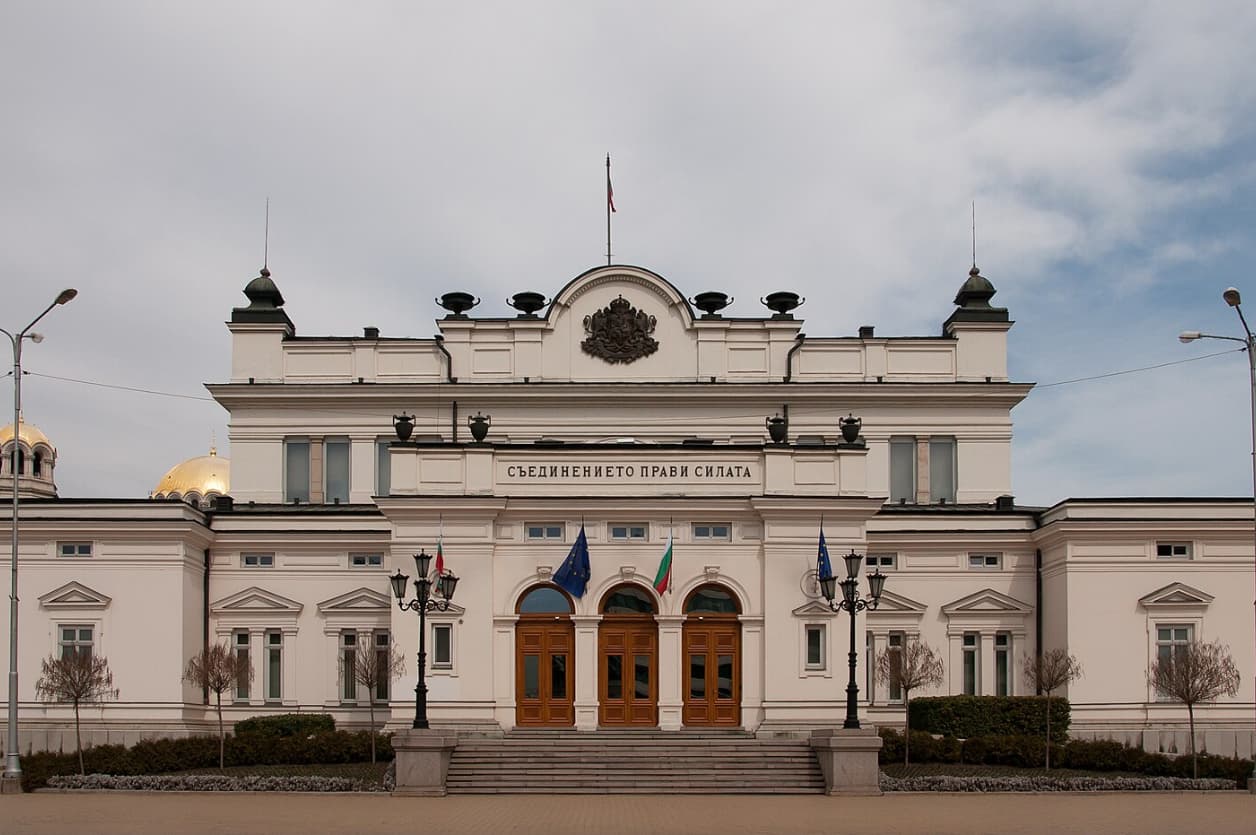
Bulgaria Vote Exposes Russia Divide
Intelligence Summary
Iliana Yotova won Bulgaria’s presidential runoff with 57.6 percent of the vote, defeating former caretaker Prime Minister Andrey Gyurov, who received 39.5 percent. Yotova, who became acting president after Rumen Radev resigned the presidency to contest parliamentary elections, will become Bulgaria’s first elected female president. The result gives a decisive electoral outcome to a campaign framed principally around Bulgaria’s approach to Russia’s war against Ukraine and relations with Moscow.
Yotova campaigned against military aid to Ukraine and in favor of negotiations with Russia, presenting herself as a supporter of peace. She was backed by Prime Minister Radev and his ruling Progressive Bulgaria party, which holds an absolute parliamentary majority. Gyurov, supported by pro-Western and reformist parties, advocated a firm position toward Russia, support for Ukraine, and a reliable Bulgarian role in NATO. During his caretaker premiership, Gyurov signed a security-cooperation agreement with Kyiv, a decision opposed by both Yotova and Radev.
The campaign exposed a divided electorate rather than an unqualified consensus on foreign policy. Yotova’s initial lead narrowed sharply in the first round, when she won 34.8 percent to Gyurov’s 31.95 percent, before expanding in the runoff. According to electoral analyst Dimitar Ganev, Gyurov performed better among voters aged 18 to 40 and in Sofia, while Yotova was stronger among older voters and outside the capital. Turnout was low, with less than 30 percent participating in the runoff; the first round drew 23 percent. Around 70 percent of voters for the nationalist Vazrazhdane party reportedly backed Yotova in the second round.
The vote occurred amid a deteriorating Black Sea security environment. Several merchant ships were struck by drones off Bulgaria’s coast during October, with 21 people reported missing. Bulgaria sought allied assistance to strengthen maritime security. Although European institutions criticized Russia for the escalation, Bulgaria’s government said there was no conclusive evidence directly linking Moscow to the attacks. Yotova and Radev called for a negotiated end to the Ukraine war but did not explicitly assign Russia responsibility for the incidents.

Why It Matters
Yotova’s victory strengthens the domestic political position of Bulgaria’s leaders who favor diplomatic engagement with Moscow and oppose further military support for Ukraine. It does not by itself determine national policy. The presidency is largely ceremonial, and parliament retains authority over sending troops abroad and declaring war. Yet the alignment between Yotova and Prime Minister Radev, whose party holds a parliamentary majority, could give this posture greater political coherence across Bulgaria’s senior leadership.
The result is more likely to alter Bulgaria’s political signaling within the EU and NATO than to produce an immediate break with either institution. Yotova continues to support Bulgarian membership in both organizations, while polling cited by Ganev indicates that over two-thirds of Bulgarians do not challenge the country’s geopolitical orientation and hold favorable views of the EU. Her mandate appears to favor a more cautious Bulgarian line on Ukraine and Russia within existing Western frameworks, rather than a clear institutional realignment.
The election also gives greater salience to competing interpretations of Black Sea security. Gyurov treated Russian aggression as the central issue and argued that Bulgaria should adopt a firmer diplomatic posture. Yotova and Radev emphasized negotiations while avoiding direct attribution for the drone incidents. Because responsibility for the maritime attacks remains unconfirmed by Bulgaria’s government, this distinction affects how Sofia may balance calls for stronger allied security assistance against concerns that sharper rhetoric or military measures could deepen regional confrontation.
Low participation and the geographic and generational split limit the extent to which the vote can be read as a settled national mandate on Russia policy. Yotova’s runoff coalition included substantial backing from nationalist, pro-Russian voters, while Gyurov retained support in Sofia and among younger voters. This suggests that continued Black Sea incidents, any debate over military assistance to Ukraine, or friction with EU partners could sustain domestic polarization. The most consequential indicators will be whether Bulgaria’s government changes its stance on assistance to Ukraine, how it responds to requests for maritime-security cooperation, and whether Yotova’s conciliatory rhetoric toward Moscow gains wider acceptance within Bulgaria’s EU and NATO commitments.
Stay Informed. Stay Ahead.