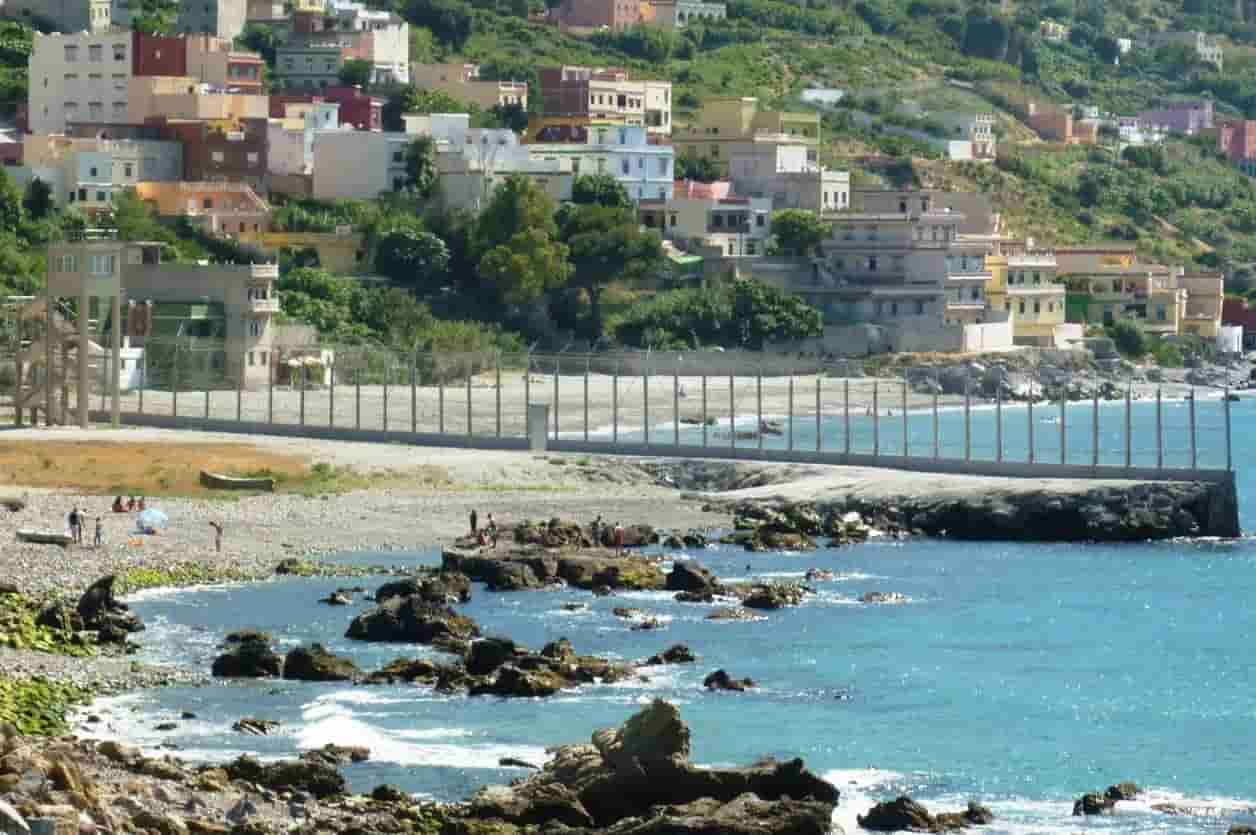
Ceuta, Spain's North African enclave and one of the European Union's two land borders with Africa, received an estimated 50,000 to 60,000 migrants from Morocco between Wednesday and Friday. Many swarmed around the border fence or passed through it, using wetsuits or inflatables in some cases. Spanish authorities confirmed at least 72 deaths after five bodies were recovered on Sunday, while officials expected the toll to rise. The deaths included drownings and people crushed at the breakwater and border fence. More than 1,000 people received health treatment. Spanish officials said more than 48,000 arrivals had returned to Morocco within 48 hours.
An estimated 3,000 to 5,000 migrants remained in Ceuta after the initial surge, including more than 800 unaccompanied minors. The city's migrant center, built for 600 people, was full, leaving many people outside or in informal shelters. Spanish law requires unaccompanied children identified by police to receive immediate protection from child welfare services. Adult migrants may seek asylum, but humanitarian protection is generally difficult for Moroccan nationals to obtain, and rejected applicants face expulsion procedures. Several surviving children were separated from family members or reportedly witnessed deaths during the crossing.
The scale and visibility of the crossings produced an immediate European political response. Twenty-two EU member states called for coordinated action and stronger external borders, prompting an emergency video meeting of interior ministers. European Commission President Ursula von der Leyen told Spanish Prime Minister Pedro Sanchez that external-border protection was a collective European responsibility. She proposed possible additional technical and financial support for Morocco, including enhanced border management and early-warning systems. Italy and France introduced temporary controls connected to Spain, while some governments and political figures sought stronger EU border enforcement powers. Spain criticized what it considered an insufficiently cooperative response.
The immediate cause of the surge remains contested. Morocco's Interior Ministry attributed it to online misinformation, trafficking networks, and misunderstanding of a Spanish court ruling concerning migrants intercepted at sea. Spanish officials similarly blamed smuggling networks and misleading claims about the ruling, while saying they had received no intelligence warning of a mass entry. Some observers argued that Moroccan security forces may have allowed migrants to reach the crossing points, potentially to pressure Spain, but this allegation remained unconfirmed. A migration analyst cited widespread false online claims that Spain had opened its borders and assessed that the event did not reflect a structural change in migration pressures. Others have claimed that outside forces participated in creating this crisis as a way to punish Spain, and this influenced the massive influx of migrants; however, these claims remain unverified and unsubstantiated as well.