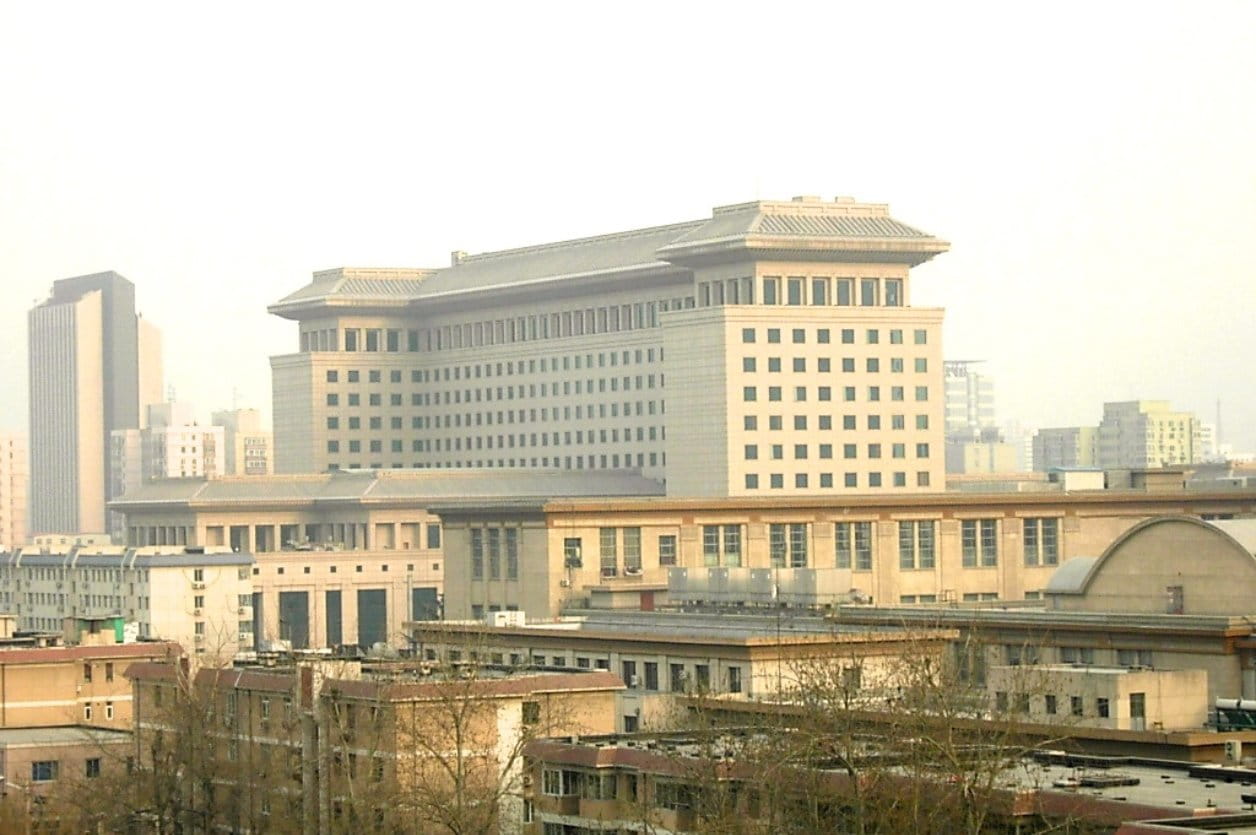
China’s leadership has initiated one of the most sweeping military purges in decades, removing its highest-ranking general, Zhang Youxia, and another senior officer, Liu Zhenli, from their posts and placing them under investigation for “serious violations of discipline and law.”. Zhang served as vice-chairman of the Central Military Commission (CMC), the Communist Party’s top military body chaired by President Xi Jinping, and was widely regarded as Xi’s closest ally within the armed forces. The CMC, which typically includes around seven members, has now been reduced to only two: Xi himself and General Zhang Shengmin, following successive waves of anti-corruption detentions.
The Ministry of Defense confirmed the investigation on Saturday, stating that both Zhang and Liu were suspected of serious disciplinary and legal violations. The official announcement did not specify the charges, but the PLA Daily, the military’s official newspaper, emphasized that corruption would be punished “without leniency,” regardless of rank. The editorial accused the generals of betraying the trust of the Communist Party’s Central Committee and undermining the authority of the CMC.
Unofficial reports and Western media speculation have suggested that Zhang may have leaked information related to China’s nuclear weapons program to the United States and accepted large bribes in exchange for promotions within the military hierarchy. These allegations, which have not been confirmed by Beijing, reportedly stem from a closed-door briefing cited by individuals familiar with the matter. The same report claimed that Zhang was accused of forming political cliques within the CMC and abusing his authority over the procurement and research divisions responsible for military hardware development.
The purge follows a broader anti-corruption campaign that has intensified since Xi began his third presidential term in 2023. Over the past three years, two vice chairmen, three CMC members, a defense minister, and more than a dozen generals have been dismissed. Xi has repeatedly stated that corruption undermines party discipline and national development, warning that there must be “no place to hide” for corrupt officials.
Western analysts have described the current situation as unprecedented, with the PLA’s senior leadership in disarray and a major leadership void emerging at the top of China’s military command. The removal of Zhang, one of the few senior officers with combat experience, has raised concerns about the PLA’s operational readiness and decision-making capacity.
Observers have also noted that the purges appear to be politically motivated as much as disciplinary. Party publications accused Zhang and Liu of undermining the “ultimate responsibility” of the CMC chairman and threatening the Party’s absolute control over the armed forces. These charges mirror those used in previous purges, such as the removal of former CMC Vice Chair He Weidong.
The speed of the detentions and the public framing of the charges have shocked many within China’s political and military elite. Analysts argue that the campaign has eroded traditional assumptions of safety among senior officials, including the belief that high rank, personal loyalty, or family ties to the leadership could offer protection. Zhang’s father was a revolutionary comrade of Xi’s father, and the two families were long considered close, making the purge particularly symbolic.
The PLA Daily’s coverage and the pace of arrests have created a climate of uncertainty within the military. Officers are reportedly reluctant to accept promotions, fearing that visibility could make them targets of future investigations. Western analysts are claiming that this environment could weaken China’s military modernization efforts and slow decision-making at a time of heightened regional tensions. Chinese analysts disagree with this perspective.