
Egypt Backs Saudi Arabia After Deadly Houthi Strike

Oct 20 / Steven A. Smith, PhD
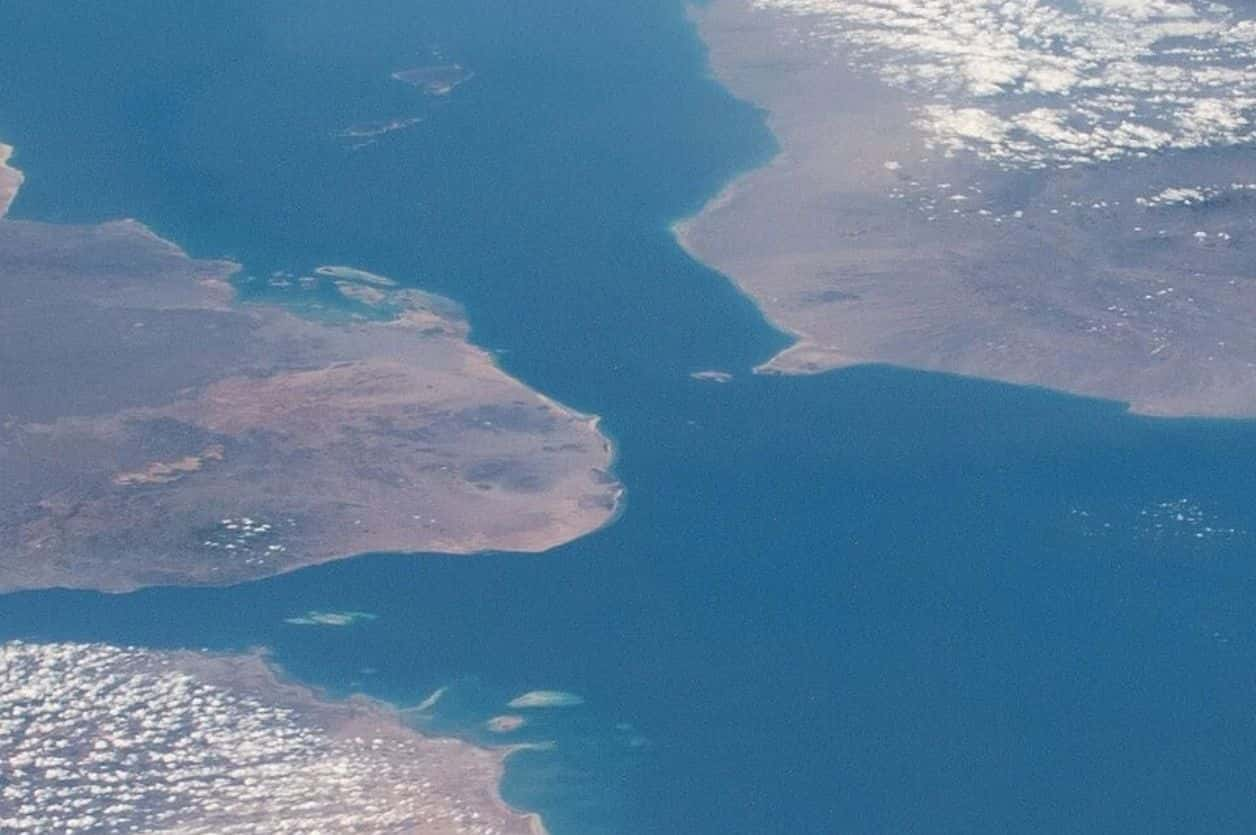
Bab-el-Mandeb, taken from outer space during ISS Expedition 62, February 23, 2020
Image credit: Earth Science and Remote Sensing Unit, NASA Johnson Space Center

Intelligence Summary

Ansarallah forces struck the al-Alam, or Martyr Ahmed al-Sulaimani, training camp in Yemen's southern Shabwa province on October 19, killing at least 50 government security recruits and wounding roughly 200. Provincial authorities later put the death toll at 53. The recruits were reportedly assembling for training for a new Rapid Intervention force when three ballistic missiles hit the site. Shabwa's hospitals were overwhelmed, requiring transfers of critically injured personnel to Hadramout and Aden. The Houthis acknowledged targeting the camp, describing it as a gathering of Saudi forces managed by Saudi officers. Yemen's government rejected that characterization and described the facility as an internal-security training center.


The attack was among the deadliest incidents in Yemen's recent escalation and occurred as Saudi-backed government forces pursued offensives on several fronts following Houthi gains along Yemen's Red Sea coast. Yemen's Presidential Leadership Council promised a firm response. The strike also followed attacks over the preceding weekend in Houthi-held areas that killed more than 30 people, which the Houthis attributed to Saudi-led forces.


The Shabwa strike forms part of a wider breakdown in the four-year informal ceasefire. Since July, the Houthis have declared a maritime embargo against Saudi Arabia and launched missile and drone attacks against Saudi airports, oil facilities, and Red Sea tankers. Saudi authorities have reported 19 deaths from Houthi attacks on the kingdom's airports since early October. On October 18, Egypt's National Defence Council stated that Cairo was prepared to provide Saudi Arabia all necessary and possible support to defend its security, territorial integrity, resources, and Islamic holy sites. President Abdel Fattah el-Sisi also sought parliamentary authorization to approve Saudi requests for defense assistance, while saying Egypt would pursue de-escalation diplomatically.


The Gulf Cooperation Council separately condemned the Ansarallah attacks, invoked its joint defense agreement, and reaffirmed Saudi Arabia's right to defend itself. The Saudi-led coalition reported intercepting drones near Riyadh and in the Eastern Province. Gulf ministers called for stricter enforcement of the UN arms embargo against the Houthis and for governments to designate the group a terrorist organization.

Why It Matters

The Shabwa attack raises the immediate military and political cost of the renewed Yemeni conflict for the Saudi-backed government. The casualties were concentrated among recruits for a local rapid-response force, potentially reducing the government's near-term ability to reinforce threatened areas while creating pressure for a visible response. The Houthis' acknowledgment of the operation, coupled with their assertion that the camp was Saudi-run, signals that Saudi-associated military activity inside Yemen remains vulnerable to ballistic-missile attack. Whether the site was principally an internal-security center or a Saudi military installation remains disputed, but the strike itself demonstrates the reach and lethality of the Houthi campaign.


Egypt's public commitment changes the regional context more than the immediate battlefield balance. Cairo has not announced a specific deployment, operational role, or approved Saudi request for assistance. Its statement nevertheless aligns Egypt openly with Saudi defense at a time when the conflict has expanded beyond Yemen into attacks on Saudi territory and threats to Red Sea shipping. This gives Riyadh additional diplomatic support and may strengthen its ability to frame Houthi attacks as a regional security challenge rather than just a Yemeni civil-war development. The practical significance will depend on what support, if any, Saudi Arabia requests and Egypt authorizes.


Egypt has a direct economic and security interest in the maritime dimension of the escalation. Egyptian officials have linked Saudi and Gulf security to Egypt's national security, while Cairo previously backed calls for unhindered Red Sea navigation. Analysts cited by Egyptian reporting assess that disruption to Red Sea traffic threatens Suez Canal revenue and increases Egypt's incentive to oppose any Iranian or Houthi influence over maritime routes. The result is a convergence of Saudi territorial-defense concerns and Egypt's interest in preserving commercial navigation, even if Cairo remains cautious about direct military involvement in Yemen.


The GCC statement adds collective political pressure on Ansarallah but does not establish a defined joint military response. Its value is chiefly deterrent and diplomatic for now. It signals that continued attacks on Saudi infrastructure or airspace could produce a wider Gulf response, while supporting Saudi calls for tougher international action. Conversely, intensified Saudi-led operations and Houthi missile retaliation could deepen civilian and humanitarian strain in Yemen, where displacement, supply disruptions, and pressure on hospitals are already worsening. Key indicators are whether Egypt moves from general support to specific assistance, whether Saudi and allied forces expand operations after Shabwa, and whether Houthi attacks continue against Saudi territory or Red Sea shipping.

Stay Informed. Stay Ahead.

The global landscape changes daily, don't get left behind.
Thank you!