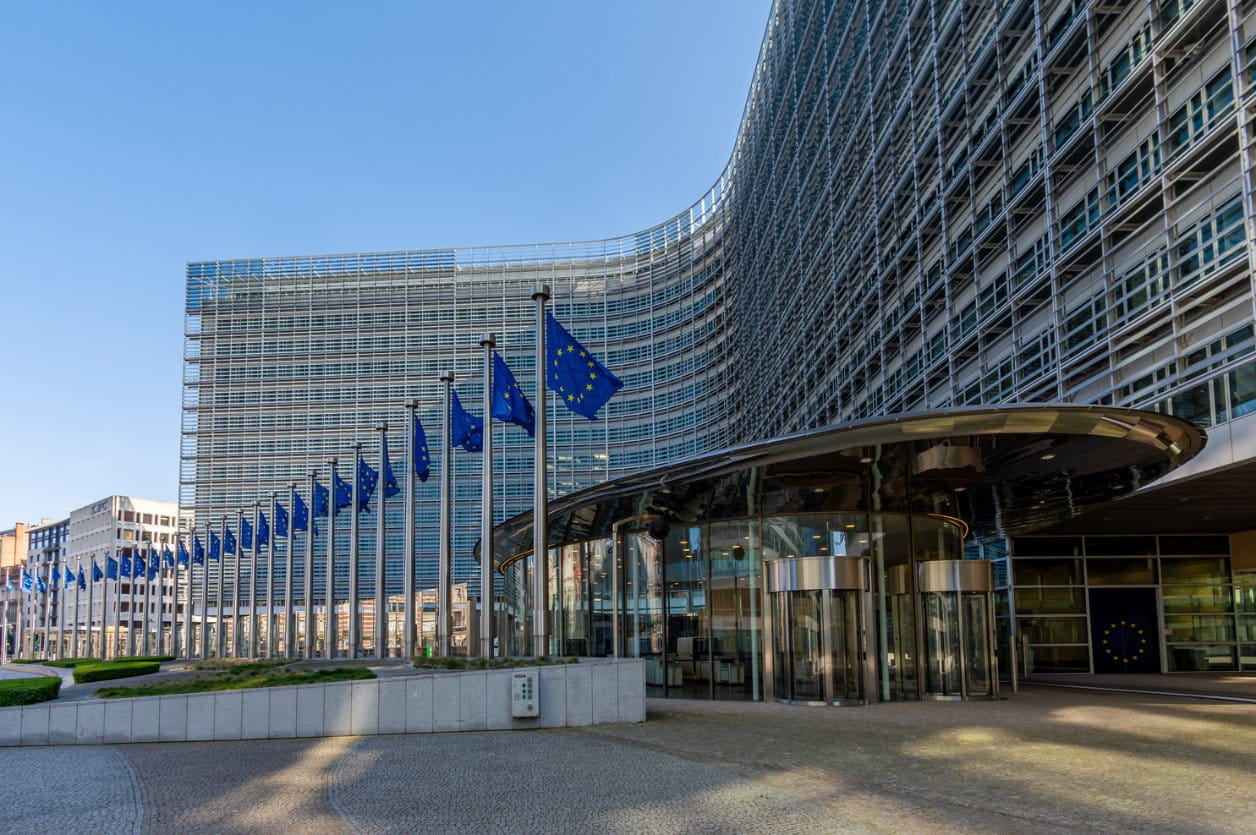
On January 26, 2026, ministers from all 27 European Union member states gave final approval to a regulation that will end all imports of Russian gas into the bloc by late 2027. The measure, which has now passed into law, formalizes the EU’s long-term pledge to sever energy dependence on Moscow following Russia’s full-scale invasion of Ukraine in February 2022. The regulation mandates that imports of Russian liquefied natural gas (LNG) must cease by the end of 2026, while pipeline gas deliveries must stop by September 30, 2027. The deadline can be extended to November 1, 2027, if a member state faces difficulties meeting gas storage requirements before the winter heating season.
The law requires each member state to prepare national plans by March 1, 2026, to diversify gas supplies and identify potential challenges in replacing Russian energy sources. It also includes a safeguard clause allowing temporary suspension of the ban for up to four weeks if supply security is seriously threatened in one or more EU countries. The regulation was passed using trade and energy law mechanisms that rely on a reinforced majority vote, bypassing the need for unanimity and thereby overcoming opposition from Hungary and Slovakia.
Hungary and Slovakia, both heavily dependent on Russian energy, voted against the measure and announced plans to challenge it at the European Court of Justice. Hungarian Foreign Minister Peter Szijjarto stated that Budapest would use all legal means to annul the ban, arguing that it violates national interests and will raise household energy costs. Slovak Foreign Minister Juraj Blanar similarly declared that Bratislava would contest the regulation, citing the lack of affordable alternatives.
Before the Ukraine war, Russia supplied more than 40% of the EU’s gas, but by 2025 that share had fallen to around 13%. Russian pipeline gas was historically 30–50% cheaper than imported LNG, which must be liquefied, shipped, and regasified. The EU’s remaining Russian LNG purchases were valued at approximately €7.2 billion in 2025, nearly €1 billion more than in 2024, according to Russian estimates.
The new regulation imposes strict verification requirements for gas origin and heavy penalties for violations. Individuals can face fines of €2.5 million, while companies may be fined €40 million or up to 3.5% of global annual turnover, or 300% of the transaction’s estimated value.
The EU’s shift away from Russian gas has increased reliance on U.S.-sourced LNG and other suppliers. The Institute for Energy Economics and Financial Analysis estimated that the United States could provide up to 80% of the bloc’s LNG imports by 2030, supported by a trade deal committing the EU to purchase $750 billion in U.S. energy products by 2028. However, LNG is more expensive and subject to volatile spot prices. As of January 2026, European gas prices had risen about 40% since the start of the year, with storage sites only 45% full compared to a long-term average of 60%.
Industrial gas and electricity prices in the EU remain two to four times higher than in key trading partner countries, raising concerns about competitiveness and triggering industrial shutdowns, particularly in Germany. The German economy, which relied on Russia for 55% of its natural gas before the war, contracted in 2023 and 2024, with high energy costs cited as a major factor.
Moscow condemned the EU’s decision, with Russian Foreign Ministry spokeswoman Maria Zakharova stating that the bloc had surrendered its energy independence and replaced one dependency with another. Russian officials emphasized that the EU’s move would deepen its reliance on U.S. LNG and harm its own economy. Meanwhile, some European leaders, including German Chancellor Friedrich Merz, Italian Prime Minister Giorgia Meloni, and French President Emmanuel Macron, have recently suggested reopening dialogue with Russia, signaling internal divisions within the bloc over long-term strategy.