Iran-US Truce Expires Amid Hormuz Dispute
Intelligence Summary
The Iran-United States Memorandum of Understanding expired on August 17 without an extension or a return to formal negotiations. Signed on June 17 after Pakistan-mediated talks, the 14-point agreement was intended to terminate military operations, begin a 60-day negotiating period, reopen the Strait of Hormuz, and establish terms for sanctions relief, reconstruction assistance, and nuclear talks. Full-scale fighting is currently subdued, but the agreement had effectively collapsed within days as both sides resumed strikes and accused the other of violating its terms.
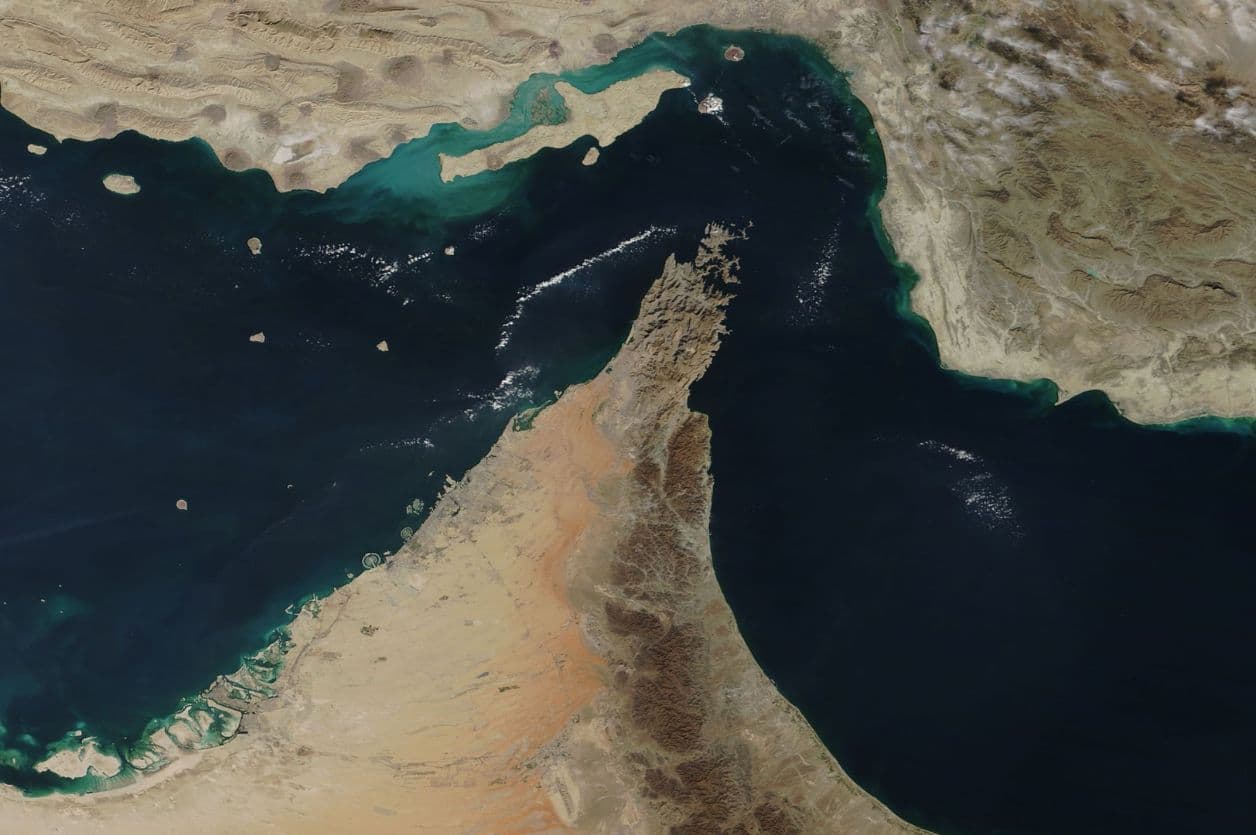
The central dispute concerns authority over commercial shipping in the Strait of Hormuz. The MoU committed Iran to facilitate safe passage, but its language left unresolved which state could authorize transit routes and how maritime administration would be shared. Oman issued a US-backed route near its coast, while Iran required ships to use a route closer to Iranian territory. After the Singapore-flagged Ever Lovely was struck while using the Omani route on June 25, Washington blamed Iran. Tehran did not claim responsibility but did not deny it. US Central Command subsequently struck Iranian coastal missile, drone, and radar sites on June 27, and Iran said it retaliated against US military installations in the region.
The expiration has been accompanied by more confrontational public messaging rather than renewed diplomacy. President Donald Trump called on Iran to surrender and asserted that Washington had opened a direct channel to the Islamic Revolutionary Guard Corps. The IRGC denied that such talks were occurring. Trump also threatened military action against Oman if it obstructed US efforts concerning Hormuz. Iranian officials, meanwhile, said they were nearing an arrangement with Oman on shipping and maritime administration, though Tehran said legal, technical, and political complications had delayed an agreement.
Iranian officials have signaled that a future US attack could produce broader retaliation. IRGC political bureau chief Yadollah Javani said Iran's posture could shift from defensive to offensive action, while other IRGC officials identified US and regional allied energy, power, and internet-connected systems as possible targets if Iran's civilian infrastructure is hit. Iranian military and political figures have discussed contingencies involving US forces in Bahrain and Kuwait, although no operational plan has been confirmed. Tehran has reinforced positions around islands, coastal areas, and oil infrastructure near Hormuz. Iranian officials have also alleged that prior US strikes were intended to prepare for an eventual ground operation, but there is no indication that Washington is preparing one.

Why it Matters
The MoU's failure removes the only recent framework that linked de-escalation, shipping access, sanctions relief, and nuclear negotiations. Its collapse was not simply the result of a missed deadline. The agreement contained incompatible interpretations of control over Hormuz, and the scale and funding of Iran's prospective reconstruction. This leaves both governments with little shared diplomatic language for restarting talks. A new arrangement would likely require much more precise provisions on shipping routes, maritime authority, verification, military redeployments, and the sequencing of sanctions relief.
Hormuz remains the immediate escalation point because maritime administration has become inseparable from the wider war. Iran retains leverage by conditioning full reopening on US implementation of what it regards as MoU commitments, while Washington seeks safe passage without accepting Iranian control over transit. The dispute creates continuing risk for commercial shipping because vessels could face conflicting instructions or become targets amid competing claims of authority. An Iranian-Omani navigation arrangement could reduce this risk if it produces mutually recognized procedures, but Trump's threat toward Oman may complicate Muscat's ability to act as a credible intermediary acceptable to both sides.
Iran's signaling is designed to raise the prospective cost of further US attacks without establishing that Tehran intends an immediate offensive campaign. The focus on US installations, regional infrastructure, coastal defenses, and potential ground landings suggests that Tehran is preparing to deter attacks across several domains rather than rely only on direct exchanges with US forces. It also increases the danger that a strike on Iranian civilian or coastal infrastructure could trigger retaliation against US personnel or critical regional assets. The most consequential uncertainty is whether Iranian leaders see limited retaliation as sufficient deterrence or whether they would expand attacks in ways that compel a broader US response.
Near-term stabilization is most plausible if Oman, Iran, and the United States can establish a workable interim shipping arrangement without requiring either Washington or Tehran to concede its core position on sovereignty. Renewed escalation is more likely if another commercial vessel is struck, if US forces again attack Iranian coastal facilities, or if Iran targets US personnel or partner infrastructure. The most useful indicators are whether Iran and Oman announce operational transit rules, whether Washington accepts or contests those rules, and whether direct or Pakistan-mediated contacts resume.
Stay Informed. Stay Ahead.