
Ceasefires Strained by Ongoing Israeli Military Activity
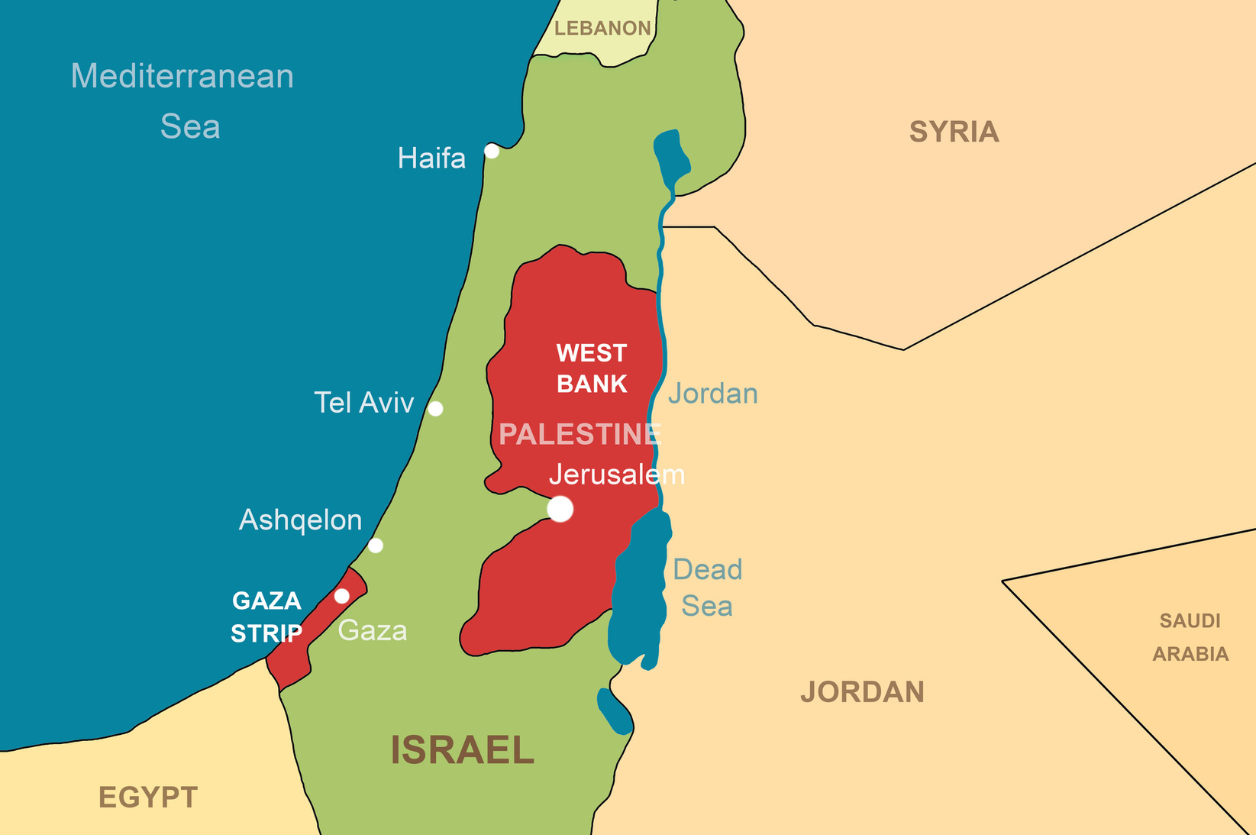
Photo credit: iStockPhoto.com/scaliger
Intelligence Summary
Despite declared ceasefires, recent incidents across Gaza, the West Bank, and southern Lebanon reflected a pattern of continued Israeli military activity, settlement expansion, and international legal challenges. In Gaza, satellite imagery confirmed that Israeli forces continued demolishing civilian structures in areas under their control after the October ceasefire agreement went into effect. The demolitions occurred between November 5 and December 13, primarily in Gaza City’s Shujayea and Tuffah neighborhoods, as well as in Rafah and also included agricultural facilities near Deir el-Balah. Legal experts noted that such destruction of civilian property under a ceasefire could violate the Fourth Geneva Convention, which only permits destruction when absolutely necessary for military operations. Analysts also identified the creation of a new Israeli military outpost in Tal al-Za’atar, bringing the total number of active Israeli positions inside Gaza to 40.
Gaza’s Health Ministry reported that 391 Palestinians have been killed and 1,063 wounded since the ceasefire began, while total fatalities since October 2023 reached 70,663, with 171,139 injured. The enclave’s infrastructure remains devastated, with 282,000 housing units destroyed, 93 percent of schools damaged, and 63 percent of hospitals out of service. Humanitarian conditions have worsened as winter storms caused further building collapses and flooding in displacement camps. Gaza authorities estimate that 9,000 bodies remain buried under rubble, and Civil Defence teams requested 40 excavators and bulldozers to recover them. Israel’s continued ban on heavy machinery entering the strip, which reporters claim is a violation of the ceasefire, has slowed progress. The United Nations Relief and Works Agency (UNRWA) warned that hundreds of thousands of displaced people lacked adequate shelter, emphasizing that a minimum of 300,000 new tents are urgently needed.
Despite the ceasefire, Israeli airstrikes have continued. On December 13, an Israeli missile strike in Gaza City killed Raed Saad, a senior Hamas commander responsible for the group’s military manufacturing unit, along with three associates and wounded at least 25 others. Hamas accused Israel of violating the ceasefire and called on the United States, as guarantor of the agreement, to enforce compliance. U.S. officials were reportedly not informed in advance of the strike.
In the occupied West Bank, Israeli authorities issued approval for the formalization of 19 settlement outposts, marking the third such wave in 2025. The move, endorsed by Finance Minister Bezalel Smotrich, was described as part of a strategy to assert de facto sovereignty and prevent the creation of an Aarab state. The United Nations shared reports from the Israeli human rights organisation B'Tselem, which estimates that settler violence had displaced 44 Palestinian communities over two years, killing 34 people, including three children. Reports indicate that the Israeli army maintains nearly 1,000 gates in the West Bank which restrict Palestinian movement, and demolitions and land seizures continue. The UN estimates that Israeli actions have cost Palestinians 69 years of development, reducing GDP to 2010 levels.
In Nur Shams refugee camp near Tulkarem, Israeli forces announced plans to demolish 25 residential buildings affecting 100 family homes. Local reports indicated that the demolitions were part of Operation Iron Wall, launched in January 2025, which had already displaced 32,000 Palestinians and destroyed or damaged 1,500 homes across three camps. Rouhi Fattouh, the head of the Palestinian National Council, described the campaign as ethnic cleansing and forced displacement.
Meanwhile, in southern Lebanon, Israeli airstrikes targeted civilian reconstruction efforts despite a late 2024 ceasefire that ended the invasion. Human Rights Watch reported that Israeli forces repeatedly attacked vehicles and equipment used for rebuilding. In October 2025, one of these attacks resulted in hundreds of millions of dollars in damage. The report classified these actions as war crimes. U.S. influence reportedly restrained Israel from launching a new full-scale war, though attacks persisted.
At the international level, the International Criminal Court (ICC) has rejected one of Israel’s appeals to block investigations into alleged war crimes in Gaza. The ruling upheld arrest warrants issued in November 2024 for Prime Minister Benjamin Netanyahu and former Defense Minister Yoav Gallant. The court determined that its 2021 notification already covered post-October 2023 events, allowing the investigation to proceed. Israel continued to reject the court’s jurisdiction.
Why it Matters
These recent developments reflect the continued interaction of military operations, legal processes, and humanitarian conditions across Gaza, the West Bank, and southern Lebanon. Israeli actions carried out during ceasefire periods, including demolitions, settlement approvals, and the establishment of new military positions, indicate that ceasefires have not produced a full suspension of force or territorial activity. This pattern complicates the credibility of ceasefire agreements and raises questions about how security measures, territorial control, and political objectives are being balanced in the absence of a negotiated settlement.
The assassination of Hamas commander Raed Saad demonstrates the continued use of targeted strikes as a counterterrorism tool despite ceasefire arrangements. The fact that the United States was reportedly not informed in advance may factor into ongoing assessments of coordination between the two allies. Such incidents could affect perceptions of the United States’ role in ceasefire enforcement and its ability to influence operational decisions during periods of de-escalation.
In Lebanon, continued Israeli strikes on reconstruction-related activity highlight the difficulty of separating post-conflict recovery from ongoing military operations. The persistence of these attacks has slowed rebuilding efforts in southern Lebanon. This has sustained instability along the Israel-Lebanon border, keeping escalation risks elevated despite formal ceasefire agreements.
The ICC’s decision to uphold its investigation into alleged Israeli war crimes introduces an additional legal dimension to the conflict. The reaffirmation of arrest warrants for Netanyahu and Gallant represents international judicial persistence against a major military power. While Israel rejects the court’s jurisdiction, the ruling strengthens the legal precedent for extraterritorial accountability. This may influence future diplomatic alignments, particularly among states that referred the case, such as South Africa, Chile, and Mexico.
UN assessments that prolonged restrictions and conflict-related damage have reversed decades of Palestinian development highlight the long-term structural effects of the current trajectory. The scale of infrastructure destruction and displacement increase reliance on international aid while constraining recovery efforts. These conditions contribute to persistent instability and complicate containment strategies.
Collectively, these developments reveal a regional environment where military dominance, legal challenges, and humanitarian deterioration persist simultaneously. Ongoing operations across multiple theaters suggest a pattern of controlled escalation aimed at sustaining deterrence while limiting the risk of full-scale war. However, the cumulative effects of sustained operations, legal scrutiny, and humanitarian strain may increase diplomatic costs over time and narrow the range of viable mediation options for external actors, including the United States.
Key Actors
- Israel
- Hamas
- United States
- United Nations - ICC
- Palestinian Authority
- Human Rights Watch
- Lebanon
Stay Informed. Stay Ahead.