
Israel Hits Qatar, Lebanon, Yemen in Widening War
iStock.com/Leestat
Intelligence Summary
Israel has significantly expanded its military operations across the Middle East, striking targets in multiple countries beyond Gaza and the West Bank. On September 9, 2025, Israel carried out its first known strike in Qatar, targeting Hamas leaders who were meeting in Doha to discuss a U.S.-backed ceasefire proposal. The attack reportedly killed at least five Hamas members, including the son of senior negotiator Khalil al-Hayya, and one Qatari security officer. Hamas confirmed the deaths of lower-ranking members but claimed its senior leaders survived, though no proof was provided.
Hamas vowed to continue fighting despite the Doha strike, accusing Israel of deliberately sabotaging ceasefire negotiations. Hamas spokesperson Fawzi Barhoum said the attack was intended to derail peace talks and reaffirmed demands for Israeli withdrawal from Gaza and reconstruction of the enclave.
The strike in Qatar triggered widespread condemnation. Qatari Prime Minister Sheikh Mohammed bin Abdulrahman Al Thani denounced the attack as state terror and accused Israel of undermining hostage negotiations and regional peace efforts. Saudi Crown Prince Mohammed bin Salman called for an Arab, Islamic, and international response, while UAE President Sheikh Mohammed bin Zayed Al Nahyan described the strike as a violation of international law and traveled to Doha, likely to show solidarity with Qatar. The United Arab Emirates warned that aggression against any Gulf Cooperation Council (GCC) member would be treated as an attack on the collective security of the Gulf.
The United Nations Security Council issued a statement condemning the strike without naming Israel. The statement emphasized de-escalation and expressed solidarity with Qatar’s sovereignty and territorial integrity. At the Security Council, most members criticized Israel, while U.S. Acting Ambassador Dorothy Shea defended Israel’s right to target Hamas but acknowledged the strike did not advance U.S. or Israeli goals.
Israeli Prime Minister Benjamin Netanyahu defended the operation and threatened further strikes if Qatar continued to host Hamas leaders. He stated that countries harboring Hamas must expel or prosecute them or face Israeli action.
Meanwhile, Israel intensified its military campaign in Gaza. Over 39 Palestinians, including children, were killed in Gaza City on September 11, 2025, as Israel prepared a major offensive. Amnesty International condemned Israel’s mass displacement orders, calling them unlawful and inhumane, and warning they amounted to war crimes. An additional 72 Palestinians were killed in a 24-hour period, including seven deaths from malnutrition, bringing the total violent death toll since October 2023 to at least 64,718, with 163,859 wounded. Aid seekers have also been repeatedly killed near distribution sites, with over 2,465 deaths recorded since May 2025.
Israel continued escalation in the West Bank. On September 11, Israeli forces arrested more than 100 Palestinians in Tulkarem and imposed a curfew following an attack that wounded two Israeli soldiers. The raids were part of a broader campaign of arrests, demolitions, and collective punishment, which Amnesty International has described as grave breaches of international law. On the same day, Netanyahu signed off on a major expansion of Jewish settlements in the West Bank, including the controversial E1 project. The Israeli government is considering annexing most of the West Bank while minimizing the Palestinian population.
Israel also expanded its regional strikes. In Yemen, Israeli airstrikes on September 10–11 killed at least 46 people, including 11 women and 5 children, and wounded 165 others. The strikes targeted sites in Sanaa and al-Jawf province, which Israel claimed were Houthi military facilities. The Houthis, however, said civilian sites were hit, including the offices of 2 newspapers. Houthi spokesman Yahya Saree announced retaliatory missile and drone attacks on Israel, including the launch of a hypersonic ballistic missile.
In Lebanon, Israeli strikes on September 11 killed one person in Tyre District and targeted alleged Hezbollah weapons facilities in the Bekaa Valley. Israel claimed the sites were used for manufacturing and storing strategic weapons, though this has not been independently verified.
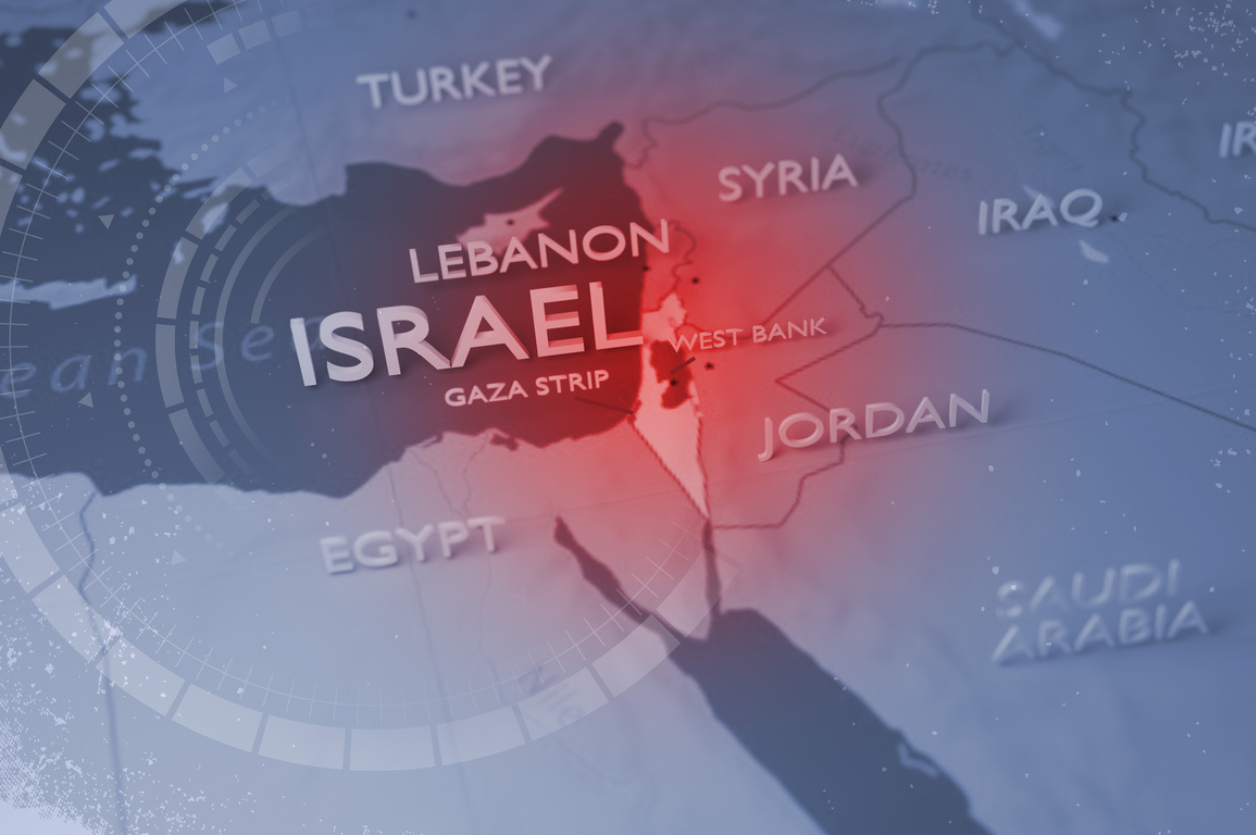
Overall, Israel’s actions have deepened its diplomatic isolation, strained relations with Gulf states, and triggered widespread international condemnation, while simultaneously escalating military operations in Gaza, the West Bank, Lebanon, Yemen, and beyond.
Why it Matters
Israel’s widening military campaign represents a dramatic escalation of the Gaza war into a regional conflict with far-reaching geopolitical consequences. The strike in Qatar is particularly significant because it violated the sovereignty of a U.S. ally that has long served as a mediator in hostage and ceasefire negotiations. By targeting Hamas leaders in Doha, Israel not only risked derailing ongoing talks but also undermined Qatar’s credibility as a neutral broker. This has weakened one of the few remaining diplomatic channels for de-escalation and has forced Gulf states to close ranks in opposition to Israel.
The Gulf response highlights a major shift in regional dynamics. Saudi Arabia, the UAE, and Qatar, which have often been divided, presented a united front against Israel. This unity signals that Israel’s actions are jeopardizing the fragile normalization process initiated under the Abraham Accords. Saudi Arabia has reiterated that normalization is contingent on Palestinian statehood, a condition Netanyahu has categorically rejected. By expanding settlements in the West Bank Israel has continued to foreclose the possibility of a two-state solution, further alienating Arab partners.
The U.S. response illustrates the limits of Washington’s ability to manage its alliance with Israel. While the U.S. expressed dissatisfaction with the Qatar strike, they stopped short of condemning Israel directly. This balancing act reflects the tension between U.S. strategic alliance with Israel and the need to maintain strong ties with Gulf allies who host American bases and stabilize global energy markets. The perception that Washington cannot restrain Israel risks driving Gulf states closer to alternative security partners, including China and Russia, thereby weakening U.S. influence in the region.
Israel’s strikes in Yemen and Lebanon also carry broader implications for regional security. By targeting the Houthis, Israel has inserted itself into a conflict that already involves U.S. and U.K. military operations. The Houthis’ retaliatory launch of a hypersonic missile underscores the risk of escalation into a wider regional war that could threaten Red Sea shipping lanes, a critical chokepoint for global energy flows. Similarly, strikes in Lebanon risk reigniting a full-scale conflict with Hezbollah, which could draw in Iran and destabilize the Levant.
The humanitarian toll in Gaza and the West Bank is compounding Israel’s diplomatic isolation. With over 64,000 Palestinians killed and famine conditions worsening, international organizations and human rights groups are increasingly framing Israel’s actions as violations of international law. Amnesty International’s warnings in combination with the UN Security Council’s condemnation of the Doha strike highlight the growing legal and moral pressure on Israel. This isolation could translate into sanctions, recognition of Palestinian statehood by more countries, and further erosion of Israel’s legitimacy on the world stage.
Domestically, Israel faces the challenge of sustaining a prolonged war. Despite killing thousands of Hamas fighters, Israel has not eliminated the group, which continues to recruit and conduct guerrilla attacks. The persistence of Hamas, combined with mounting Israeli military casualties and international backlash, raises questions about the feasibility of Netanyahu’s promise of total victory. The longer the conflict drags on, the greater the risk of eroding domestic support and fueling political instability within Israel.
In sum, Israel’s regional strikes have further transformed the Gaza war into a multi-front conflict with global implications. Israel’s actions threaten U.S. strategic interests, destabilize Gulf alliances, endanger critical energy chokepoints, and deepen Israel’s diplomatic isolation. The convergence of military escalation, humanitarian catastrophe, and diplomatic fallout underscores the risk of a prolonged and widening regional war.
Key Actors
- Israel
- Hamas
- Qatar
- Saudi Arabia
- United Arab Emirates
- Houthis (Ansar Allah, Yemen)
- United States
- United Nations Security Council