Control of Mekelle gives the federal government an important immediate political and operational advantage. It has displaced the TPLF from Tigray's principal administrative center and can seek to demonstrate restored authority in the region. Yet the TPLF's withdrawal does not establish that its forces have been defeated. Its leadership has framed the move as temporary, and the group previously shifted to guerrilla operations after losing Mekelle during the 2020-2022 war. The principal military question is therefore whether federal forces can hold the city, protect supply and communications links, and limit renewed insurgent activity beyond urban areas.
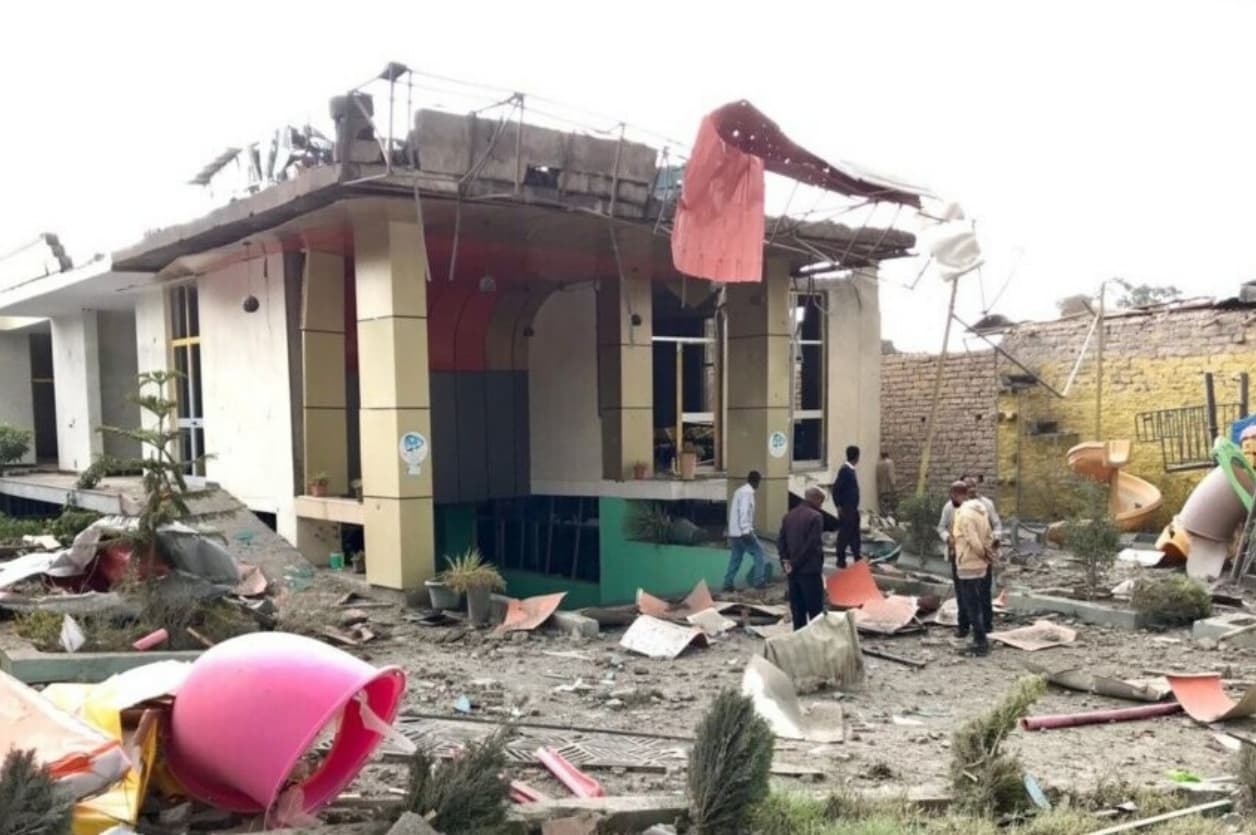
The renewed conflict also places the Pretoria Agreement under greater strain. The accord had ended a war whose humanitarian costs were extraordinarily high, but both sides had accused the other of violating it during the preceding six months. A return to sustained fighting could again disrupt civilian communications, markets, health services, and relief access in a region still recovering from the earlier conflict. Relative calm in Mekelle may reduce immediate urban disorder, but it does not resolve the underlying military contest or the humanitarian risks created by wider fighting across Tigray, Afar, and Amhara.
The regional dimension raises the risk that an internal Ethiopian conflict becomes a wider Horn of Africa confrontation. Ethiopia's accusations against Eritrea, Egypt, and Sudan, combined with the break in Addis Ababa-Asmara diplomatic relations, have narrowed the space for crisis management. The October 5 declaration by Egypt, Eritrea, Somalia, and Sudan did not endorse Ethiopia's allegations and instead emphasized sovereignty, peaceful dispute resolution, Nile-water concerns, and Red Sea issues where their positions diverge from Addis Ababa's. This alignment does not confirm foreign backing for the rebels, but it illustrates Ethiopia's growing diplomatic isolation on several regional disputes.
For policymakers and commercial actors, the most consequential indicators are whether the federal government establishes a functioning administration in Mekelle, whether the TPLF resumes coordinated attacks, and whether humanitarian access improves or deteriorates. A durable federal hold could create an opening for political negotiations, particularly if civilian services normalize. Conversely, protracted irregular fighting or further cross-border accusations would likely increase instability across northern Ethiopia and make regional diplomacy more difficult.