Niger's Failed Mutiny Raises Governmental Stability Questions

Sep 1 / Steven A. Smith, PhD
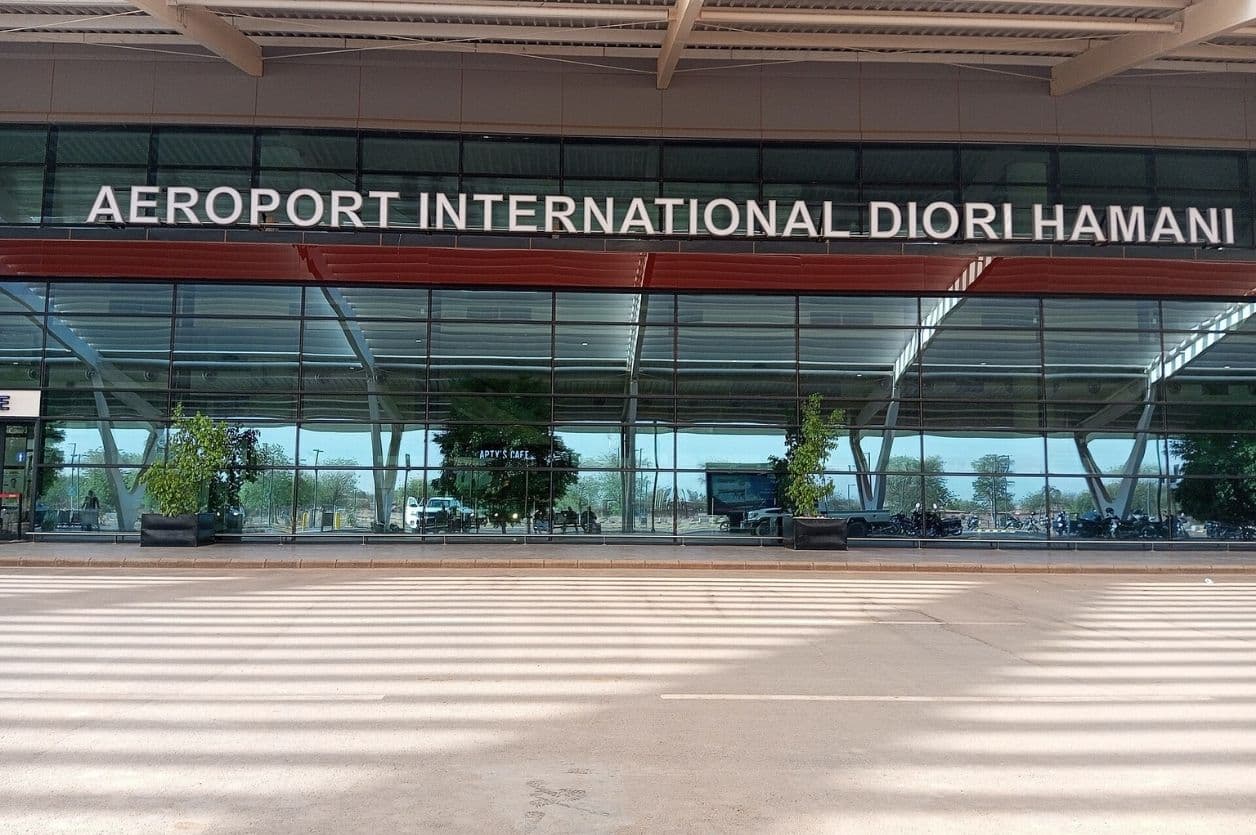
Diori Hamani International Airport, Niamey, Niger, April 2024. Photo credit: Barke11

Intelligence Summary

Niger’s military government says it has contained an attempted mutiny that began on August 29 at Base 101, within Niamey’s Diori Hamani International Airport complex. Renegade soldiers reportedly detained fellow servicemen, opened fire, and targeted sensitive sites in the capital, including areas near the presidential palace and the state broadcaster. The fighting lasted several hours before forces loyal to military ruler Gen. Abdourahamane Tiani regained control of the base. State media showed alleged mutineers being arrested and said dozens were killed or detained, but casualty totals, the number of participants, and the mutiny’s leadership remain unverified.


The Presidential Guard remained loyal to Tiani, according to security sources, helping prevent the mutiny from becoming a broader takeover attempt. State media claimed that hundreds of disaffected soldiers participated, while other accounts could not verify that figure. The alleged participants reportedly included personnel from Ouallam, Tera, and Dosso in southwestern Niger, where units have sustained significant losses against armed groups affiliated with al-Qaeda, the Islamic State, and France. Tiani had not publicly addressed the incident as of August 30, although commercial activity in Niamey had resumed and authorities increased security around the airport and other key sites.


Russian personnel from Africa Corps assisted the government response after Nigerien authorities requested support, according to Russian Ambassador Viktor Voropaev. Africa Corps reportedly provided ground and aerial support to loyalist forces. The Russian Ministry of Defense controls Africa Corps, which assumed much of the Wagner Group’s former African role after Moscow reorganized those operations. Base 101 hosts Nigerien aircraft and drones, the Alliance of Sahel States counterterrorism unit, and Russian personnel. Algeria also offered military assistance, although the extent and operational use of that support remain unclear.


The mutiny occurred amid continued jihadist pressure on Niger’s military. The same airport complex was attacked earlier in 2026 by Islamic State and al-Qaeda affiliates, while an Islamic State affiliate reportedly killed 18 Nigerien soldiers earlier in August. Niger’s military government seized power in July 2023 on the grounds that the elected government had failed to control the insurgency. It subsequently expelled French forces, saw U.S. forces withdraw, strengthened security ties with Russia, and joined Mali and Burkina Faso in the Alliance of Sahel States.

Why It Matters

The failed mutiny is the most serious reported internal challenge to Tiani’s rule since the 2023 coup. The government survived because loyal units, particularly the Presidential Guard, retained control while Russian personnel were available to reinforce the response. Yet the incident exposes a central weakness in military rule: an administration that justified its seizure of power through promises of improved security now faces an insurgency and indications of discontent among troops carrying the burden of fighting it. Continued battlefield losses may increase strain on cohesion, readiness, and command authority within the armed forces.


Africa Corps’ role changes the meaning of Niger’s security partnership with Russia. Russian support had principally been associated with operations against armed groups, but during this crisis it was used to help the government confront an armed challenge originating inside its own military. This gives Moscow a more visible role in regime security and may increase its influence with Niger’s leadership, particularly if Nigerien forces require external assistance during future internal crises. It does not establish Russian control over Niger’s military institutions, nor does it demonstrate that a relatively small foreign contingent can substitute for capable, cohesive national forces.


Base 101’s targeting is operationally significant because the facility combines national military assets, Russian personnel, and the Alliance of Sahel States’ counterterrorism presence. Its repeated exposure to jihadist attacks and now a mutiny indicates that a strategically important hub remains vulnerable to threats from outside and within the security apparatus. Greater protection of Niamey’s critical sites may improve immediate regime security, but it could also divert personnel and attention from frontline operations against armed groups in western Niger. That tradeoff could be consequential if insurgent groups seek to exploit military disruption or redeployments.


For the Alliance of Sahel States, the episode tests the claim that closer regional and Russian security cooperation can provide a more effective alternative to former Western partnerships. Mali and Burkina Faso offered political support, but there is no confirmation that either provided forces. The near-term indicator is whether Niger’s authorities can identify the mutiny’s leadership, address grievances among front-line units, and sustain counterinsurgency operations without further internal fractures. A further mutiny, renewed attacks on Base 101, or expanded reliance on Africa Corps for domestic security would point to a deeper erosion of the government’s autonomy and military cohesion.

Stay Informed. Stay Ahead.

The global landscape changes daily, don't get left behind.
Thank you!