Oil Markets Reset After Hormuz Crisis
Intelligence Summary
OPEC+ members announced a coordinated increase in oil production beginning in August 2026, marking the fifth consecutive monthly rise since early 2026. Seven core producers, including Saudi Arabia, Russia, Iraq, Kuwait, Kazakhstan, Algeria, and Oman agreed to increase collective oil production by 188,000 barrels per day following a virtual meeting on July 5, 2026, to review market conditions. The decision follows the gradual reopening of the Strait of Hormuz after the U.S.-Israel war on Iran, which had previously halted tanker traffic and forced OPEC+ to cut production sharply in 2023 and early 2024.
Before the conflict, OPEC+ output stood at 42.77 million barrels per day in February 2026 but fell to 33.13 million barrels per day by May due to the effective closure of Hormuz. The group’s latest decision continues the phased rollback of a 1.65 million barrel per day cut agreed in 2023. The United Arab Emirates, which left OPEC+ in April 2026 to pursue independent production policy, will not participate in the new quota adjustments. The next OPEC+ meeting is scheduled for August 2, 2026, when members will reassess market conditions and may fully unwind the 2023 cuts if prices remain stable.
Brent crude prices, which had peaked above $120 per barrel during the conflict, have since fallen to around $72 per barrel, returning to pre-war levels. Analysts attributed the decline to the resumption of shipping through Hormuz, a record release of strategic reserves coordinated by the International Energy Agency, and weak Chinese demand. The U.S.-Iran memorandum of understanding signed on June 17, 2026, has allowed limited resumption of maritime traffic, with 38 confirmed transits through Hormuz on July 2 compared to 130 daily crossings before the war.
Market analysts from Citi and Goldman Sachs forecast further price declines as Hormuz traffic normalizes and global supply surges. Citi’s commodities team projected Brent could fall to $60 per barrel by year-end, citing weak Chinese imports and a potential global surplus of 3 million barrels per day in 2027. Goldman Sachs estimated that even with 1 million barrels per day of strategic reserve rebuilding, the market would still face a 2 million barrel per day surplus.
Saudi Arabia responded to the oversupply by cutting its official selling prices for Asian buyers for the first time since 2020. State producer Aramco reduced the price of its Arab Light crude by $11 per barrel to a $1.50 discount over the regional benchmark, the steepest cut in at least 26 years. The move followed a surge in available supply as Gulf producers resumed exports through Hormuz and competition intensified for limited Chinese demand. Traders reported that even with the discount, Aramco’s long-term contract prices remained higher than spot cargoes from other regional producers.
India, the world’s third-largest oil importer, increased its crude imports to a record 5 million barrels per day in June 2026, with 2.6 million barrels per day sourced from Russia under a temporary U.S. waiver. India’s total crude inventories rose to 104 million barrels by the end of June, nearing pre-war levels of 107 million barrels. The country’s strategic petroleum reserve capacity remains limited to 39 million barrels, equivalent to eight days of consumption, leaving it vulnerable to future supply shocks.
Meanwhile, Russia expanded its agricultural exports to Africa, shipping a record 850,000 tons of wheat to Tanzania in the 2025/26 season, a 16% increase from the previous year. Combined shipments to East African Community countries reached 3.5 million tons, accounting for roughly 17% of Russia’s total wheat exports to the continent.
Iran’s ambassador to China, Abdolreza Rahmani Fazli, announced that Tehran plans to impose new service fees on vessels transiting the Strait of Hormuz once the 60-day free transit period under the U.S.-Iran ceasefire expires. Speaking at the World Peace Forum in Beijing on July 4, 2026, Fazli said that “friendly” nations such as China would receive preferential treatment under the new arrangements, which are being developed jointly with Oman. The U.S. has rejected Iran’s right to levy such fees, insisting that any final agreement must guarantee free passage through the strait.
Why it Matters
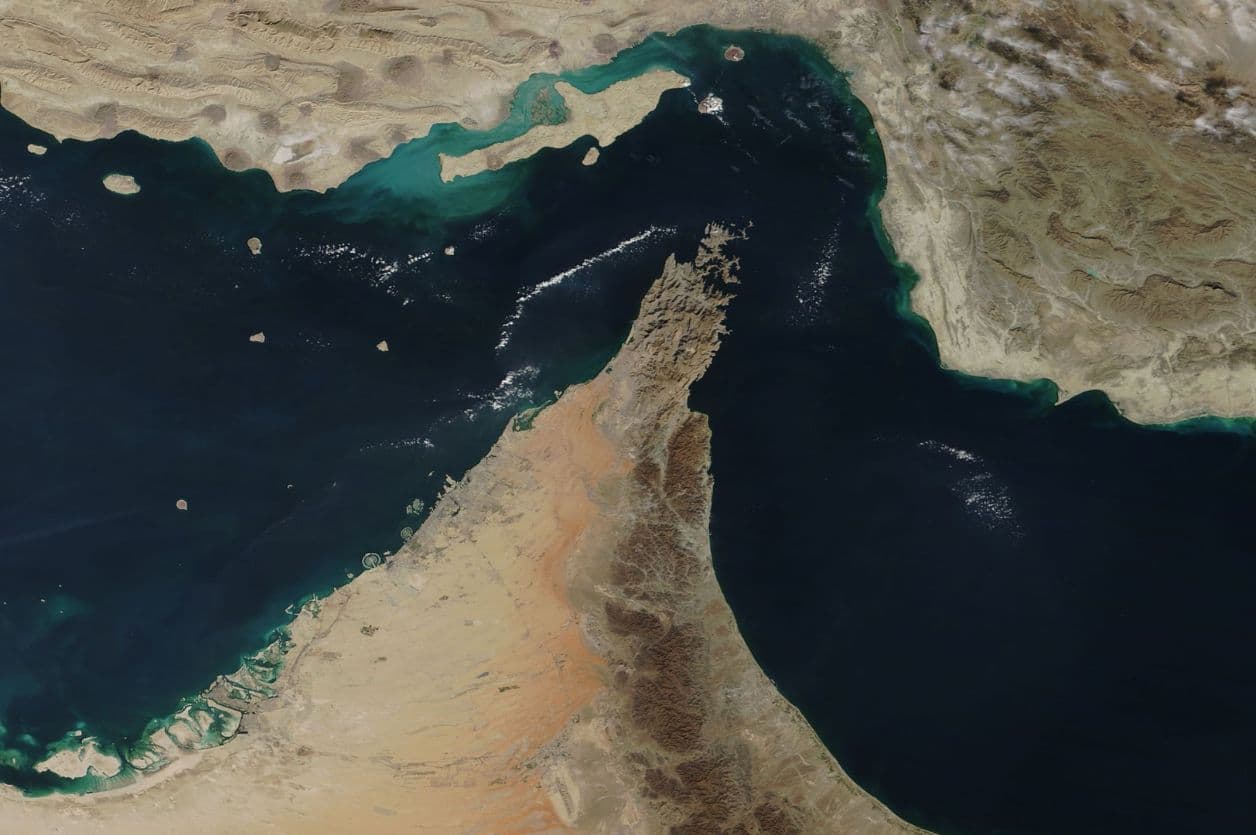
The coordinated OPEC+ production increases and the reopening of the Strait of Hormuz mark a critical inflection point in global energy security. The group’s decision to raise output while prices fall reflects a strategic recalibration from crisis management to market stabilization. The gradual normalization of Hormuz traffic has restored a key artery for global energy flows, but the episode underscores the vulnerability of global supply chains to geopolitical shocks. The Strait of Hormuz carries roughly one-fifth of global oil and liquefied natural gas shipments, and its closure earlier in 2026 demonstrated how quickly regional conflict can trigger global price spikes and force emergency policy responses.
The U.S.-Iran memorandum of understanding has temporarily eased tensions, but Iran’s stated intention to impose service fees on transiting vessels introduces a new layer of uncertainty. Tehran’s proposal to differentiate between “friendly” and “unfriendly” nations in fee structures could institutionalize geopolitical favoritism in one of the world’s most critical maritime chokepoints. This approach risks undermining the principle of freedom of navigation and could provoke renewed confrontation if Washington or its allies perceive the fees as coercive or discriminatory.
Saudi Arabia’s unprecedented price cuts signal both the depth of the current supply glut and the kingdom’s determination to defend market share in Asia. The decision to sell at a discount for the first time since the 2020 price war highlights the competitive pressure created by resurgent exports from Iran, Iraq, and Russia. The move also reflects the impact of collapsing Chinese demand, which has removed a key pillar of global oil consumption. If China’s slowdown proves structural rather than cyclical, producers may face a prolonged period of low prices and intensified competition.
India’s record imports and rising inventories illustrate how major consumers are exploiting the temporary oversupply to strengthen energy security. However, India’s limited strategic reserves expose it to renewed volatility if Hormuz tensions re-escalate. The country’s diversification toward Russian and Venezuelan crude also underscores the shifting trade patterns driven by sanctions and geopolitical realignment.
Russia’s record wheat exports to Africa demonstrate Moscow’s broader strategy to leverage commodity trade for geopolitical influence. By expanding agricultural exports to East Africa, Russia is deepening economic ties with regions less affected by Western sanctions, thereby offsetting losses in traditional markets. This diversification of export destinations mirrors its energy strategy of redirecting oil flows toward Asia and Africa.
The broader pattern emerging from these developments is one of fragmentation and regionalization in global energy governance. OPEC+ remains a central coordinating mechanism, but internal strains, such as the UAE’s departure and Iraq’s push for higher quotas, reflect diverging national priorities. The group’s reliance on ad hoc adjustments rather than long-term strategy suggests that collective discipline may weaken as market conditions stabilize.
At the same time, the interplay between energy markets and diplomacy is intensifying. The U.S.-Iran ceasefire, OPEC+ production management, and Saudi pricing decisions are all interlinked components of a fluid geopolitical environment where energy policy functions as an economic and strategic instrument. The normalization of Hormuz traffic may temporarily stabilize prices, but the underlying drivers—regional conflict, geopolitical rivalry, and shifting demand patterns—ensure that volatility will remain a defining feature of the global energy landscape.
Stay Informed. Stay Ahead.