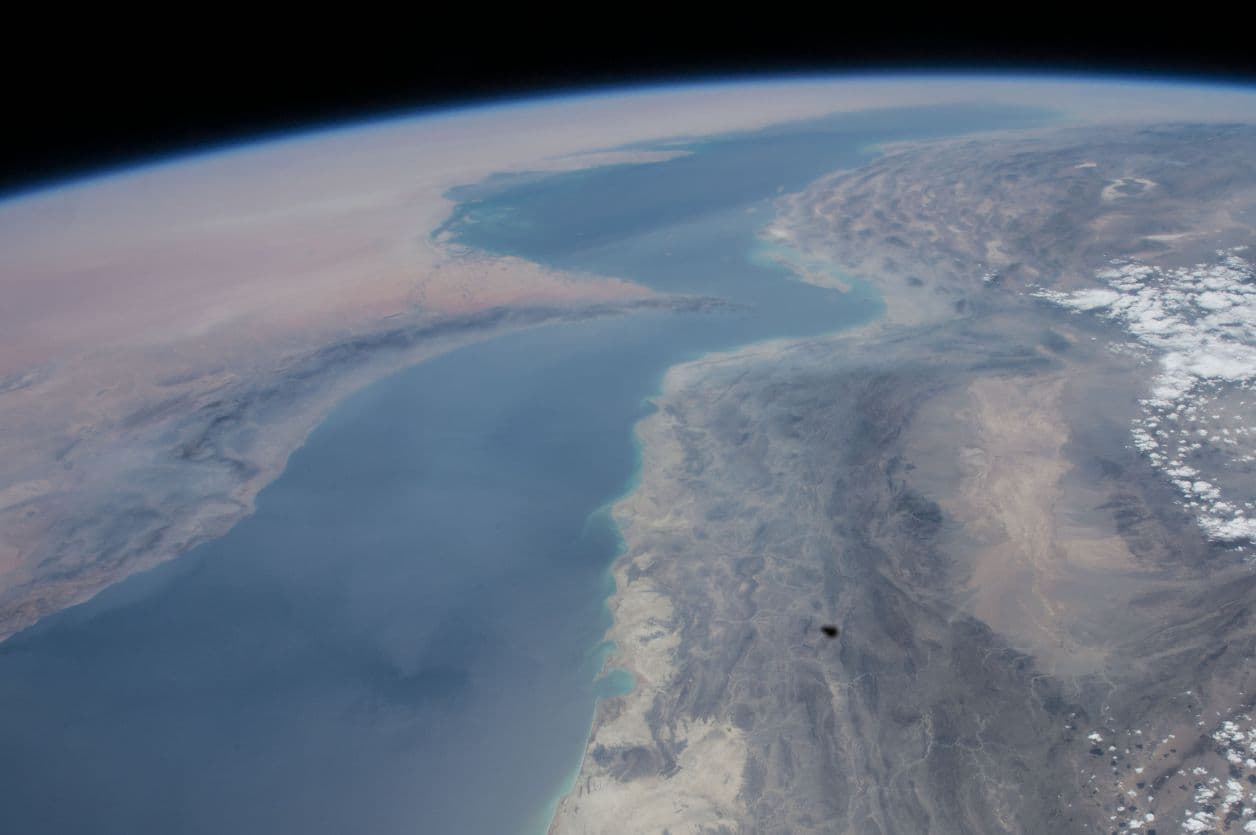
A large-scale war has erupted between the United States, Israel, and Iran, rapidly expanding into a multi-front regional conflict involving numerous Middle Eastern states. The hostilities began on Saturday, March 1, 2026, when coordinated U.S. and Israeli airstrikes targeted Iranian leadership and military infrastructure, killing Supreme Leader Ayatollah Ali Khamenei and hundreds of others. U.S. President Donald Trump stated on March 2 that the campaign, named Operation Epic Fury, was projected to last four to five weeks but could continue longer if necessary. Defense Secretary Pete Hegseth and Joint Chiefs Chairman Gen. Dan Caine confirmed that additional U.S. forces were being deployed to the region, with over 2,000 Iranian targets already struck.
The strikes in Iran hit critical sites including the Islamic Revolutionary Guard Corps (IRGC) headquarters, the military intelligence directorate, the Konarak and Bandar Abbas naval bases, and the Natanz nuclear facility. Civilian infrastructure was also damaged, including the state broadcaster IRIB complex and the UNESCO-listed Golestan Palace in Tehran. The Iranian Red Crescent reported at least 787 deaths, including 165 students and staff killed in a missile strike on a girls’ school in southern Iran.
Iran retaliated with missile and drone attacks on Israel and at least eight other countries, including Bahrain, Kuwait, Oman, Qatar, Saudi Arabia, the United Arab Emirates, Iraq, and Jordan. The IRGC declared the Strait of Hormuz closed and threatened to destroy any vessel attempting passage. Iranian forces struck U.S. bases in Bahrain, Kuwait, Iraq, and the UAE, as well as the U.S. consulate in Erbil and the British base in Cyprus. The UAE reported intercepting 9 ballistic missiles, 6 cruise missiles, and 148 drones, while Qatar’s air force reportedly shot down two Iranian Su-24 aircraft and intercepted multiple missiles.
In Saudi Arabia, a refinery in Ras Tanura was attacked, and the U.S. Embassy in Riyadh was hit by two drones, causing a fire. Kuwait’s air defenses mistakenly shot down three U.S. F-15E fighter jets, and the U.S. Embassy in Kuwait was also struck. The U.S. Central Command confirmed six American service members killed and 18 injured.
Israel simultaneously launched extensive operations against Hezbollah in Lebanon after the group fired rockets and drones at Haifa in retaliation for Khamenei’s killing. Lebanese authorities reported 52 deaths from Israeli strikes on Beirut and southern Lebanon. Israeli Defense Minister Israel Katz ordered the military to act forcefully, and Chief of Staff Lt. Gen. Eyal Zamir announced an offensive campaign against Hezbollah, mobilizing over 100,000 reservists. Lebanese Prime Minister Nawaf Salam condemned Hezbollah’s actions, banned its military activities, and called for international pressure on Israel to halt strikes.
In Israel, Prime Minister Benjamin Netanyahu defended the attacks on Iran’s nuclear sites, asserting that the campaign aimed to prevent Iran from achieving nuclear capability. Israeli air defenses intercepted multiple Iranian missiles and drones, while the IDF struck over 2,500 Iranian military assets and 600 infrastructure facilities.
The conflict has triggered widespread evacuations. The U.S. State Department ordered citizens to leave 14 countries across the Middle East, including Israel, Iran, and the Gulf states. QatarEnergy halted LNG production, and Saudi Arabia and Israel suspended oil and gas operations amid attacks on energy infrastructure.
China condemned the U.S.-Israeli actions as a violation of Iranian sovereignty, while European governments remained divided, with Spain labeling the strikes illegal and Germany urging restraint. The IRGC warned that U.S. and Israeli citizens would no longer be safe anywhere in the world.