
Renewed U.S.-Iran Strikes Reignite Hormuz Escalation

Sep 1 / Steven A. Smith, PhD
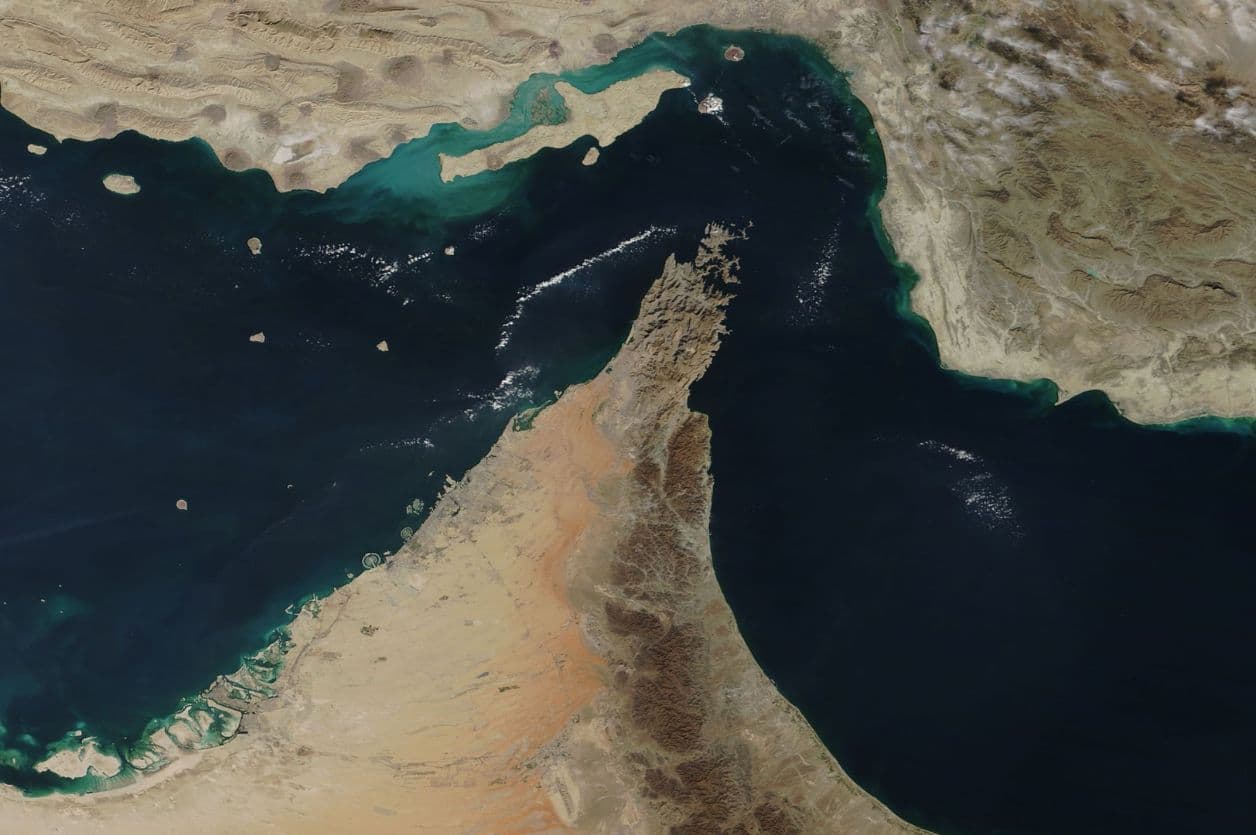
Strait of Hormuz. Photo credit: MODIS Land Rapid Response Team, NASA GSFC

Intelligence Summary

U.S. forces struck two Iranian rocket launchers on Larak Island in the Strait of Hormuz on August 30, the first known U.S. attack on Iranian territory since late July. U.S. Central Command said the action was limited and precise, undertaken after it observed Iranian preparations to launch rockets and deploy sea mines into the waterway. Iran's Islamic Revolutionary Guard Corps, or IRGC, said the strike killed two people and injured two others. The identities of the casualties were not independently established. Larak lies near Bandar Abbas and directly beside the shipping route through the Strait of Hormuz.


Iran responded with missile and drone strikes on the King Hussein and Al Azraq air bases in Jordan, where U.S. air assets are present. The IRGC asserted that the operation damaged technical, maintenance, and fighter-deployment infrastructure. Jordan confirmed that its air defenses intercepted eight missiles entering its airspace but did not attribute them publicly, and no injuries were reported at either base. Iran also said it shot down a U.S. MQ-9 Reaper drone over the Strait of Hormuz.


Tehran portrayed its attacks as legitimate self-defense and said the Jordanian bases had supported the Larak strike. President Masoud Pezeshkian stated that Iran was not seeking a wider war but would respond to aggression. Iran also claimed a drone attack on Al Minhad Air Base in the United Arab Emirates, but the UAE rejected reports of a missile attack on the facility. Abu Dhabi confirmed only that it had responded to a drone approaching from Iran over its territorial waters.


The exchange occurred amid an unresolved contest over access to Hormuz. The strait has been effectively closed since the conflict began in February, according to UK reporting, while U.S. officials have claimed that protected tanker traffic continues to pass through. Iran has maintained that the waterway remains closed and has reportedly required vessels to pass near Larak for checks and pay transit charges. President Donald Trump posted an AI-generated video depicting an apparent attack on Iran's Kharg Island, but U.S. officials said the military had not targeted Kharg and Iranian authorities denied any disruption to oil operations there.

Why It Matters

The strikes restore a direct retaliatory cycle that had been paused since late July. The U.S. action was framed as a preventive effort against rocket launches and mine deployment, while Iran answered by targeting facilities in a third country that hosts U.S. forces. This pattern increases the chance that even limited U.S. operations near Hormuz will generate responses against regional bases rather than remain confined to Iranian territory. Jordan's interception of the missiles prevented reported casualties, but the incident demonstrates that host countries can be drawn into escalation despite claiming that they are not immediate parties to the exchange.


Hormuz is the central strategic stake because military activity there affects both Iranian leverage and global energy flows. About 20 percent of global oil and liquefied natural gas previously transited the strait, and its effective closure has contributed to substantial market volatility. Oil prices rose after the Larak strike, with Brent crude reported near $90 per barrel on August 31. If the threat of mines, missile launches, or drone attacks persists, shipping and insurance risk will remain elevated even if some U.S.-protected traffic continues to move.


The episode also complicates Washington's effort to combine financial coercion with controlled military pressure. The U.S. administration had recently emphasized secondary sanctions against institutions doing business with Tehran, but the Larak operation showed that it retains a willingness to use force around the strait. That combination may increase pressure on Iran, but it also gives Tehran an incentive to demonstrate that sanctions and naval pressure have not deprived it of the capacity to threaten regional bases and maritime traffic. The key question is whether either side can sustain pressure without crossing thresholds that prompt wider attacks on energy infrastructure or Gulf states.


The UAE incident illustrates an important constraint on Iranian retaliation. Tehran's claim that it attacked Al Minhad was not confirmed, while the UAE acknowledged intercepting only one drone and denied that the base had been struck. Such discrepancies matter because claims of damage can serve deterrent and domestic political purposes even when their operational effect is unclear. Indicators of a more serious escalation would include independently confirmed damage at U.S.-hosting bases, further attacks on commercial shipping, verified mine incidents, or a shift from limited strikes on launchers toward attacks on major Iranian energy facilities.

Stay Informed. Stay Ahead.

The global landscape changes daily, don't get left behind.
Thank you!