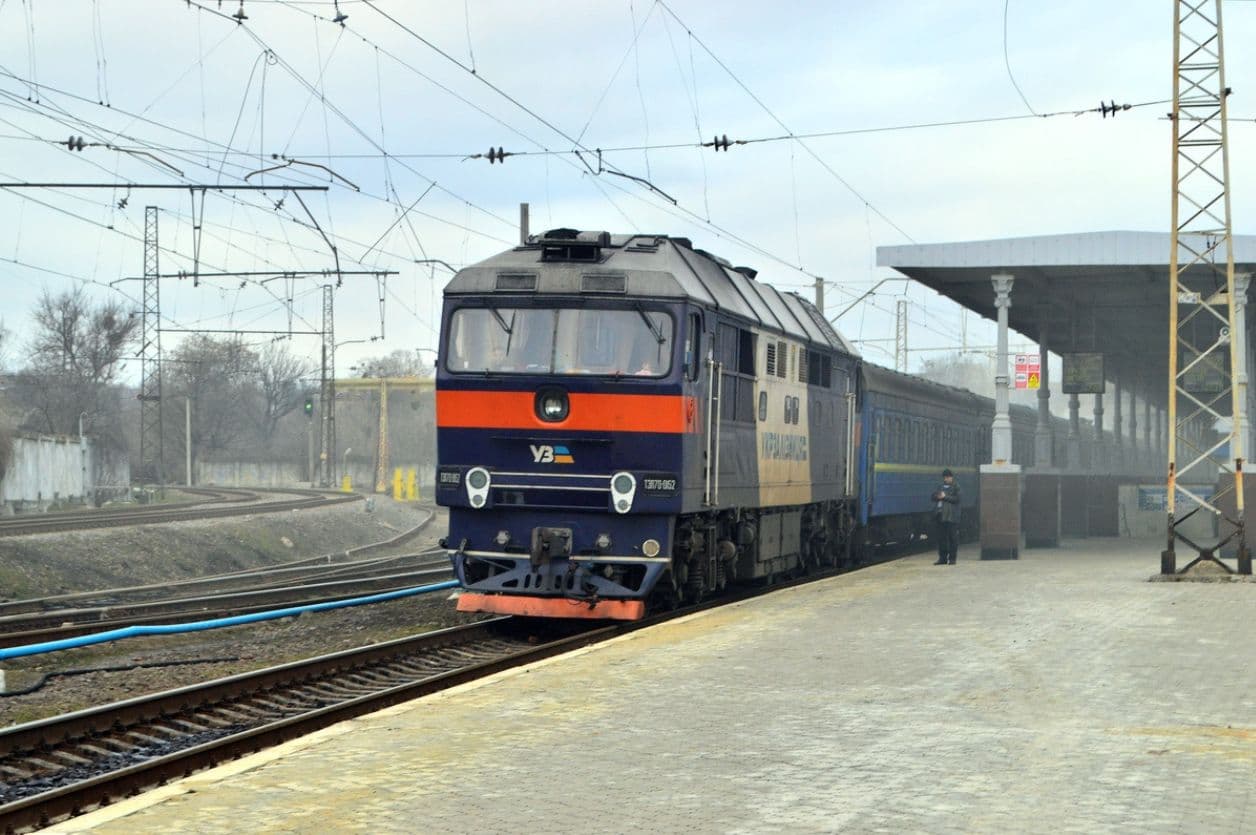
The strike raises the risk of inadvertent or deliberate spillover into NATO territory without demonstrating that Russia has crossed that threshold. The locomotive was hit inside Ukraine, but only 2 kilometers from Poland, and a second strike occurred even closer to the border. This creates a narrow margin for error involving drones, interception debris, navigation failures, or future strikes on adjacent transport infrastructure. Poland’s public warning that attacks on its territory cannot be ruled out reflects a shift toward treating the western Ukrainian border zone as a more immediate national-security concern.
The operational consequence may be greater than the physical damage to one locomotive. The Poland-Ukraine rail corridor supports the movement of military and humanitarian aid. Ukraine’s railway system remains indispensable for civilian and logistical movement. Repeated attacks around rail stations, depots, border crossings, and fuel sites could impose delays, increase protection requirements, and force Ukraine and its partners to devote more resources to securing transport nodes. Russia does not need to close the corridor completely to raise its cost and uncertainty.
The episode also tests the balance NATO and EU governments seek between resolve and escalation control. Rutte, Kallas, and several European leaders argued that the attack should reinforce support for Ukraine and increase pressure on Moscow. German Defense Minister Boris Pistorius, however, cautioned against being drawn into escalation. These positions are not necessarily incompatible. They point toward stronger border defense and continued aid while avoiding steps that could directly widen the conflict. The practical challenge will be maintaining a common response if Russian activity near the border becomes more frequent or produces casualties in Poland.
For Moscow, strikes near a key aid corridor may create political and military pressure even if they do not halt cross-border support. For Poland and NATO, the immediate priority is likely to be reducing vulnerability and demonstrating that proximity to alliance territory will not weaken backing for Kyiv. The most consequential indicators will be whether further attacks concentrate on western Ukrainian rail and border infrastructure, whether Russian drones enter Polish territory, and whether NATO’s announced reinforcement produces visible changes in eastern-border air defense and surveillance. A confirmed strike causing casualties or major disruption in Poland would materially increase the pressure for a coordinated NATO response.