Russia and Ukraine Expand Long-Range Strike Campaigns
Intelligence Summary
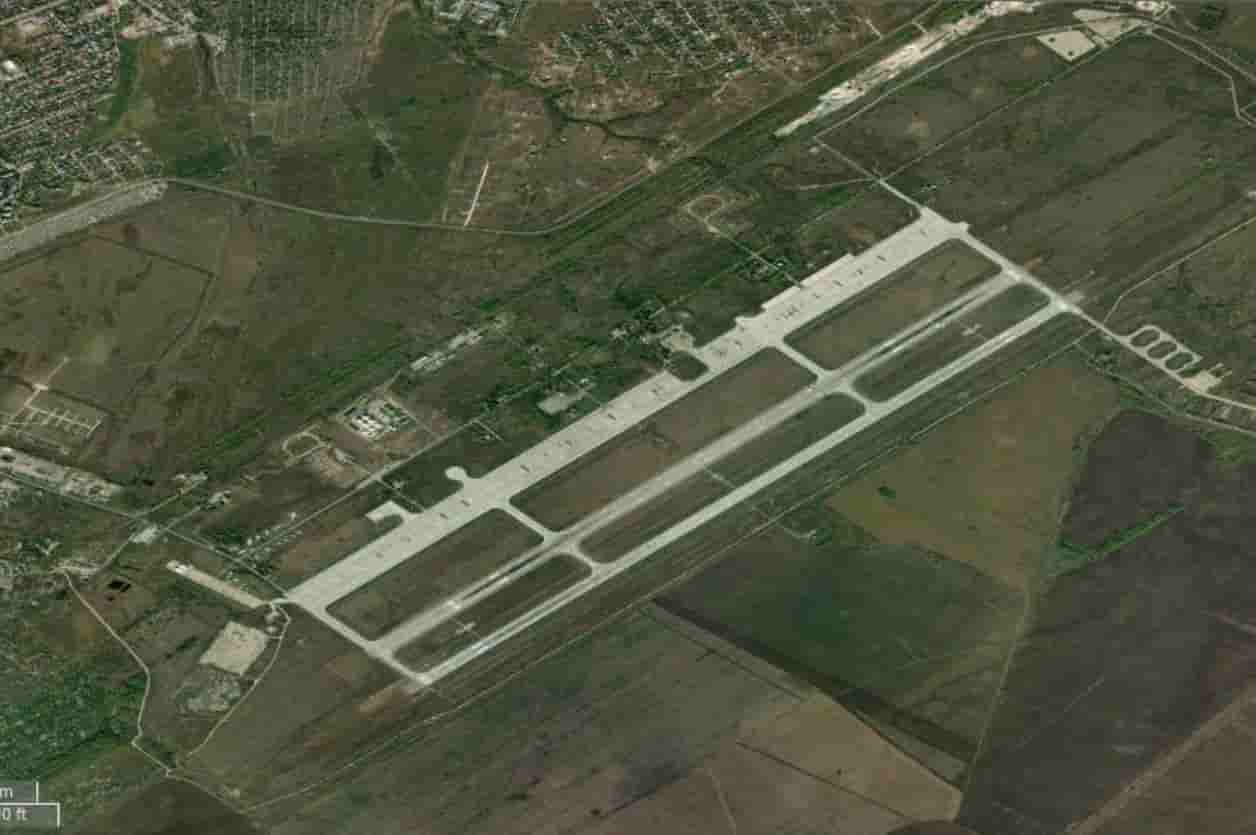
On August 2, Ukraine conducted a large drone operation against targets across Russia, including the Saratov oil refinery, the Engels airfield that hosts strategic aviation, an oil depot in Kaluga, and a Wildberries warehouse. Russia’s Defense Ministry said it intercepted 635 drones across 16 regions. Russian officials reported eight civilian deaths, including two people killed when drones struck residential buildings in Engels and three killed in Udmurtia, more than 1,000 kilometers from the front line. Kyiv described the operation as retaliation for Russian attacks and said fires damaged the refinery and Engels airfield.
The exchange continued on August 3 when a drone struck a crowded beach near Arkhipo-Osipovka, close to the Black Sea resort of Gelendzhik in Russia’s Krasnodar region. Russian authorities said seven people, including three children, were killed and 40 injured. Video showed a drone crashing near the beach, but it remained unclear whether the aircraft had been intercepted, jammed, or was intended for a nearby naval facility. Kyiv did not comment. Russian officials also said four people were killed in another Ukrainian strike in Russian-annexed Crimea.
Russia continued long-range attacks on Ukrainian territory during the same period. A Russian strike on a gas station in the Kryvyi Rih district killed three people, including an emergency worker and his eight-year-old son, while a separate attack wounded 13 people in the Odesa region. Moscow also said it had struck two Ukrainian ports and two vessels in the Black Sea. In Kharkiv, a Russian drone and missile attack on August 1 destroyed a warehouse containing more than eight million books, according to the publisher.
Both sides have increasingly targeted economic, logistics, energy, and transport nodes beyond the front line. Ukraine has repeatedly attacked Wildberries warehouses, asserting that the company stores dual-use items relevant to Russia’s military effort. Russia’s attacks on Ukrainian Black Sea infrastructure have constrained grain exports, prompting farmers to use temporary storage while transport costs rise. Moscow and Kyiv both deny deliberately targeting civilians. U.S.-led efforts to mediate an end to the war have remained largely frozen since February.

Why it Matters
The scale and geographic reach of Ukraine’s drone campaign suggest that long-range strikes are becoming a central means of imposing costs on Russia beyond the static front line. The August 2 operation reportedly reached targets from border regions to Udmurtia, while Kyiv claimed strikes against the Saratov refinery and Engels strategic aviation base. Such operations could force Russia to disperse air defenses, harden industrial sites, and devote greater resources to protecting infrastructure far from combat zones.
Civilian harm from drone interceptions, crashes, and strikes is becoming a major escalation risk for both governments. The beach incident near Gelendzhik killed seven people and injured 40, while Russian authorities reported civilian deaths in Engels, Belgorod, Udmurtia, and Crimea during the broader Ukrainian campaign. Even if a drone’s intended target is military or industrial, attacks near populated areas can create political pressure for retaliation and increase the risk that long-range campaigns become defined by civilian casualties rather than military effects.
The contest over logistics and energy infrastructure has direct economic and military significance. Ukraine’s claimed attacks on the Saratov refinery and Wildberries facilities seek to disrupt fuel production, military-linked supply chains, and domestic economic activity. Russia’s stated strikes on ports and vessels, alongside the disruption of Ukrainian grain exports, aim at transport routes that sustain Ukraine’s economy and access to external markets. The relevant indicator is whether either side can sustain damage to these networks faster than the other can reroute freight, repair facilities, or improve air defenses.
The reciprocal strike cycle may further reduce incentives for near-term diplomatic compromise. Mediation efforts have remained stalled while both sides expand attacks intended to demonstrate resilience, retaliatory reach, and the ability to impose costs on the other’s civilian economy. The targeting of strategic aviation facilities, ports, refineries, warehouses, and resort areas also raises the possibility that each side will view restraint as militarily disadvantageous. A key uncertainty is whether attacks on strategically valuable infrastructure produce measurable leverage or instead reinforce a self-sustaining retaliatory cycle.
Stay Informed. Stay Ahead.