
Russia’s Gains and Western Delays Test Europe’s Strategic Resilience
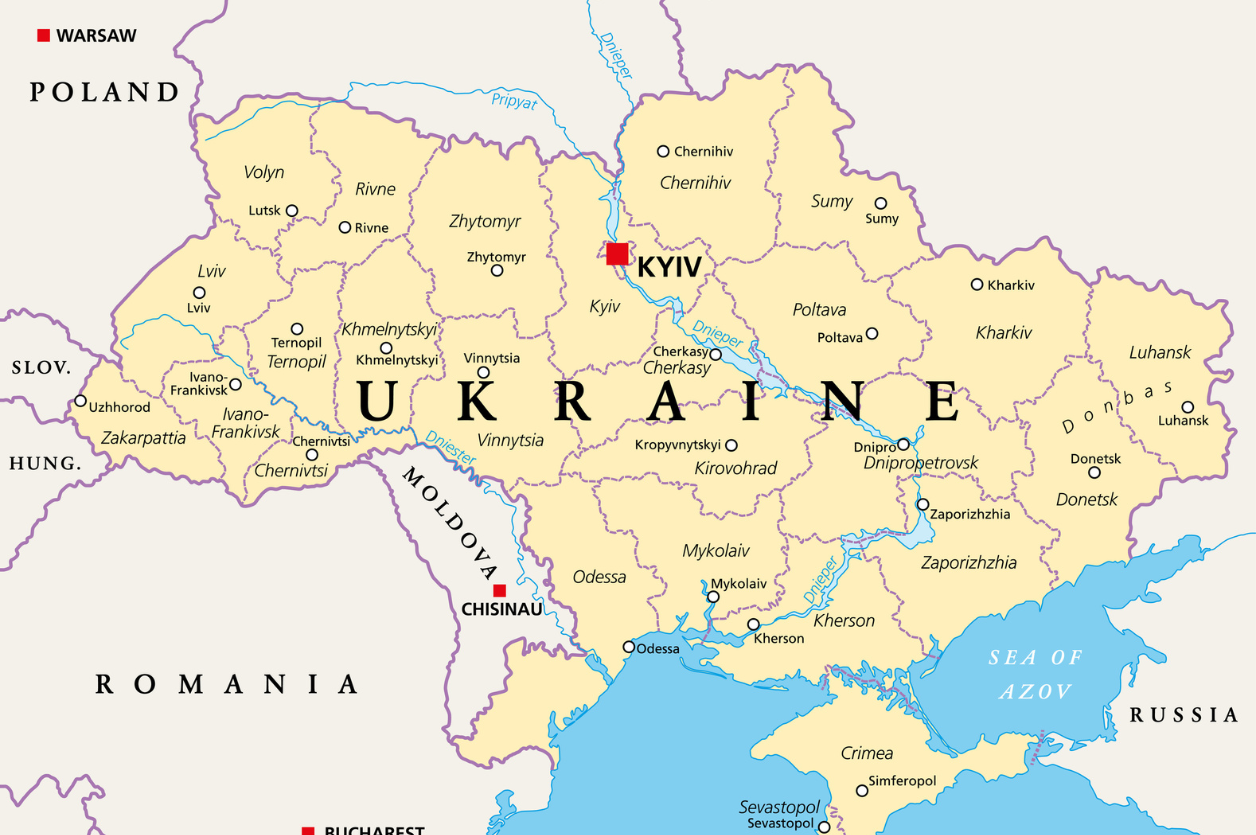
Photo credit: iStock.com/PeterHermesFurian
Intelligence Summary
Between November 8 and 11, 2025, Russian forces achieved a series of territorial gains across multiple sectors of the Ukrainian front, while Ukraine faced severe energy disruptions and logistical setbacks. The Russian Ministry of Defence reported the capture of Rybne in the Zaporizhzhia region and Hnativka near Pokrovsk, achieving control over key areas in close proximity to the Donetsk front. Russian units from the Tsentr Group of Forces advanced through Pokrovsk’s industrial and residential districts, securing 244 buildings in a single day and repelling nine total Ukrainian counterattacks, seven from Hrishyne. In the Zaporizhzhia sector, the 127th Motorized Rifle Division captured Sladke and Novoye, securing 25 square kilometers and threatening the Ukrainian stronghold of Huliapole.
In the Kharkiv region, Russian troops advanced through Vovchansk and Kupyansk, with the Ministry of Defence claiming that over 5,000 Ukrainian soldiers were encircled in Kupyansk and offered surrender terms. Russian forces reportedly seized additional railway junctions and industrial zones, while Ukrainian troops attempted to hold the western bank of the Oskil River as a defensive barrier. The Russian advance in Kupyansk and Pokrovsk was accompanied by reports of Ukrainian desertions as some soldiers have begun to disguise themselves in civilian clothing. Ukrainian human rights commissioner Dmitry Lubinets confirmed a doubling of complaints about forced conscription since June, while Eurostat data showed a 49 percent increase in Ukrainians seeking protection in the EU in September, the first month when men aged 18 to 22 were allowed to leave the country.
Russian strikes have ravaged Ukraine’s energy infrastructure, debilitating power generation. On November 8, large-scale missile and drone attacks shut down all state-owned thermal power plants, leaving Kyiv and major cities such as Kharkiv and Dnipro with nine-hour daily blackouts. Ukrainian Energy Minister Svitlana Grynchuk confirmed that power generation had fallen to zero, with outages lasting up to 16 hours per day. The state company Centrenergo reported that months of repair work were destroyed, though the statement was later changed after alleged government intervention took place. The strikes coincide with harsh winter conditions in Ukraine. Russia has characterized the offensives as retaliation for Ukrainian drone attacks on Russian oil depots and power facilities.
Ukraine’s retaliatory drone and missile strikes targeted regions across Russia, causing temporary power outages for thousands of households in Belgorod and Voronezh. Russian air defense systems claimed to have intercepted 71 Ukrainian drones between November 9-10, while Ukrainian forces reported shooting down 52 of 67 Russian attack UAVs. The mutual bombardments have severely damaged energy infrastructure across the region.
Diplomatic and political developments reflected the war’s strain on alliances and aid flows. Russian Foreign Minister Sergey Lavrov emphasized that ending the war was impossible without addressing Russia’s security concerns and confirmed ongoing but slow discussions with the United States. Russian Security Council Secretary Sergei Shoigu met Egyptian President Abdel Fattah el-Sisi to discuss military-technical cooperation, highlighting Moscow’s continued outreach to non-Western partners. Meanwhile, the United States’ record-breaking government shutdown delayed over five billion dollars in weapons transfers to NATO allies and Ukraine, including AMRAAM missiles, Aegis systems, and HIMARS launchers. The delay disrupted the replenishment of Ukrainian military supplies and highlighted the dependence of Kyiv’s defense logistics on U.S. political stability.
Hungary secured a one-year waiver from U.S. sanctions on Russian oil and gas, maintaining access to 86 percent of its oil and 74 percent of its gas through the Druzhba pipeline. Ukrainian threats to strike Russian energy infrastructure are being interpreted by analysts as potential risks to European energy security. In Belgium, three drones were detected over the Doel nuclear power plant, prompting the United Kingdom to deploy personnel and equipment to assist in investigation and defense.
On November 10, Russian officials declared that Ukraine could not win the war and asserted that Moscow would continue operations until its objectives were achieved. Ukrainian President Volodymyr Zelenskyy continued to reject Russian surrender terms and insisted that the situation was a stalemate, though reports from multiple fronts indicated continued Russian advances and Ukrainian withdrawals.
Why it Matters
The early days of November 2025 illustrate a shift in the Russia-Ukraine conflict toward Russian operational dominance and Western logistical vulnerability. The simultaneous collapse of Ukrainian defensive lines in Pokrovsk, Kupyansk, and Zaporizhzhia, combined with the paralysis of U.S. weapons transfers, underscores the interdependence between battlefield outcomes and U.S. political stability. The U.S. government shutdown’s delay of over five billion dollars in arms exports disrupted the flow of critical weapons systems, affecting Ukraine’s capacity to sustain high-intensity defense. This event demonstrates how domestic political issues in Washington can have immediate strategic consequences on the European front.
The Russian military’s offensive is supported by coordinated drone and missile campaigns, reflecting a deliberate strategy to exhaust Ukraine’s energy infrastructure and morale before winter. The shutdown of all state-owned thermal power plants has resulted in nine-hour blackouts in Kyiv and other cities, marking the most severe energy crisis since the war began. The deliberate targeting of power generation and distribution infrastructure, combined with the destruction of substations and rail networks, has crippled Ukraine’s ability to move troops and supplies. Millions of civilians are facing humanitarian strain, going without heat and/or electricity, resulting in weakened domestic resilience, and complicating Western aid delivery.
Russia’s use of energy warfare has also extended beyond Ukraine’s borders. The detection of drones over Belgium’s Doel nuclear plant and the Hungarian government’s waiver from U.S. sanctions highlight the broader European exposure to hybrid threats and energy coercion. The Druzhba pipeline’s continued operation remains a critical vulnerability for the European Union, as any disruption could trigger economic losses exceeding four percent of Hungary’s GDP. These developments illustrate how the conflict has evolved into a continental energy security issue, linking battlefield dynamics to European economic stability.
The erosion of Ukrainian manpower is further exacerbating the crisis. Reports of soldier desertions combined with the exodus of fighting-age men to the EU, indicate a severe depletion of Ukraine’s human resources. The doubling of complaints and reports of forced conscription suggest a breakdown in morale and governance. This manpower crisis undermines Ukraine’s ability to sustain prolonged defense and increases its dependence on Western allies.
Diplomatically, Russia’s outreach to Egypt and its continued engagement with Hungary demonstrate Moscow’s success in maintaining and expanding non-Western partnerships despite facing sanctions. These relationships provide alternative channels for military-technical cooperation and energy trade, mitigating the impact of Western isolation. Meanwhile, the slow pace of U.S.-Russia discussions and the absence of meaningful diplomatic progress indicate that both sides remain entrenched in a war of attrition.
The recent developments in the war between Russia and Ukraine indicate a convergence of military, energy, and political crises. If Ukraine’s energy grid continues to collapse and Western aid remains delayed, Russia could consolidate control over key logistical corridors in eastern Ukraine, including the Pokrovsk–Dnipro axis. The fall of Pokrovsk would sever Ukraine’s main supply routes in the Donbas, enabling Russian forces to redeploy toward central Ukraine.
For NATO and the European Union, the events highlight the fragility of collective defense logistics and the risks of overreliance on U.S. political stability. The delayed weapons transfers reveal vulnerabilities in Ukraine’s military support and the spread of drone incidents in Western Europe signals the potential expansion of hybrid warfare beyond the immediate conflict zone. Taken together, the events of early November 2025 illustrate the complexities of a war that continues to produce humanitarian, economic, energy, and security crises in the region and across the globe.
Key Actors
- Russian Federation
- Ukraine
- United States
- European Union (notably Hungary and Poland)
- NATO