Russia-West Confrontation Escalates, Testing NATO and Global Security
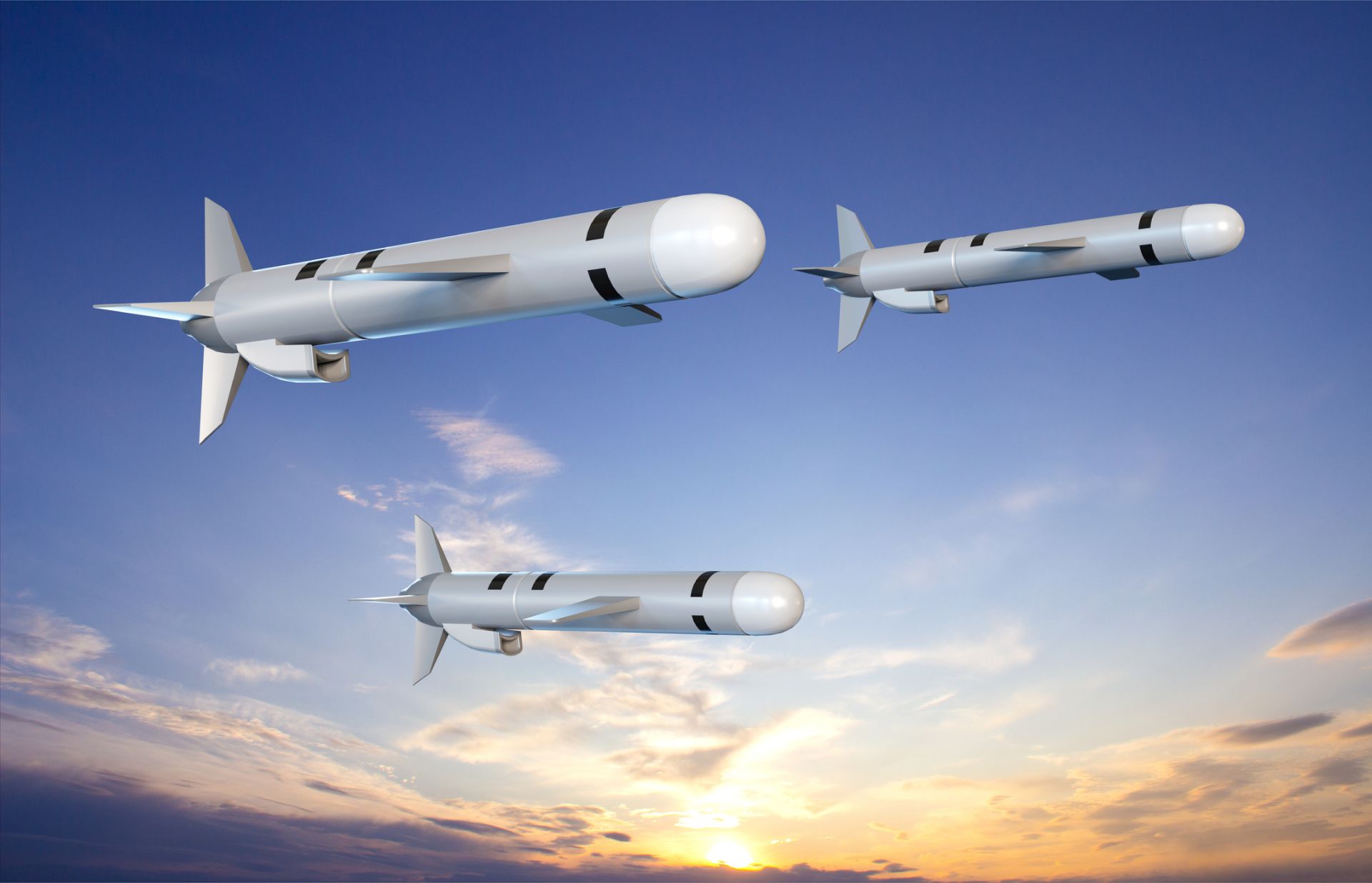
Photo credit: iStock.com/e-crow
Intelligence Summary
The conflict between Russia and Ukraine has entered a new phase of escalation, marked by intensified Russian offensives, expanded Ukrainian counterstrikes, and heightened Western involvement. Russian President Vladimir Putin claimed Russian forces were making progress, while signing a decree to conscript 135,000 men aged 18 to 30 for military service between October and December. Russian forces have advanced toward multiple directions, including Kupiansk, Seversk, and Donetsk, with reports of territorial gains such as the capture of Shandriglovo and Zarichne northeast of Sloviansk. Russian offensives have also expanded in Zaporizhzhia and Dnipropetrovsk, where breakthroughs near Verbove and Novohryhorivka threaten to cut Ukrainian supply lines along the R-85 highway.
Ukraine has mounted counteroffensives, reports indicate that Ukrainian forces recaptured more than 170 square kilometers near Dobropillia, inflicting nearly 3,200 Russian casualties. However, Ukrainian forces have also reportedly conceded the loss of Poltavka in Donetsk. Ukrainian drone and missile strikes have increasingly targeted Russian territory, including the Moscow region, where a child and grandmother were killed in Voskresensk. Ukraine also struck the Elektrodetal plant in Bryansk and the Belgorod Thermal Power Plant, causing blackouts and civilian injuries.
Russian missile and drone attacks on Ukraine remain intense. A 12-hour strike on September 28 killed at least four people in Kyiv and injured more than 70 across Ukraine, with 31 drones striking residential and civilian facilities, including a cardiology center. Russian strikes also targeted Ukrainian logistics hubs, energy facilities, and judicial institutions, including a courthouse and prosecutor’s office in Dnipropetrovsk and a railway station in Chernihiv. The UN’s International Atomic Energy Agency reported that the Zaporizhzhia Nuclear Power Plant has been without offsite power for six days due to nearby attacks, with both sides blaming each other.
The debate over supplying Ukraine with long-range Tomahawk cruise missiles has become a central issue. U.S. Vice President JD Vance confirmed that President Donald Trump will make the final decision. Tomahawks, with a range of up to 2,500 km (1,500 miles), would place Moscow within reach of Ukrainian strikes. Kremlin spokesman Dmitry Peskov dismissed the idea that such weapons would alter the battlefield. Tomahawks are designed to be launched from U.S. warships and land-based missile launchers. The Intermediate-Range Nuclear Forces (INF) Treaty, which the U.S. withdrew from in 2019, prohibited the use of these land-based systems. It is unclear how Ukraine would operate the Tomahawks without direct assistance from U.S. personnel, resulting in warnings from Moscow regarding the lack of protection for those involved.
NATO and European states are responding to increased Russian airspace violations and drone incursions. Lithuania’s defense minister called for NATO to shift from air policing to genuine air defense, while Poland’s defense minister proposed joint drone technology development with Ukraine. NATO launched Operation Eastern Sentry after the drone incident in Poland. Denmark has also faced a series of drone incursions, resulting in France, Germany, and Sweden reinforcing Denmark’s air defenses. Poland has declared it will shoot down any intruding aircraft, while NATO Secretary-General Mark Rutte emphasized proportionality to avoid escalation.
European leaders have described the situation as a direct threat to continental security. German Chancellor Friedrich Merz claimed that Europe is no longer at peace, while German Defense Minister Boris Pistorius identified Russia as NATO’s most significant threat. Polish Prime Minister Donald Tusk requested EU and NATO unity.
Russia has also escalated politically, withdrawing from the European Convention for the Prevention of Torture. Meanwhile, Crimea has imposed fuel rationing after Ukrainian drone strikes on Russian oil refineries disrupted supplies.
The U.S. is simultaneously bolstering their defenses, with the Department of War reportedly pushing to double or quadruple missile production to prepare for potential conflict with China, while continuing to supply Ukraine and other allies.
Why it Matters
The confrontation between Russia and the West is entering a more intense phase, where battlefield escalation in Ukraine is now closely tied to broader power struggles and the testing of Western alliances. Russia is pressing forward on several fronts in Kharkiv, Donetsk, and Zaporizhzhia, indicating a renewed push to fracture Ukrainian defenses and sever supply lines. If successful, these operations could isolate Ukrainian forces and destabilize the southern front, potentially forcing Kyiv into a more defensive posture. The reported recapture of territory by Ukraine highlights its resilience, but the scale of Russian advances suggests that the conflict remains unstable and costly.
The debate over supplying Ukraine with Tomahawk missiles illustrates the risks of escalation. With ranges up to 2,500 km, these weapons would allow Ukraine to strike deep into Russian territory, including Moscow. While Ukrainian officials argue that such capabilities could compel Russia to negotiate, Moscow has warned that U.S. personnel involved in operating these systems would be without protection. This raises the risk of direct confrontation between Russian and U.S. forces, which could transform the conflict from a proxy war into a direct clash between nuclear powers.
NATO’s response to Russian airspace violations illustrates the alliance’s dilemma. Poland’s willingness to use lethal force contrasts with NATO’s broader caution, reflecting the tension between deterrence and escalation management. Each incursion forces NATO to balance the need to demonstrate resolve with the risk of triggering a wider war. The reinforcement of Denmark’s air defenses and the launch of Operation Eastern Sentry show that NATO is adapting, but the strain on resources is evident, as systems deployed to protect European airspace may reduce availability for Ukraine.
The political framing of the conflict, articulated by leaders such as Donald Tusk and Friedrich Merz, reinforces the perception of the war as a systemic confrontation between Russia and the Euro-Atlantic community. This message helps keep the alliance united, but it also portrays the conflict as a fight for survival, leaving little room for compromise. Russia’s withdrawal from European human rights frameworks signals a further break from Western institutions, deepening the geopolitical divide.
Energy security has become a central part of the war. Ukrainian strikes on Russian oil refineries and power plants have disrupted supplies, leading to rationing in Crimea. These attacks highlight Ukraine’s strategy of targeting Russia’s economic infrastructure to undermine its war effort. However, they also risk provoking harsher Russian retaliation against Ukraine’s own energy grid, as seen in repeated strikes on substations and power facilities. The targeting of energy infrastructure shows the vulnerability of civilian populations and the potential for broader regional disruptions.
The U.S. push to expand missile production reflects the global dimension of the confrontation. By preparing for potential conflict with China while sustaining support for Ukraine, Washington is signaling that it views the war as part of a broader realignment of global power. This dual focus strains resources but also shows how one regional conflict can shape military posture in another, with decisions in Europe influencing the Indo-Pacific.
Overall, the escalation marks a dangerous cycle. Ukraine’s increasing use of long-range strikes, Russia’s growing offensives, NATO’s defensive moves, and the U.S. debate over Tomahawks all point toward a conflict that is expanding and becoming more dangerous. The potential for miscalculation is high, particularly with airspace violations and the use of advanced weapons. The conflict is no longer limited to Ukraine, but is reshaping Europe’s security and influencing the balance of power worldwide.
Key Actors
- Russia
- Ukraine
- United States
- NATO
- European Union
- Poland
- Germany