
Russian Drones Breach Polish Airspace in Major NATO Violation
iStock.com/Olena Bartienieva
Intelligence Summary
On September 10–11, 2025, multiple Russian drones crossed into Polish airspace during a wave of Russian strikes on Ukraine, marking the most serious violation of NATO territory since the start of the Ukraine war in 2022. Polish and NATO aircraft, including Polish F-16s and Dutch F-35s, intercepted and shot down several drones, while others crashed across eastern and central Poland, with debris found as far as Lodz, 250 kilometers from the eastern border. Nineteen drones in total entered Polish airspace, with at least three destroyed in direct engagements. One drone damaged the roof of a civilian home in Wyryki near Lublin, though no casualties were reported.
Polish Prime Minister Donald Tusk and President Karol Nawrocki met in a show of unity across political divides to discuss the incursion. European officials described the incident as a deliberate provocation and an attempted test of NATO’s abilities. Tusk reaffirmed Poland’s “great modernization program” for its armed forces, which includes the acquisition of 32 F-35 fighter jets from the United States, with the first delivery expected next year. Poland already spends 4.7 percent of GDP on defense, the highest in NATO, and will deploy 40,000 troops to its eastern border.
The incursion triggered a strong NATO response. Germany announced it would expand air policing over Poland, while the Netherlands and Czech Republic pledged to send air defenses, artillery, helicopters, and troops. France committed three Rafale fighter jets to Poland’s defense. NATO’s Supreme Allied Commander Europe, General Alexus Grynkewich, acknowledged uncertainty over whether the drones were intentionally directed into Poland but emphasized the need to adapt NATO’s posture to handle such incursions. The United Nations Security Council scheduled an emergency meeting at Poland’s request for September 12. Germany, France, and the Netherlands summoned Russian ambassadors to protest the violation, with German Chancellor Friedrich Merz rejecting Moscow’s claim that the incident was accidental. Polish leaders also invoked NATO’s Article 4, initiating formal consultations among allies.
The drone incident coincided with the start of Zapad 2025, large-scale joint military exercises between Russia and Belarus running from September 12–16. The drills involve tens of thousands of troops and include training with Russia’s new Oreshnik missiles, which are reportedly capable of carrying nuclear warheads. The Russian Defense Ministry stated the exercises were defensive and aimed at improving command coordination, and Kremlin spokesman Dmitry Peskov insisted they were not aimed at any other country. However, Polish and Baltic officials warned the drills could simulate an attack on the Suwalki Gap, NATO’s most vulnerable corridor linking Poland and Lithuania.
The Baltic states responded with heightened security measures. Lithuania declared a no-fly zone along its border with Belarus until October 1, Latvia closed its eastern airspace until September 18, and Estonia summoned Russia’s chargé d’affaires after a helicopter violated its airspace. Lithuania also announced plans to raise defense spending to more than 5 percent of GDP by 2026 and began joint exercises with Poland, Estonia, and Latvia involving approximately 40,000 troops.
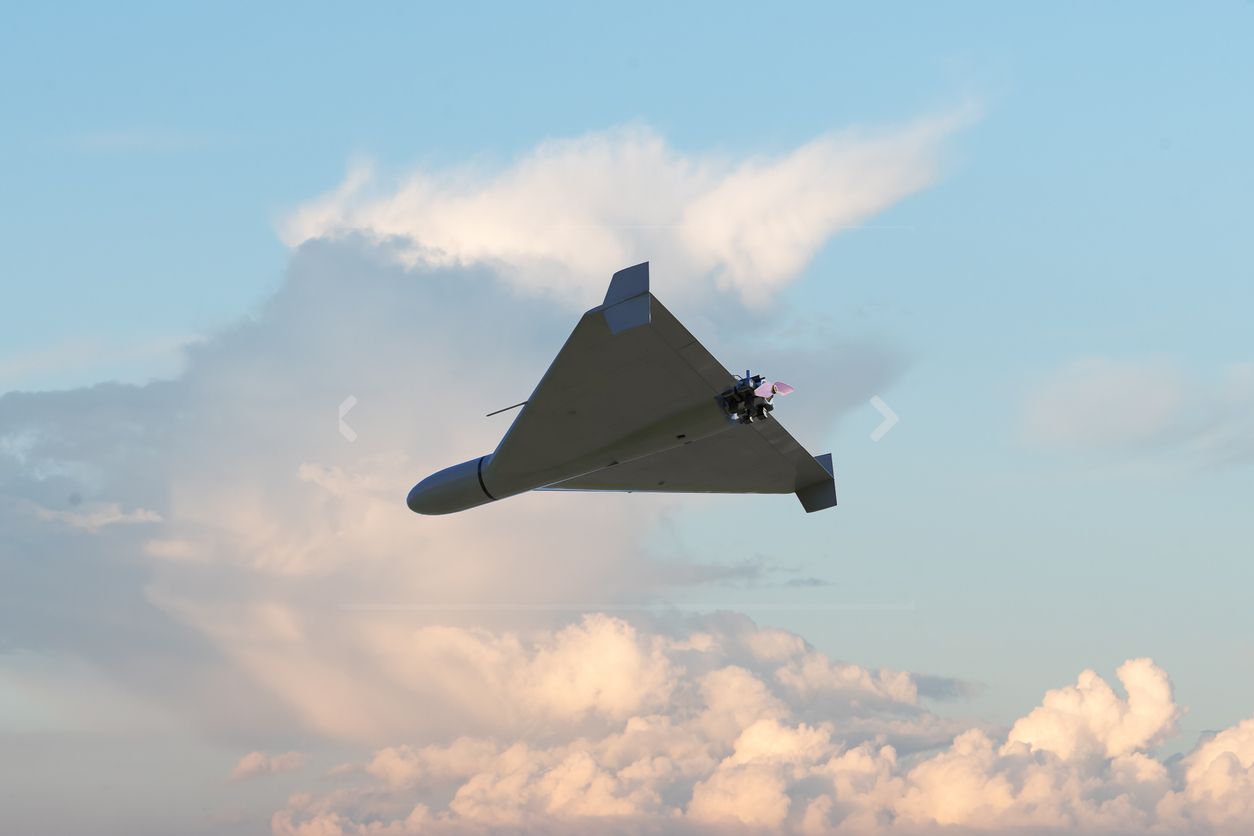
Disinformation campaigns accompanied the drone incident. Polish officials accused Russia and Belarus of spreading false narratives, including shifting blame to Ukraine and aggravating the Ukrainian crisis. Viral videos purporting to show the drone attacks were debunked as footage from the video game Arma 3. European Commission President Ursula von der Leyen confirmed that the drones were Shahed models of Iranian design, commonly used by Russia in Ukraine.
Why it Matters
The Russian drone incursion into Poland represents a significant escalation in the Russia-NATO confrontation, testing the alliance’s deterrence credibility and exposing vulnerabilities in its eastern flank. While Russia denied targeting Poland, the scale of the violation—nineteen drones entering NATO airspace—marks a departure from previous isolated incidents and forces NATO to confront the possibility of deliberate probing of its defenses. This incident underscores the blurred line between the Ukraine war and potential direct NATO involvement.
Poland’s response highlights the centrality of military modernization and alliance solidarity in deterring further Russian aggression. By reaffirming its F-35 acquisition and deploying troops to its eastern border, Warsaw is signaling both readiness and reliance on NATO’s collective defense. The invocation of Article 4 consultations demonstrates Poland’s intent to internationalize the crisis, ensuring that the incursion is treated as a threat to the entire alliance rather than a bilateral issue.
The NATO response, with Germany, France, the Netherlands, and the Czech Republic committing tangible military assets, reflects a shift from symbolic solidarity to concrete reinforcement of the eastern flank. This is strategically significant because it demonstrates to Moscow that provocations will trigger not only political condemnation but also measurable increases in NATO’s forward presence. France’s deployment of Rafale jets and Germany’s expanded air policing are particularly notable, as they represent Western European powers directly reinforcing Eastern Europe, countering Russian assumptions of a divided alliance.
The Zapad 2025 exercises amplify the sense of threat. Although Moscow insists the drills are defensive, their timing—immediately after the drone incursion—creates the perception of coordinated escalation. The exercises’ inclusion of nuclear-capable Oreshnik missiles and potential simulations of an attack on the Suwalki Gap highlight NATO’s most acute vulnerabilities. For the Baltic states, the drills evoke memories of Russia’s 2021 Zapad exercises, which preceded the full-scale invasion of Ukraine. Their decision to close airspace, increase patrols, and raise defense budgets reflects both immediate caution and long-term strategic adaptation.
The disinformation campaigns surrounding the drone incident illustrate the hybrid nature of Russian strategy. By spreading narratives that Ukraine staged the incursion or that the drones never entered Poland, Moscow seeks to sow doubt within NATO and weaken public support for escalation. The use of manipulated video game footage demonstrates how quickly false narratives can spread, requiring NATO states to invest in counter-disinformation capabilities as part of their defense posture.
Diplomatically, the incident has reinforced transatlantic unity but also exposed differences in tone. While European leaders labeled the incursion deliberate aggression, U.S. President Donald Trump suggested it might have been a mistake, reflecting a more cautious approach. This divergence underscores the importance of European defense initiatives, as reliance on U.S. leadership may not always align with regional threat perceptions. Nonetheless, Trump’s assurance of continued U.S. troop presence in Poland provides a baseline of deterrence.
The broader strategic significance of these events lie in Russia’s apparent willingness to test NATO’s red lines while simultaneously engaging in high-profile military exercises. This dual approach pressures NATO to balance deterrence with restraint, avoiding escalation into direct conflict while ensuring credibility.
Ultimately, the drone incursion and Zapad 2025 drills reinforce the reality that Eastern Europe is an area at the frontline of escalating geopolitical competition. NATO’s ability to respond cohesively, counter hybrid threats, and reinforce vulnerable corridors like the Suwalki Gap will determine whether Russia perceives the alliance as a credible deterrent or a divided bloc susceptible to further provocations.
Key Actors
- Russia
- Belarus
- Poland
- NATO
- Baltic States (Lithuania, Latvia, Estonia)
- United States
- France
- Germany