
Intelligence Summary
Why It Matters
Stay Informed. Stay Ahead.
The global landscape changes daily, don't get left behind.
Thank you!

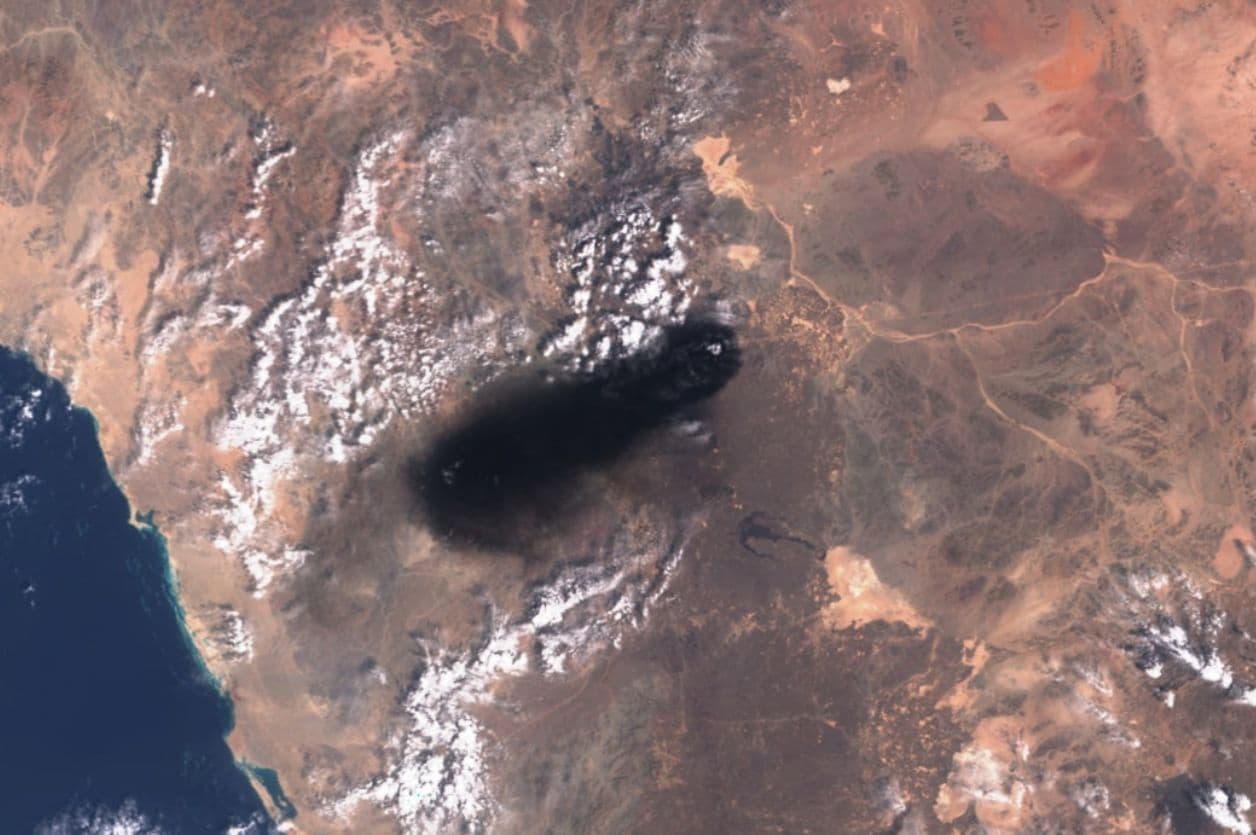
Saudi Arabia’s East-West Pipeline, also known as Petroline, was shut after drone strikes on September 10 damaged facilities near Riyadh and Medina. The 1,200-kilometer line connects eastern oil fields to the Red Sea port of Yanbu and is Saudi Arabia’s principal overland route for exporting crude without using the Strait of Hormuz. Saudi authorities attributed the launches to Iranian-aligned militias operating from Iraq’s Maysan province, although this attribution has not been independently confirmed. The attack caused infrastructure damage and injuries, while satellite imagery showed fire damage at a pumping station along the route.
The duration and scale of the outage remain uncertain. Regional officials said repairs could take three to five weeks and that limited operations might resume during repair work. Other industry estimates put the repair period at five to six weeks. The pipeline can carry up to 7 million barrels per day, though actual volumes have varied. Saudi Arabia had used it to route roughly 4 million barrels per day to Yanbu during the Hormuz disruption, equivalent to about 4 percent of global supply. Saudi production had already fallen to 6.2 million barrels per day in August, from 10.9 million before the conflict began in February.
The pipeline closure compounds disruption in the Strait of Hormuz, where prewar flows of about 20 million barrels per day have reportedly declined to between 6 million and 9 million. The United States says it is escorting traffic and that average flows reached 10 million barrels per day in the previous week, but preliminary vessel-tracking data indicated far lower daily transits over the weekend. Iran disputes US assertions of control and has declared a restricted shipping zone near the waterway. A projectile strike on a vessel in Hormuz on September 13, alongside further attacks on Saudi territory, reinforced market concerns. Brent crude rose above $108 per barrel and West Texas Intermediate exceeded $103.
The strike has impaired Saudi Arabia’s most important contingency route at the same time that Hormuz remains commercially and militarily insecure. Petroline was not merely an additional export option. It enabled Saudi crude to reach Yanbu when Gulf shipping deteriorated. Its loss therefore reduces the kingdom’s capacity to offset constrained Hormuz flows and concentrates risk on western export infrastructure, Red Sea storage, tankers, and the port of Yanbu. The episode shows that diverting oil around a threatened maritime chokepoint does not remove exposure when the alternative route depends on vulnerable fixed infrastructure.
Short-term storage offers only limited protection. Yanbu reportedly has sufficient stocks to maintain exports for approximately five to seven days, while Saudi crude held at Egyptian facilities could provide several additional days of supply. Those inventories can smooth an immediate interruption but cannot substitute for sustained pipeline throughput if repairs take weeks. This leaves Saudi Arabia with a narrowing operational buffer at a time when the International Energy Agency projects global supply will decline by 5.7 million barrels per day this year. A prolonged outage could therefore turn a transport disruption into a more direct reduction in export availability.
Oil prices are responding to lost barrels and to uncertainty over whether shipping can safely resume at scale. US naval escorts may enable some movement through Hormuz, yet commercial operators still face attacks, Iranian restrictions, uncertain transit data, and sharply higher war-risk insurance costs. This gap between military access and commercially viable shipping helps explain why futures markets remain elevated despite US assurances of improving flows. It also raises the economic stakes for any diplomatic engagement on Hormuz. The postponement of planned Oman talks between Gulf states and Iran removes a near-term channel that markets had viewed as a possible source of operational de-escalation.
The key indicators are the pace of Petroline repairs, whether partial pumping resumes, the rate at which Yanbu inventories are drawn down, and whether transit volumes through Hormuz rise consistently. Continued strikes against Saudi energy assets or vessels would increase the probability that prices remain high enough to weaken global demand and sustain inflationary pressure. Conversely, a verified restoration of pipeline operations and materially safer shipping conditions would reduce the immediate supply-risk premium, even if regional tensions remain unresolved.