
Starmer Resigns, UK Enters Political Limbo
Intelligence Summary
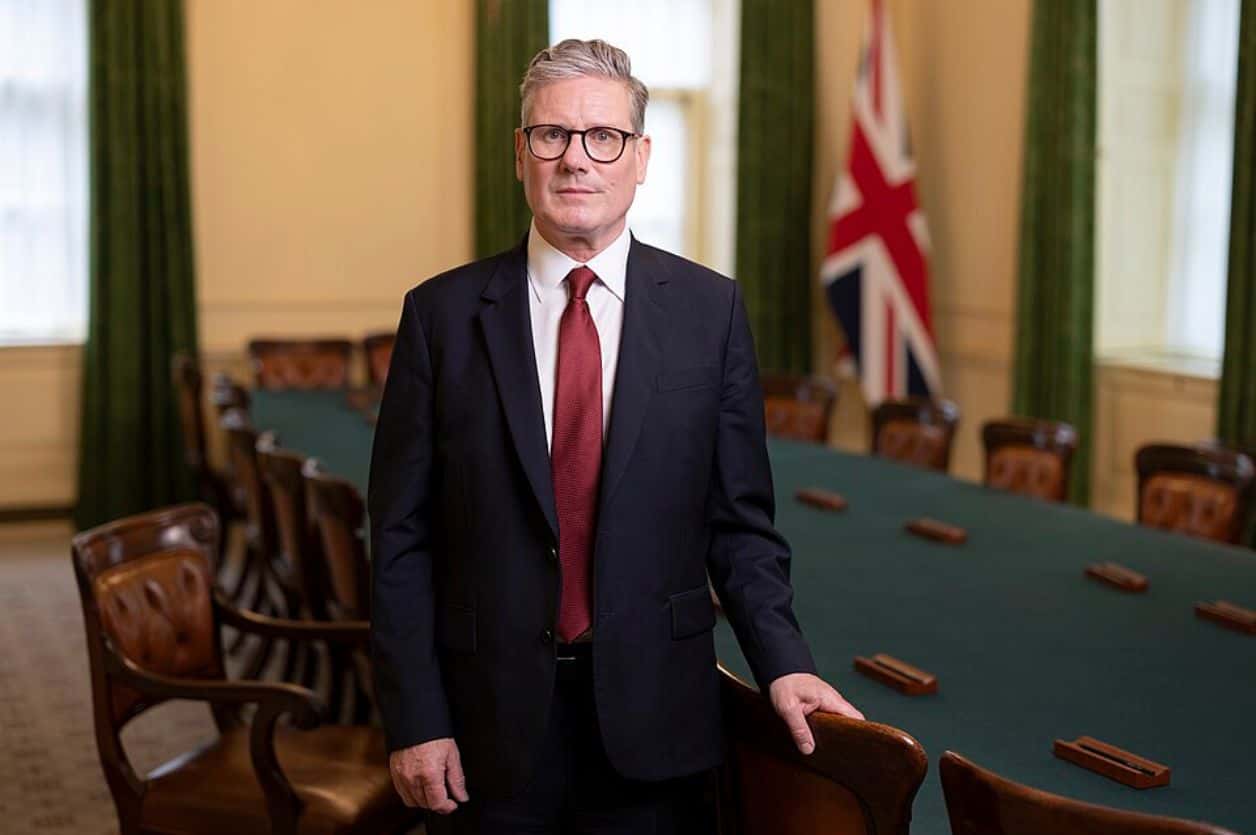
On June 22, 2026, British Prime Minister Keir Starmer announced his resignation after less than two years in office, following mounting pressure from within the Labour Party and a decisive by-election victory by his rival Andy Burnham in Makerfield, northwest England. Starmer stated that he would remain in a caretaker capacity until a new leader is chosen, with the Labour Party’s National Executive Committee setting July 9 as the date for nominations to open. The leadership contest is expected to conclude before Parliament’s summer recess in September.
Starmer’s resignation followed weeks of internal dissent and poor local election results that weakened his authority. His decision came after Burnham, the 56-year-old former mayor of Greater Manchester, won a parliamentary seat in Makerfield on June 19, 2026, clearing the way for him to challenge for the premiership. Burnham immediately declared his intention to run for party leader and prime minister, receiving support from former Health Secretary Wes Streeting, who had previously resigned from the cabinet in protest of Starmer’s leadership.
Starmer’s departure marks the seventh change in UK leadership in a decade, continuing a pattern of political instability since the 2016 Brexit referendum. He became the sixth prime minister to resign before completing a term since the UK’s withdrawal from the European Union, following predecessors David Cameron, Theresa May, Boris Johnson, Liz Truss, and Rishi Sunak.
Starmer’s tenure began with a landslide Labour victory in July 2024, securing 411 seats and a majority of 174, the party’s largest since 1997. However, his popularity quickly declined due to policy reversals, internal scandals, and a perceived lack of political direction. Polling by Ipsos recorded his net satisfaction at minus 66, the lowest for any British prime minister since 1977. His government faced criticism for withdrawing winter fuel payments for pensioners, raising payroll taxes, and mishandling welfare reforms, all of which prompted backbench revolts and forced policy U-turns.
A major controversy involved Starmer’s appointment of Peter Mandelson as ambassador to the United States despite warnings about Mandelson’s ties to the late Jeffrey Epstein. The scandal led to multiple resignations within the Foreign Office and damaged Starmer’s credibility. His administration also suffered from the resignation of senior ministers, including Deputy Prime Minister Angela Rayner and Health Secretary Wes Streeting, amid growing dissatisfaction with his leadership.
The Labour Party’s internal divisions were compounded by the rise of the far-right Reform UK party, which has led national polls for over a year and eroded Labour’s support base. Reform’s populist messaging on immigration and sovereignty resonated with disaffected voters, while Labour’s centrist repositioning under Starmer alienated parts of its traditional base.
Starmer’s resignation followed his return from the G7 Summit in the United States, where he had discussed the West Asia and Ukraine crises with other world leaders. His departure leaves the UK in a transitional phase as it navigates domestic political instability and international challenges, including its post-Brexit economic realignment and diplomatic positioning amid global conflicts.
Why it Matters
The resignation of Keir Starmer underscores the persistent volatility in British politics since Brexit, reflecting deeper structural instability in the UK’s governance model and its diminished global influence. The rapid turnover of seven prime ministers in ten years has weakened the continuity of British foreign and economic policy, complicating the country’s ability to project stability to allies and adversaries alike. This instability undermines London’s credibility in international negotiations, particularly in areas such as defense cooperation, sanctions enforcement, and energy security coordination with European and transatlantic partners.
Starmer’s fall also highlights the erosion of centrist political authority in Western democracies. His attempt to reposition Labour as a fiscally conservative, technocratic alternative to populism failed to resonate with voters facing economic hardship and cultural polarization. The rise of Reform UK, which has overtaken both major parties in some polls, mirrors broader European trends where populist movements exploit disillusionment with establishment politics. This shift could reshape the UK’s foreign policy posture, particularly if future governments adopt more nationalist or isolationist stances that diverge from NATO and EU strategic priorities.
From a geopolitical perspective, the leadership crisis occurs at a time when the UK’s diplomatic bandwidth is already stretched. Starmer’s government had been engaged in sensitive discussions on the Middle East conflict and energy chokepoint security, as noted during his G7 participation. His resignation introduces uncertainty into the UK’s role in these multilateral efforts, weakening coordination with the United States and European allies on sanctions regimes and maritime security in the Strait of Hormuz.
Domestically, the political vacuum could delay defense modernization programs and intelligence coordination reforms initiated under Starmer’s administration. The caretaker period until September limits the government’s ability to make major policy decisions, leaving critical defense procurement and cyber resilience initiatives in limbo. This pause may also embolden adversarial geopolitical actors to test the UK’s resolve in areas such as cyber operations, disinformation campaigns, and maritime deterrence.
The succession of Andy Burnham, if confirmed, could mark a shift toward a more populist and regionally focused leadership style. Burnham’s political base in northern England and his emphasis on social equity may reorient domestic spending priorities, potentially at the expense of defense and foreign policy budgets. However, his communication skills and public appeal could help stabilize Labour’s internal divisions and restore some voter confidence.
The broader implication is that the UK’s political instability now intersects directly with global power competition. As the United States, China, and the European Union recalibrate their strategic alignments, the UK’s capacity to act as a reliable partner is questioned. Frequent leadership changes disrupt long-term planning in areas such as energy transition, sanctions enforcement, and intelligence sharing. The erosion of domestic consensus also weakens the UK’s deterrence posture, as many perceive a distracted and divided government.
Ultimately, Starmer’s resignation is not an isolated event but part of a decade-long pattern of political fragmentation that has diminished Britain’s strategic coherence. The next government will inherit a divided party and a diminished international role, requiring urgent efforts to rebuild credibility and restore policy continuity.
Stay Informed. Stay Ahead.