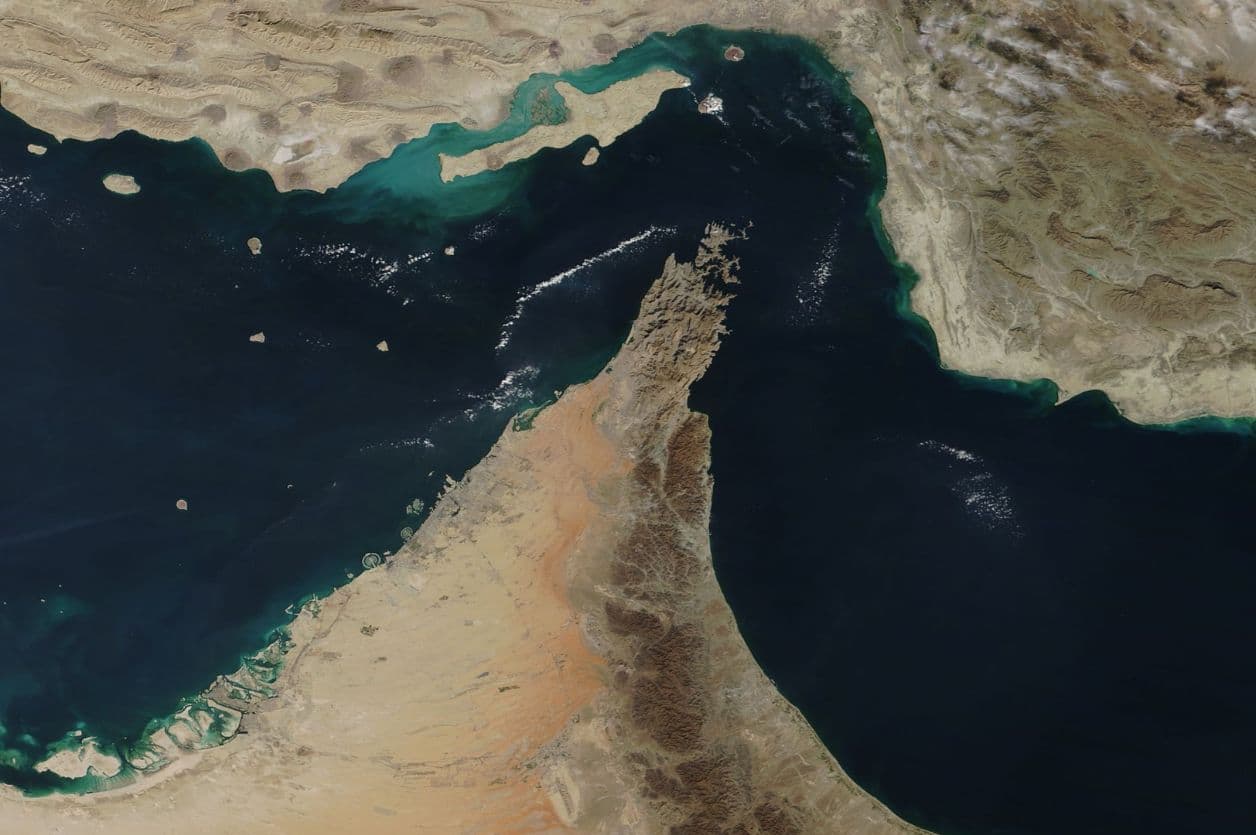
Iran has linked access through the strait to a wider negotiating framework rather than presenting maritime disruption as a separate military measure. That linkage gives Tehran a means of increasing pressure while preserving a stated path toward diplomacy: Washington would need to address Iranian conditions to secure normalization of transit. At the same time, the gap between Tehran’s declaration and the reduced movement of vessels suggests that the immediate effect is severe disruption rather than a fully enforceable halt to shipping.
The dispute creates a reciprocal escalation problem. Iran’s warnings to states that facilitate U.S. operations expand the potential geographic scope of a renewed confrontation beyond direct U.S.-Iran exchanges. Conversely, Iranian statements that U.S. bases, naval assets, commercial interests, and locally operating companies could face retaliation increase the potential costs of further U.S. military action. These positions may strengthen both sides’ bargaining leverage, but they also increase the likelihood for military moves that would create wider regional consequences.
The reduction in vessel traffic has immediate implications for energy markets, commodity traders, insurers, shippers, and firms dependent on Gulf transit. The strait is a key route for global energy shipments, and the fall from 35 to 12 commodity vessels in one week demonstrates that political and military uncertainty is already altering commercial behavior. Even without a complete closure, lower throughput and heightened threat perceptions can raise transport risk and disrupt delivery schedules. The commercial effect will depend less on formal declarations than on whether vessels, crews, insurers, and port operators judge transit to be practicable.
The near-term outcome will depend on whether diplomacy can produce terms each side can accept before either resumes major strikes. Qatar’s mediation, Trump’s stated openness to a meeting, and Iran’s continued engagement through intermediaries indicate that channels remain open. However, Iran’s insistence that there can be no return to previous negotiating terms, combined with its military warning, makes a simple restoration of the expired memorandum less likely. Key indicators are Washington’s response to the Iranian conditions, any verified change in vessel traffic, and whether either side acts on its stated readiness for renewed military operations.