Trump Opens US Market to Russian Diesel Amid Price Surge

Oct 12 / Steven A. Smith, PhD
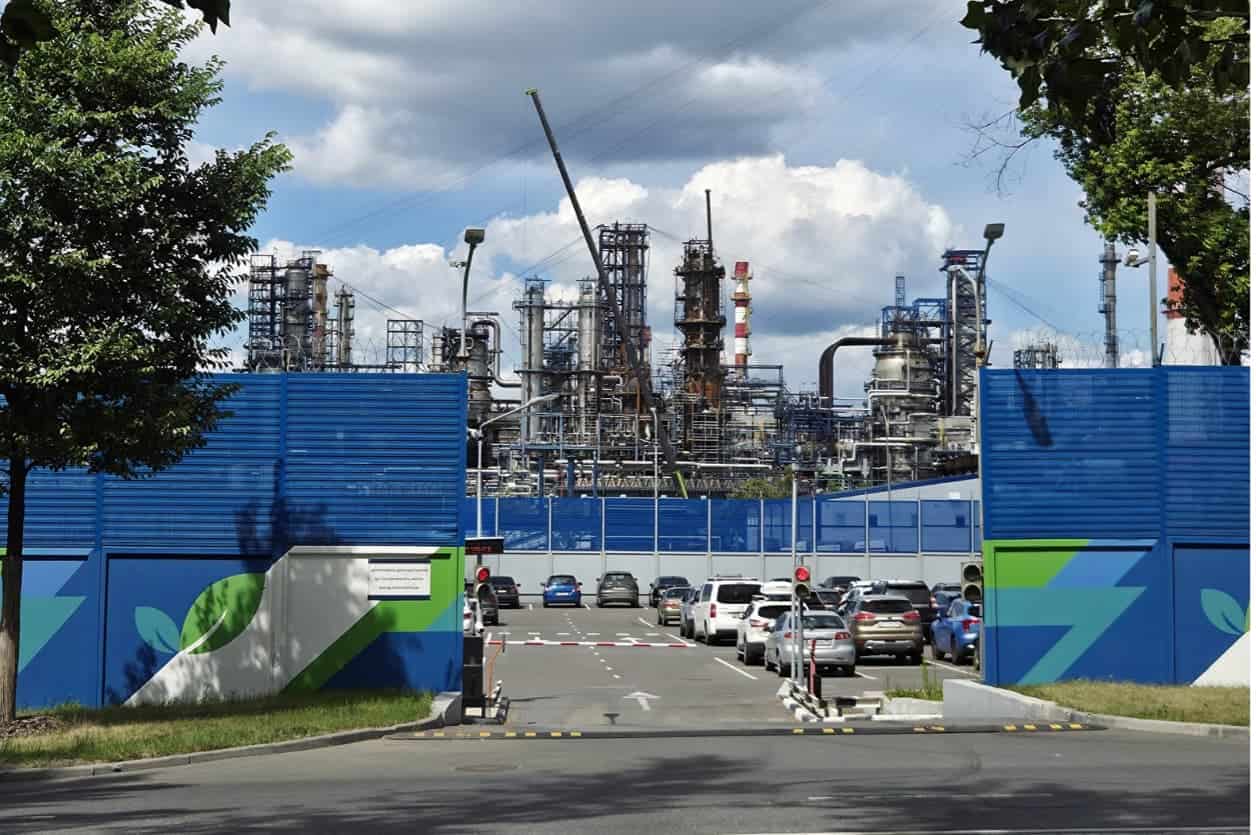
View of the Moscow Oil Refinery, June 23, 2026. Photo credit: Necosupa

Intelligence Summary

President Donald Trump announced on October 9 that Russia would release 300,000 tonnes of diesel immediately to the United States and global markets, followed by 500,000 tonnes in November, one million tonnes thereafter, and a further three million tonnes subject to Russian refinery conditions. The agreement followed a Trump-Putin telephone call. The administration has temporarily eased sanctions on Russian diesel exports, with the Treasury suspension reportedly set to run until April 7, while other Russian assets, including funds held in US banks, remain frozen. Trump has presented the measure as a response to high diesel prices affecting US consumers, farmers, ranchers, and truckers.


The arrangement has drawn unusual bipartisan opposition in Congress. Seven senators, including Republicans Susan Collins, Lisa Murkowski, Thom Tillis, and John Curtis, and Democrats Jeanne Shaheen, Richard Blumenthal, and Ron Wyden, argue that allowing Russian diesel imports conflicts with the 2022 prohibition on Russian energy imports. They also contend that the administration did not consult Congress or provide the statutory justification for its action. Republican Senator Jerry Moran separately warned that the decision could weaken sanctions leverage and US credibility with allies.


The White House maintains that it is acting within its legal authorities and that easing restrictions is necessary to relieve fuel-market pressure. Treasury Secretary Scott Bessent stated that the administration would use all available legal authorities. Trump has attributed high diesel prices in part to Ukrainian attacks on Russian refineries, while Ukrainian President Volodymyr Zelenskyy disputed that assessment and linked prices to restricted commercial transit through the Strait of Hormuz amid the Iran war.


The policy has also intensified disagreement over US policy toward the Ukraine war. Zelenskyy characterized the diesel arrangement as providing Russia with revenue that could support its war effort. Canada similarly criticized the agreement as inconsistent with allied efforts to support Ukraine and promote stability in Europe. Trump, meanwhile, has coupled criticism of Zelenskyy with calls for an end to the conflict, including a proposed halt to attacks on energy infrastructure whose durability remains uncertain.

Why It Matters

The decision creates a direct tension between the administration's short-term fuel-price objective and the strategic logic of sanctions on Russia. Permitting Russian diesel sales may add supply to a constrained market, but it also gives Moscow access to export revenue at a time when US policy had sought to restrict such income. The central issue is not whether the sanctions suspension is temporary, but whether it establishes a precedent that domestic energy pressure can override restrictions intended to constrain Russia's war capacity. That precedent could weaken the perceived durability of US sanctions policy among both partners and targets of sanctions.


Congressional resistance makes the arrangement a domestic political and institutional test as well as an energy-policy decision. The opposition is bipartisan, and Tillis has tied his support for administration priorities, including military and year-end funding, to a reversal of the diesel policy. If lawmakers intensify legal or legislative challenges, the administration could face constraints on its ability to use sanctions waivers flexibly during future supply disruptions. Conversely, if the policy remains in place without congressional reversal, executive discretion over energy-related sanctions may be strengthened in practice despite the statutory dispute.


The deal also exposes the vulnerability of US and global fuel markets to disruptions outside Russia. The administration has linked its intervention to elevated diesel prices, while Zelenskyy and Tillis point to pressure on energy supplies associated with the Iran war. This disagreement matters because it affects whether additional Russian volumes can materially ease prices. If supply constraints centered on transit routes persist, Russian diesel may offer only limited or temporary relief, while still carrying the political cost of reducing pressure on Moscow.


For Ukraine and US allies, the policy complicates the political cohesion behind economic pressure on Russia. Kyiv and Ottawa have publicly framed the agreement as inconsistent with efforts to end the war, and congressional critics argue it risks reducing US leverage. The near-term indicators are whether the Treasury suspension is extended beyond April 7, whether the announced volumes are delivered, and whether Congress takes formal action to block or condition the imports. Those developments will show whether the measure remains an emergency market intervention or becomes a broader revision of US Russia sanctions policy.

Stay Informed. Stay Ahead.

The global landscape changes daily, don't get left behind.
Thank you!