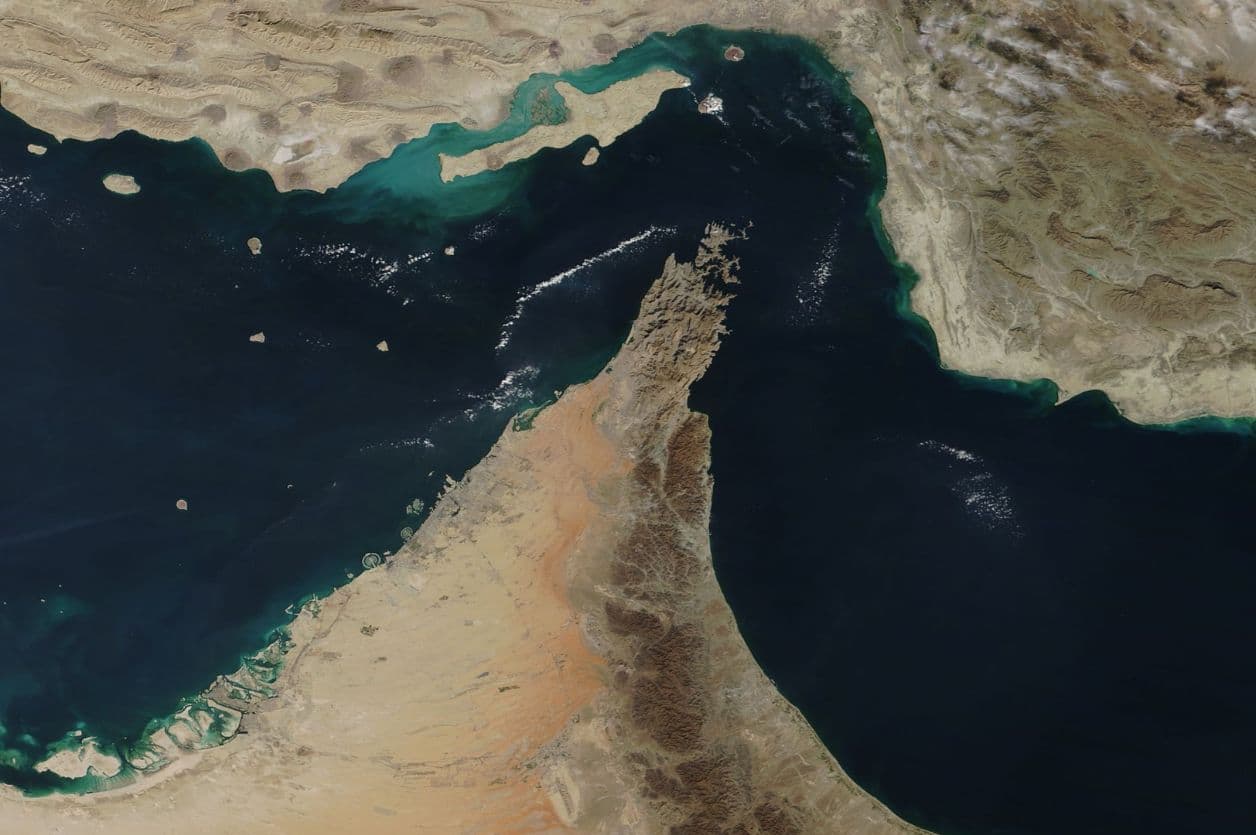
The rejected proposal places the Strait of Hormuz at the center of bargaining between Washington and Tehran. Iran is treating renewed commercial passage as contingent on sanctions, financial, and military concessions, while the United States has rejected that package as too costly and insufficiently credible. This leaves neither side with an obvious interim arrangement that can restore normal shipping while postponing broader disagreements over the war and Iran's nuclear program. The immediate result is a continuation of uncertainty rather than a clear movement toward either settlement or de-escalation.
The market response reflects the significance of even partial disruption at Hormuz. The increase in weekly transit numbers suggests that some vessels are still moving through the strait, but the comparison with prewar traffic shows that commercial activity remains severely constrained. Oil prices are therefore responding not simply to a formal closure, but to the prospect that shipping will remain unreliable and exposed to further attack. Sustained disruption could increase costs for oil purchasers, shippers, insurers, and firms dependent on Gulf energy exports, even if some traffic continues.
Trump's expectation of renewed talks creates a narrow diplomatic opening, but it does not resolve the central sequencing dispute. Tehran's public position is that compliance with its conditions must precede reopening the strait, whereas Washington has indicated that it will not grant broad concessions simply to resume negotiations. This mismatch raises the risk that talks, if they occur, will become a channel for testing positions rather than producing an immediate maritime arrangement. The prospect of further US air strikes, which Trump has raised publicly, also increases the consequences of diplomatic failure.
The most consequential indicators are whether indirect talks materialize, whether either side modifies its stated conditions, and whether vessel movements recover toward prewar levels. A revised Iranian offer that separates shipping access from the larger sanctions and nuclear questions could create room for a limited arrangement, though no such change has been announced. Conversely, continued low transit levels, further vessel attacks, or renewed strikes would reinforce the perception that Hormuz is becoming a sustained coercive pressure point rather than a negotiable element of a broader settlement.