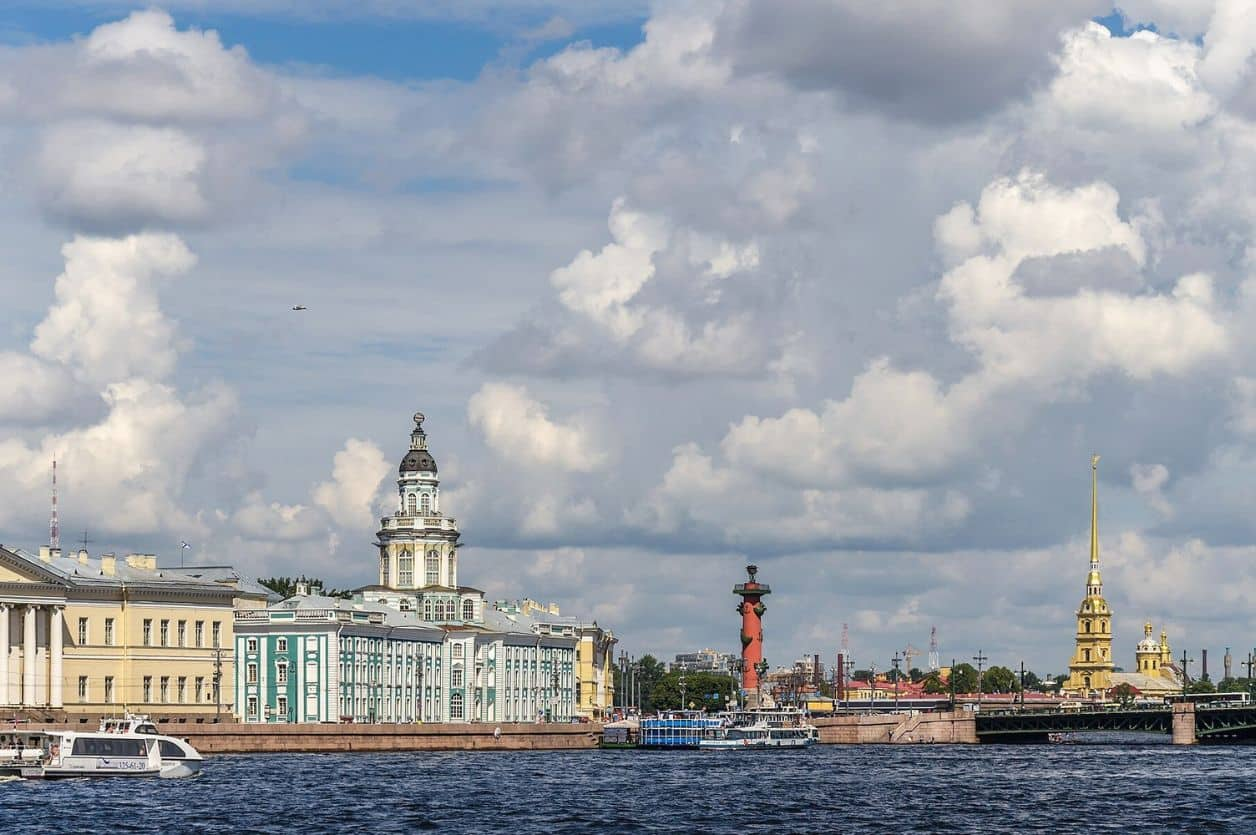
The attack demonstrates that Ukraine can still impose disruption on a major Russian city far from the most active front lines. Strikes on an oil terminal, depot, airport, data center, and logistics facility created simultaneous demands on Russian air defenses, emergency services, transport operations, and power networks. The operational effect on fuel exports or refinery-related activity remains uncertain, because Russian authorities had not provided verified damage assessments or restoration timelines. Still, the incident shows that Russia's defensive task extends beyond protecting military sites to safeguarding commercial and urban infrastructure.
Energy infrastructure has become a central point of leverage and contention in the war. Ukraine has characterized its attacks on Russian oil facilities as an effort to constrain revenue supporting Moscow's military campaign, while Russia has continued large-scale strikes against Ukrainian energy assets. The absence of publicly defined terms for the announced energy ceasefire permitted each side to accuse the other of noncompliance. This weakens the arrangement's value as a confidence-building measure and makes future restraint less likely unless renewed understanding establishes clear target definitions, reciprocal obligations, and a way to assess violations.
The strike also exposes a growing tension between Ukraine's military approach and US diplomatic pressure. Kyiv faces an incentive to maintain pressure on Russian infrastructure while it argues that Moscow has not curbed attacks on Ukraine's energy system. At the same time, Trump's criticism of the strikes and suspension of planned sanctions reduce certainty about how far Washington will support that approach. This does not establish a break in US-Ukraine cooperation, particularly as Zelenskyy said intelligence sharing had resumed, but it raises the political cost to Kyiv of pursuing energy strikes during negotiations.
For policymakers and commercial actors, the immediate issue is whether this becomes a sustained campaign against northern Russian energy and logistics nodes rather than a single high-volume raid. Continued disruptions at St. Petersburg's oil, port, aviation, data, or distribution infrastructure could raise operational and insurance risk even without lasting physical damage. The most useful indicators will be the duration of the fires and outages, whether the affected oil facilities resume normal activity, the scale and geographic reach of follow-on drone attacks, and whether Russia and Ukraine adopt any verifiable limits on energy targeting.