
Ukraine's Drone Surge Tests Russian Air Defenses

Aug 18 / Steven A. Smith, PhD
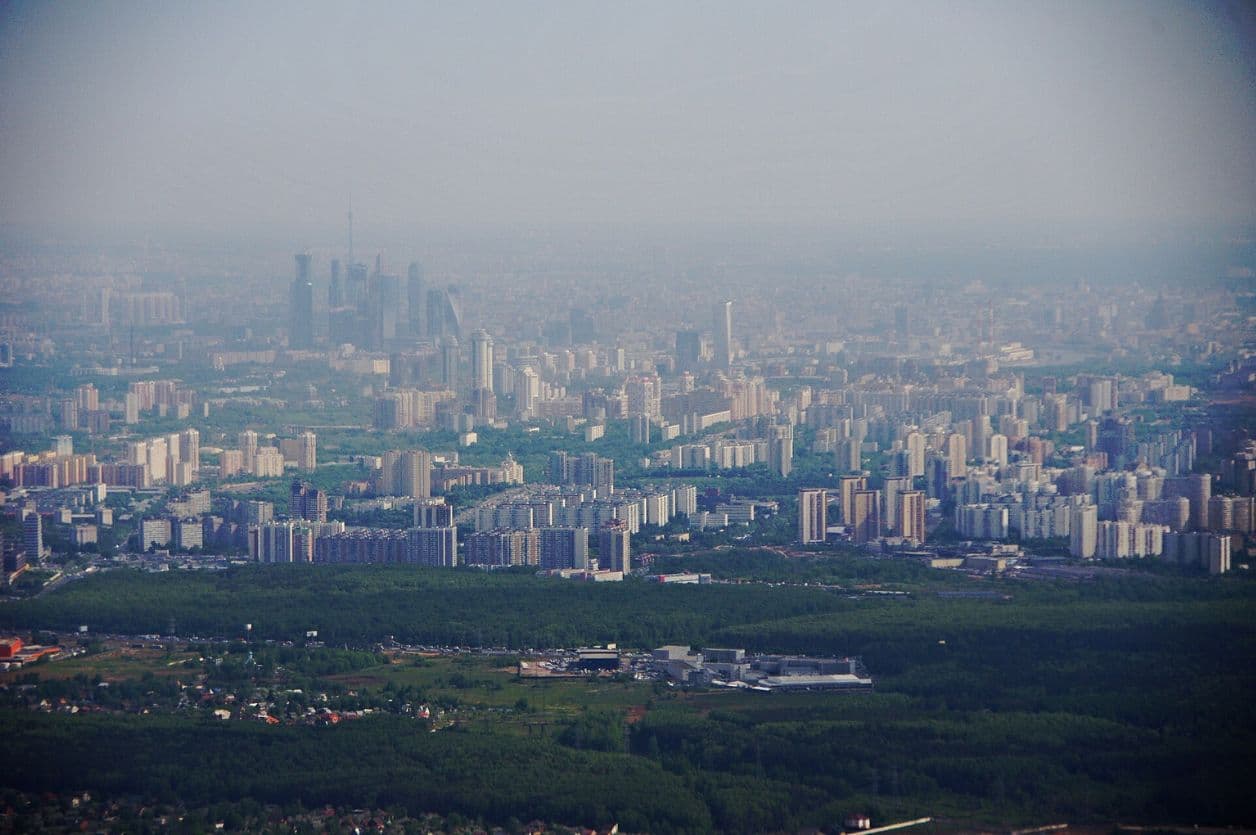
City of Moscow, Russia, May 2014. Photo credit: Artem Svetlov

Intelligence Summary

Ukraine carried out a large overnight drone attack toward the Moscow region as part of its expanding long-range campaign against targets inside Russia. Moscow Mayor Sergei Sobyanin said that 600 drones flew toward the region between Saturday evening and 6:30 a.m. Sunday, and 201 were destroyed over the region. Russian officials reported six people were killed in the attacks, including five in Rostov in southwestern Russia and one in the Moscow region. Sobyanin also reported three injuries within Moscow's MKAD ring road. The scale of the attack was not independently confirmed.


Ukrainian long-range strikes have increasingly targeted military, industrial, and storage facilities far from the front line. Ukrainian media reported that the latest operation included another warehouse owned by online retailer Wildberries and industrial facilities in several Moscow-region cities, though these specific targets were not independently verified. Russia simultaneously maintained strikes across Ukraine. Ukrainian officials said Russian missile and drone attacks killed at least five people: two in Kryvyi Rih, one in Sumy, and two in the Zaporizhzhia region. President Volodymyr Zelenskyy said the Kryvyi Rih strike injured 14 people, while Ukrainian authorities described residential and civilian infrastructure as recurring targets of Russian ballistic missile attacks.


Ukraine's military intelligence service stated that North Korea has delivered 148 KN-23 and KN-24 ballistic missiles since 2025 and that a North Korean missile unit may deploy to Russia's Voronezh region with up to 120 missiles. These claims remain unconfirmed. The missiles are described as similar to Russia’s Iskander systems but with heavier payloads, longer range, and lower accuracy. Ukrainian officials say the missiles are difficult to intercept and that Patriot interceptors are in short supply.

Why it Matters

The latest attacks suggest that the war's long-range contest is becoming more consequential. Ukraine's ability to send large numbers of drones toward the Moscow region imposes air-defense, warning, and civil-protection demands on Russia far from combat zones. Even when many drones are intercepted, the need to defend political, industrial, transport, and population centers can complicate Russia's allocation of air-defense resources. Conversely, Russia's continuing missile strikes across Ukraine show that Ukraine remains exposed to attacks on cities and civilian infrastructure despite its growing capacity to strike Russian territory.


The exchange also illustrates the different military pressures facing each side. Ukraine appears to be using drones to extend its reach against a wider set of targets, including facilities associated with industry and logistics. Russia’s ballistic missiles present a different problem because Ukraine relies heavily on scarce Patriot interceptors to counter them. The resulting pressure could affect protection of civilian areas and decisions about which military and infrastructure targets receive priority coverage.


North Korean missile support could help Russia sustain its long-range campaign against Ukraine. Additional KN-23 and KN-24 deliveries would give Moscow another source of ballistic weapons and could force Ukraine to consume scarce Patriot interceptors. The strategic effect will depend less on the announced number of missiles than on delivery rates, launch frequency, reliability, and Ukraine’s ability to replenish its defenses. Confirmation of a North Korean missile unit in Russia would indicate deeper operational cooperation between the two allies.

Stay Informed. Stay Ahead.

The global landscape changes daily, don't get left behind.
Thank you!