UN Sanctions on Iran Reinstated, Straining Diplomacy and Security
Intelligence Summary
On September 28, 2025, sweeping United Nations sanctions were automatically reinstated on Iran under the “snapback” mechanism of the 2015 Joint Comprehensive Plan of Action (JCPOA), following a 30-day grace period triggered by the United Kingdom, France, and Germany. These sanctions, which had been lifted in 2015, were reimposed due to accusations that Iran had repeatedly breached its nuclear commitments, including producing excessive quantities of enriched uranium, denying access to International Atomic Energy Agency (IAEA) inspectors, and refusing to engage in direct negotiations with the United States.
The sanctions package includes a conventional arms embargo, restrictions on ballistic missile development, travel bans and asset freezes on designated Iranian officials, and prohibitions on sensitive nuclear-related trade. The European Union confirmed that it had reinstated parallel sanctions, including freezing the assets of the Central Bank of Iran and other financial institutions, banning the purchase and transport of Iranian crude oil, and prohibiting the sale of gold and certain naval equipment to Tehran.
Iranian President Masoud Pezeshkian denounced the sanctions as unfair, illegal, and unjust, warning that they jeopardized ongoing negotiations and could jeopardize negotiations surrounding Iran’s participation in the Non-Proliferation Treaty. He rejected a U.S. proposal to hand over Iran’s stockpile of enriched uranium in exchange for a three-month sanctions exemption. Iranian Foreign Minister Abbas Araghchi also dismissed the snapback as unlawful and invalid, asserting that neither Iran nor other states were legally obliged to comply.
The sanctions were triggered after Iran suspended IAEA inspections of its nuclear facilities in June 2025, following Israeli and U.S. airstrikes on Iranian nuclear sites and military bases. Although inspections have since resumed, European officials argued that Iran had failed to provide a full accounting of its enriched uranium stockpile or restore full cooperation with the IAEA.
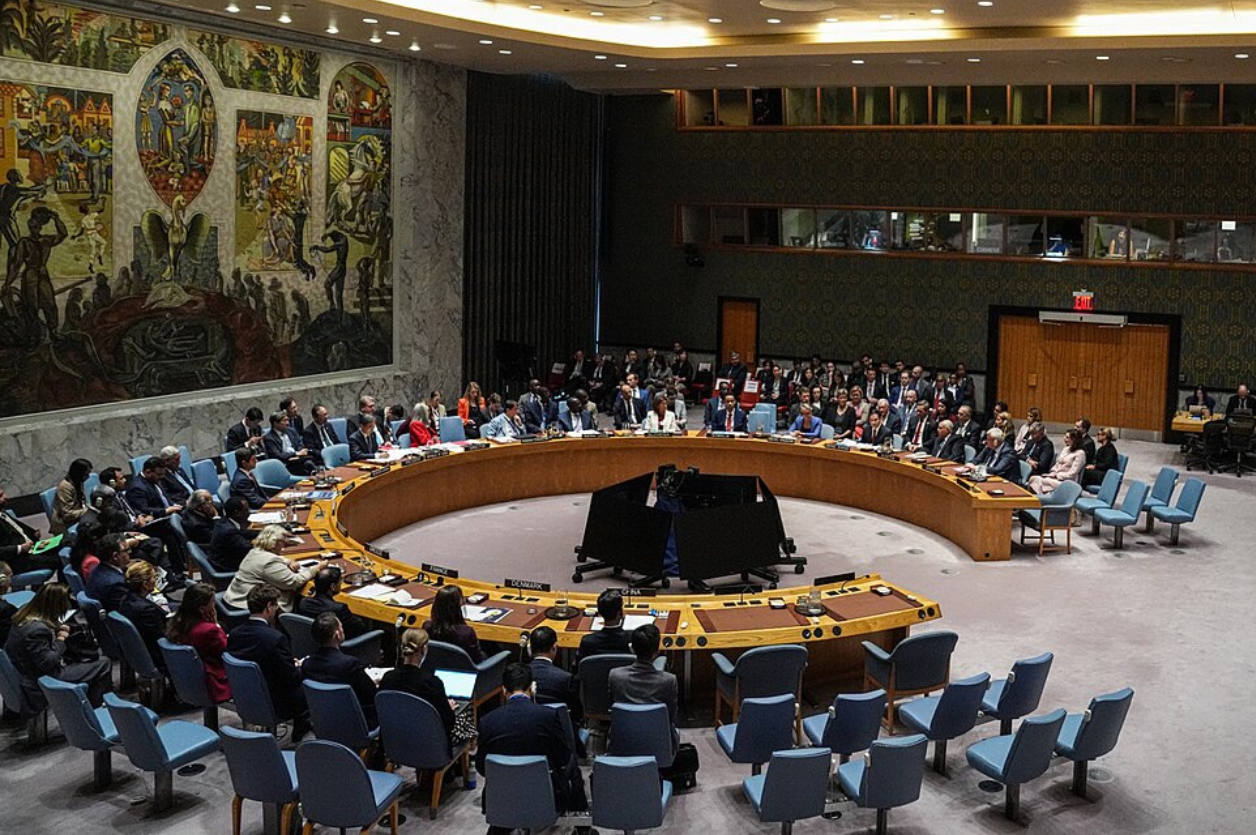
Russia and China opposed the snapback, attempting unsuccessfully to secure a six-month extension of sanctions relief for Iran at the UN Security Council. Moscow accused the European powers of bypassing the JCPOA’s dispute-resolution mechanism and described the move as destabilizing.
The reinstatement of sanctions coincided with a wave of executions in Iran targeting individuals accused of spying for Israel. On September 29, 2025, Iran executed Bahman Choobiasl, described by Iranian authorities as one of the most important Mossad operatives uncovered in the country. Choobiasl was accused of working on sensitive telecommunications projects, attempting to breach government data centers, and tracking the import routes of electronic equipment. His execution was the tenth since the June war with Israel and the United States, during which Israeli airstrikes killed at least 1,100 people in Iran, targeting senior generals, nuclear scientists, and civilians.
Iran’s judiciary has carried out more than 1,000 executions in 2025, according to human rights groups, with many linked to espionage charges or domestic unrest. UN human rights experts condemned the scale of executions, describing them as a grave violation of the right to life.
Israel welcomed the reinstatement of sanctions, calling it a major development in preventing Iran from becoming a nuclear power. European leaders emphasized that the sanctions were not the end of diplomacy and urged Iran to refrain from further escalation. However, Iranian officials warned that any action undermining the rights of its people would face a firm response.
Why it Matters
The snapback of UN and EU sanctions on Iran marks a sharp escalation in the long-running confrontation over Tehran’s nuclear program, with implications for global powers, regional security, and the global economy. The sanctions reimposition demonstrates the ability of European powers to act collectively and independently of U.S. leadership, while also highlighting the deepening divide between Western states on one side and Russia and China on the other. Moscow and Beijing’s opposition highlights the fault lines shaping the future of nonproliferation regimes, as both seek to shield Iran from Western pressure while challenging the legitimacy of Western-led enforcement.
Strategically, the sanctions reintroduce a comprehensive embargo on Iran’s arms trade, oil exports, and financial system, deepening the country’s isolation from global markets. This threatens Iran’s already fragile economy and adds new volatility to energy markets. The EU’s ban on Iranian crude oil purchases and freeze of the Central Bank’s assets directly target Tehran’s primary revenue streams. Given Iran’s role as a significant oil producer, these measures could tighten global supply at a time when energy markets are already strained by conflicts in Ukraine and the Middle East.
The sanctions also have direct implications for military escalation and deterrence. By reviving restrictions on ballistic missile development and nuclear-related trade, the measures aim to constrain Iran’s ability to advance its strategic weapons programs. However, Iran’s leadership has signaled that it may respond by accelerating enrichment activities or jeopardize negotiations regarding the Non-Proliferation Treaty. Such steps would heighten the risk of a regional arms race, particularly as Israel has already demonstrated its willingness to conduct preemptive strikes on Iranian nuclear facilities.
The wave of executions targeting alleged Israeli spies illustrates the parallel shadow war between Iran and Israel, which has increasingly spilled into open conflict. The execution of Bahman Choobiasl, accused of working on telecommunications and data infrastructure, highlights the centrality of cyber and intelligence operations in this confrontation. By targeting individuals allegedly linked to Mossad, Iran is signaling both its internal security capabilities and its determination to deter further infiltration. However, the scale of executions, exceeding 1,000 in 2025, risks fueling domestic unrest and international condemnation, further isolating Tehran diplomatically.
The sanctions also carry significant implications for diplomacy. European leaders have stressed that the snapback is not the end of negotiations, but Iran’s rejection of U.S. proposals and its insistence on security guarantees against Israeli attacks suggest that the diplomatic space is narrowing. The failure of talks on the sidelines of the UN General Assembly underscores the difficulty of reconciling Western demands for transparency with Iran’s security concerns. The invocation of Chapter VII of the UN Charter, which frames Iran as a threat to international peace and security, further raises the stakes by opening the door to potential enforcement measures beyond economic sanctions.
For the United States, analysts characterize the sanctions as reinforcing a strategy of maximum pressure without formally declaring regime change as an objective. Analysts note that while Washington may not yet be committed to overthrowing the Iranian government, the combination of sanctions, covert operations, and diplomatic isolation is designed to weaken Tehran’s capacity to project power regionally. This approach risks strengthening hardliners within Iran, who may view external pressure as validation of their resistance.
The snapback of sanctions on Iran is not merely a technical enforcement of the JCPOA but a pivotal moment in the broader contest between Western powers and Iran, with Russia and China positioned as counterweights. It intensifies the risk of military escalation, exacerbates economic hardship within Iran, and narrows the prospects for diplomacy, while simultaneously reinforcing Israel’s campaign to prevent Iran from achieving nuclear weapons capability. The convergence of sanctions, covert warfare, and open conflict point to the fragility of the regional security environment and the potential for wider instability.
Key Actors
- Iran
- United Kingdom, France, and Germany
- European Union
- United Nations Security Council
- Israel
- Russia
- China