
Deadly ICE Encounter Triggers Protests, Lawsuits, and Bipartisan Alarm
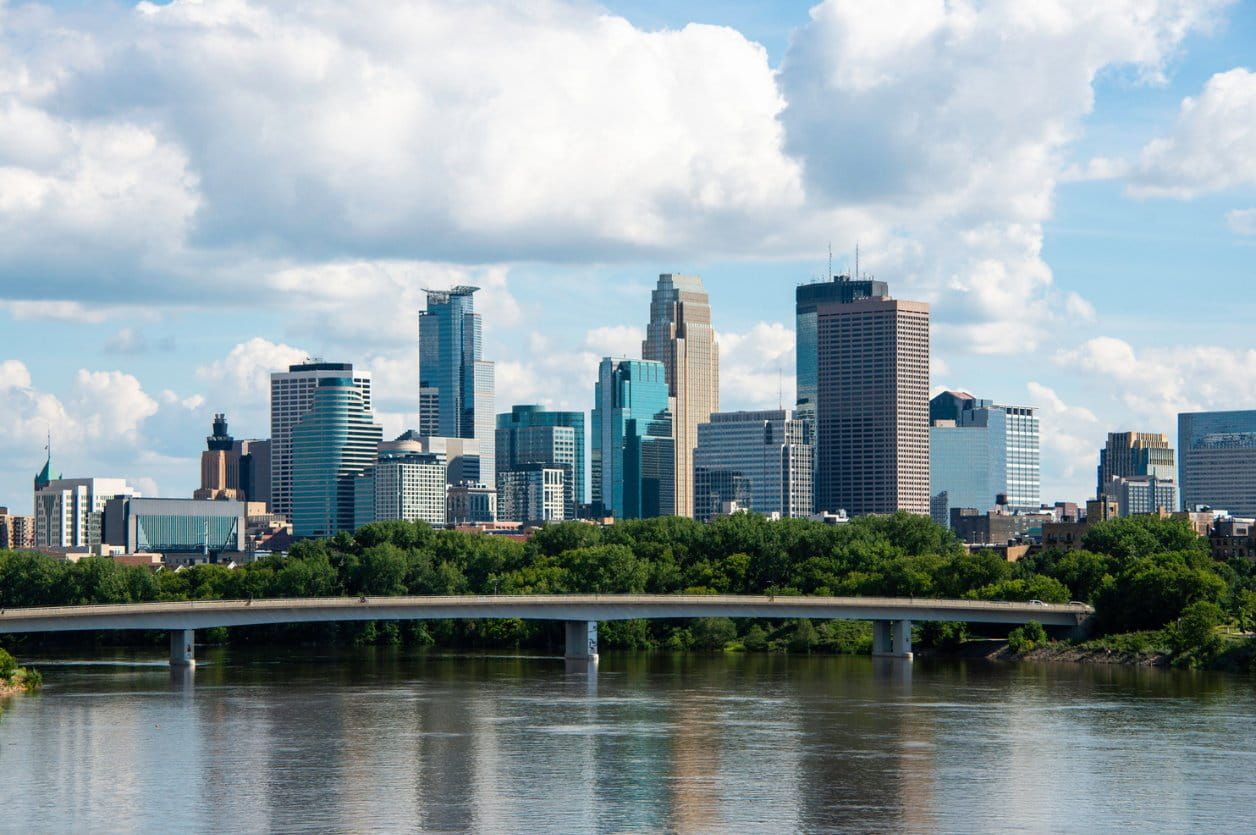
Photo credit: iStockPhoto.com/dosecreative
Intelligence Summary
On January 24, 2026, federal immigration agents fatally shot 37-year-old intensive care nurse Alex Jeffrey Pretti during an anti-immigration protest in Minneapolis, Minnesota. Pretti, a U.S. citizen and Department of Veterans Affairs employee, was participating in demonstrations that had erupted after the earlier January 7 killing of Renee Good, another Minneapolis resident, by an Immigration and Customs Enforcement (ICE) officer. Video footage verified by Reuters and other outlets showed Pretti holding a mobile phone, not a firearm, as he attempted to assist protesters who had been pushed to the ground by federal agents. The footage captured agents pepper-spraying Pretti, forcing him to the ground, and then shooting him multiple times.
The Department of Homeland Security (DHS) initially claimed that Pretti had approached agents with a 9mm handgun and resisted arrest, but multiple videos contradicted this account, showing that an agent had already confiscated his firearm before the shooting. Minneapolis Police Chief Brian O’Hara stated that Pretti was a lawful gun owner with no criminal record beyond minor traffic violations and that no evidence supported claims he brandished a weapon. The Trump administration maintained that agents acted defensively, while local officials and witnesses accused federal authorities of excessive force and obstruction of justice.
The incident triggered widespread protests across Minneapolis and other U.S. cities, with demonstrators condemning the federal immigration crackdown and the deployment of thousands of agents to Minnesota since December 2025. Governor Tim Walz demanded the immediate withdrawal of federal forces, accusing the administration of endangering civilians. Federal authorities refused to allow state participation in the investigation, prompting Minnesota and the cities of Minneapolis and St. Paul to sue the DHS for obstructing justice. A federal judge subsequently ordered the administration not to destroy or alter evidence related to the shooting.
The political fallout was immediate. Prominent Republicans, including Senators Bill Cassidy, Thom Tillis, Susan Collins, and Lisa Murkowski, joined Democrats in calling for a bipartisan investigation into the killings. Cassidy described the incident as deeply disturbing and warned that the credibility of ICE and DHS was at stake. Murkowski and Collins emphasized that federal agents did not have unlimited authority in law enforcement operations. Even Trump ally Pete Ricketts urged transparency, while Oklahoma Governor Kevin Stitt questioned the administration’s endgame and called for de-escalation.
The Trump administration and its allies responded by spreading unverified claims that Pretti was a domestic terrorist who attacked agents, narratives amplified by right-wing influencers on social media. DHS Secretary Kristi Noem and Border Patrol Commander Greg Bovino asserted that Pretti had attempted to massacre law enforcement, while Deputy Chief of Staff Stephen Miller labeled him an assassin. These claims were contradicted by video evidence and statements from local officials.
The unrest deepened as thousands of residents formed neighborhood patrols to monitor ICE activity and protect vulnerable communities. Protests drew tens of thousands of participants, including veterans and civil rights advocates, who accused the administration of authoritarian tactics. Some residents expressed fears that the federal government sought to provoke violence to justify martial law.
Internationally, the events drew attention from foreign governments and media. Iranian state outlets characterized the unrest as evidence of U.S. hypocrisy on human rights, while European commentators described the shootings as a watershed moment for American democracy. The situation escalated into a constitutional confrontation between state and federal authorities, with Minnesota’s National Guard placed on alert and the Pentagon reportedly ordering troops to standby in case of further violence.
Why it Matters
The Minneapolis shootings and subsequent unrest represent a convergence of domestic governance, civil-military relations, and international perception that carries significant geopolitical implications. The deployment of thousands of federal agents into a U.S. state without local consent underscores a breakdown in federal-state coordination and raises questions about the limits of executive power. The refusal of federal authorities to allow state participation in investigations and the spread of misinformation by senior officials erode institutional trust, a critical component of national stability.
From a strategic perspective, the unrest weakens U.S. credibility abroad at a time of heightened global competition. The imagery of federal agents killing U.S. citizens can undermine Washington’s perceived moral authority in promoting democracy and human rights. The portrayal of the United States as internally divided and repressive provides value to rival powers seeking to challenge U.S. influence in multilateral forums.
Domestically, the crisis exposes fractures within the Republican Party and the broader U.S. political system. Bipartisan calls for investigation indicate that even traditional allies of the administration are concerned about the erosion of rule-of-law norms. This internal dissent could constrain the administration’s ability to pursue foreign policy objectives requiring congressional support.
The militarization of immigration enforcement also has implications for civil-military relations. The activation of the Minnesota National Guard and the Pentagon’s standby order suggest that the federal government anticipates potential armed confrontation between state and federal forces. Such a scenario would test the resilience of U.S. constitutional mechanisms and could trigger broader instability if mirrored in other states.
The information warfare dimension is equally significant. The rapid dissemination of false narratives by senior officials and social media influencers demonstrates how disinformation can be weaponized to shape public perception and delegitimize dissent. This undermines the credibility of U.S. information operations abroad, where Washington has long criticized similar tactics by other governments.
The unrest also intersects with global migration politics. The Trump administration’s aggressive deportation campaign and the resulting domestic backlash may influence international cooperation on migration management, refugee resettlement, and border security. Allies in Europe and Latin America observing the U.S. response may reassess their own engagement with Washington on human rights and law enforcement cooperation.
Key Actors
- United States (Federal Government and State of Minnesota)
- Department of Homeland Security (DHS) and Immigration and Customs Enforcement (ICE)
- U.S. Border Patrol and Department of Justice
- Trump Administration and senior officials (Donald Trump, Kristi Noem, Stephen Miller)
- Minnesota Governor Tim Walz and local law enforcement
- U.S. Congress (bipartisan members calling for investigation)
- International observers and foreign governments (notably Iran and European states)
Stay Informed. Stay Ahead.