U.S. Sanctions Rwanda While Iran War Triggers Unrest Across Asia
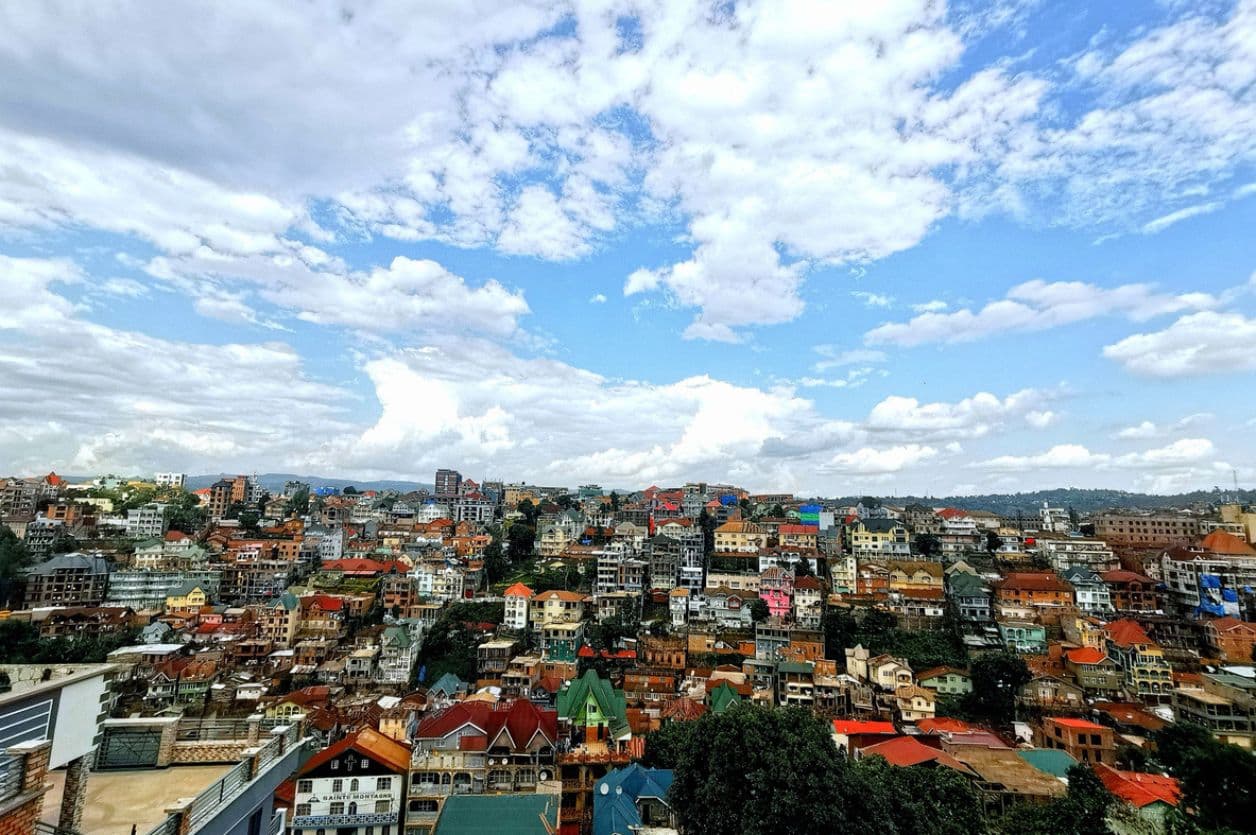
Bakavu, Photo credit: iStockPhoto.com/Alif Buterinote
Intelligence Summary
The United States announced a new round of sanctions targeting Rwanda’s military and four senior commanders for their alleged involvement in supporting the March 23 Movement (M23) rebel group in eastern Democratic Republic of the Congo (DRC). The sanctions were imposed by the U.S. Department of the Treasury and State Department on March 3, 2026, following accusations that the Rwanda Defence Force (RDF) had trained, armed, and fought alongside M23 rebels in violation of a U.S.-brokered peace agreement signed in December 2025 between Congolese President Félix Tshisekedi and Rwandan President Paul Kagame in Washington. The agreement, known as the Washington Accords, was hosted by U.S. President Donald Trump, who described it as a historic step toward ending decades of conflict in the mineral-rich region.
The U.S. Treasury Department stated that the RDF had introduced advanced military equipment into eastern DRC, including GPS jamming systems, air defense assets, and drones, and that thousands of Rwandan troops were deployed across the region to support M23’s territorial control. Treasury Secretary Scott Bessent demanded the immediate withdrawal of Rwandan troops, weapons, and equipment from Congolese territory. The sanctions freeze any U.S.-based assets belonging to the RDF or the four named officers - Vincent Nyakarundi, Ruki Karusisi, Mubarakh Muganga, and Stanislas Gashugi - and prohibit U.S. entities from conducting financial transactions with them.
The U.S. State Department emphasized that M23, already under U.S. and U.N. sanctions since 2013, was responsible for severe human rights abuses, including summary executions and violence against civilians. The Congolese government welcomed the sanctions as a strong signal of support for its sovereignty and territorial integrity. Rwanda rejected the allegations, calling the sanctions unjust and claiming they distorted the facts of the conflict. Kigali argued that its military presence in eastern DRC was defensive, aimed at countering armed groups threatening Rwanda’s security, and accused Kinshasa of violating the peace deal through indiscriminate drone strikes and ground offensives.
The sanctions followed renewed fighting in eastern DRC, where M23 captured the strategic city of Uvira near the Burundian border shortly after the Washington Accords were signed. Although the group later withdrew under U.S. pressure, it continues to hold key cities such as Goma and Bukavu. The U.S. Treasury warned that M23’s continued presence near Burundi risked escalating the conflict into a broader regional war. The U.S. administration linked the peace process to securing access to DRC’s critical mineral reserves, including copper and cobalt, essential for global battery and electric vehicle production.
In South Asia, India’s foreign policy alignment and domestic reactions reflected shifting alliances amid the broader Middle East conflict. Indian Prime Minister Narendra Modi expressed deep concern over the escalating war between the U.S.-Israel coalition and Iran, urging Israeli Prime Minister Benjamin Netanyahu to pursue an early cessation of hostilities and emphasizing civilian protection. Modi also condemned attacks on the United Arab Emirates and reaffirmed solidarity with Gulf partners. India’s opposition Congress Party criticized Modi’s recent visit to Israel, arguing that it coincided with the onset of the U.S.-Israeli offensive against Iran and represented a departure from India’s traditional non-aligned stance.
Domestically, India experienced Shiite protests in several cities, including Srinagar and Lucknow, following the killing of Iran’s Supreme Leader Ayatollah Ali Khamenei. Authorities imposed restrictions on gatherings and internet access in Kashmir to prevent unrest. Meanwhile, Pakistan faced widespread violence linked to the same event. The government deployed the military and imposed a three-day curfew in Gilgit, Skardu, and Shigar after at least 24 people were killed in pro-Iran demonstrations. Protesters attacked United Nations offices in Skardu, burned a police station, and clashed with security forces in Karachi and Islamabad, prompting heightened security around U.S. diplomatic missions.
The United Nations confirmed that its Military Observer Group field station in Skardu was vandalized during the unrest, and spokesperson Stéphane Dujarric stated that the safety of UN personnel remained a top priority. Pakistani authorities warned that the situation could deteriorate further amid ongoing border clashes with Afghanistan, which had launched retaliatory strikes following Pakistani air operations the previous week.
Why it Matters
The U.S. sanctions on Rwanda and the concurrent unrest in South and Central Asia illustrate how the Middle East war has accelerated global realignments and exposed the fragility of regional security architectures. The sanctions mark a significant escalation in U.S. engagement in African conflicts, signaling Washington’s intent to enforce compliance with peace agreements tied to strategic resource access. By linking the Washington Accords to the stability of critical mineral supply chains, the U.S. has effectively integrated African security into its broader competition with China and Russia for control over essential materials used in advanced technologies. The targeting of Rwanda’s military leadership underscores a shift toward coercive economic tools as instruments of deterrence and influence in regions where direct military involvement is politically or logistically constrained.
Rwanda’s deployment of advanced military technologies such as drones and GPS jamming systems in eastern DRC demonstrates the diffusion of modern warfare capabilities into African conflicts. This development raises concerns about the militarization of resource zones and the potential for proxy dynamics involving external powers. The U.S. emphasis on immediate RDF withdrawal reflects fears that the conflict could destabilize the Great Lakes region, threatening cross-border trade routes and mineral exports critical to global supply chains. The sanctions also serve as a warning to other regional actors that violations of U.S.-brokered agreements will carry tangible economic and diplomatic costs.
In Asia, India’s diplomatic balancing act highlights the pressures facing middle powers amid intensifying great-power competition. Modi’s outreach to Israel and the UAE, coupled with calls for restraint, reflects India’s attempt to preserve strategic partnerships while managing domestic sensitivities linked to Iran. The opposition’s criticism of Modi’s alignment with the U.S.-Israel bloc underscores internal divisions over India’s foreign policy trajectory and its departure from traditional non-alignment. The domestic protests among Shiite communities reveal how transnational religious and political identities can translate into internal security challenges, particularly in regions like Kashmir where sectarian and geopolitical tensions intersect.
Pakistan’s violent unrest following Khamenei’s killing demonstrates the volatility of states with deep sectarian divides and fragile governance structures. The attacks on UN facilities and U.S. diplomatic missions indicate how external conflicts can rapidly inflame domestic grievances, forcing governments to deploy military force internally. The simultaneous border clashes with Afghanistan further complicate Pakistan’s security environment, suggesting that the Iran crisis has amplified existing regional fault lines.
Collectively, these developments reveal a pattern of sanctions, alignments, and unrest that extends the Middle East war’s impact into Africa and South Asia. The U.S. use of sanctions in Africa, India’s recalibration of alliances, and Pakistan’s internal instability all point to a global reordering driven by conflict spillover and strategic resource competition. The convergence of military, economic, and ideological dimensions across continents underscores the interconnected nature of modern geopolitical crises, where actions in one theater reverberate through multiple regions, reshaping alliances and testing the resilience of international institutions.
Key Actors
- United States
- Rwanda
- Democratic Republic of the Congo
- India
- Pakistan
- United Nations
- M23 rebel group
Stay Informed. Stay Ahead.