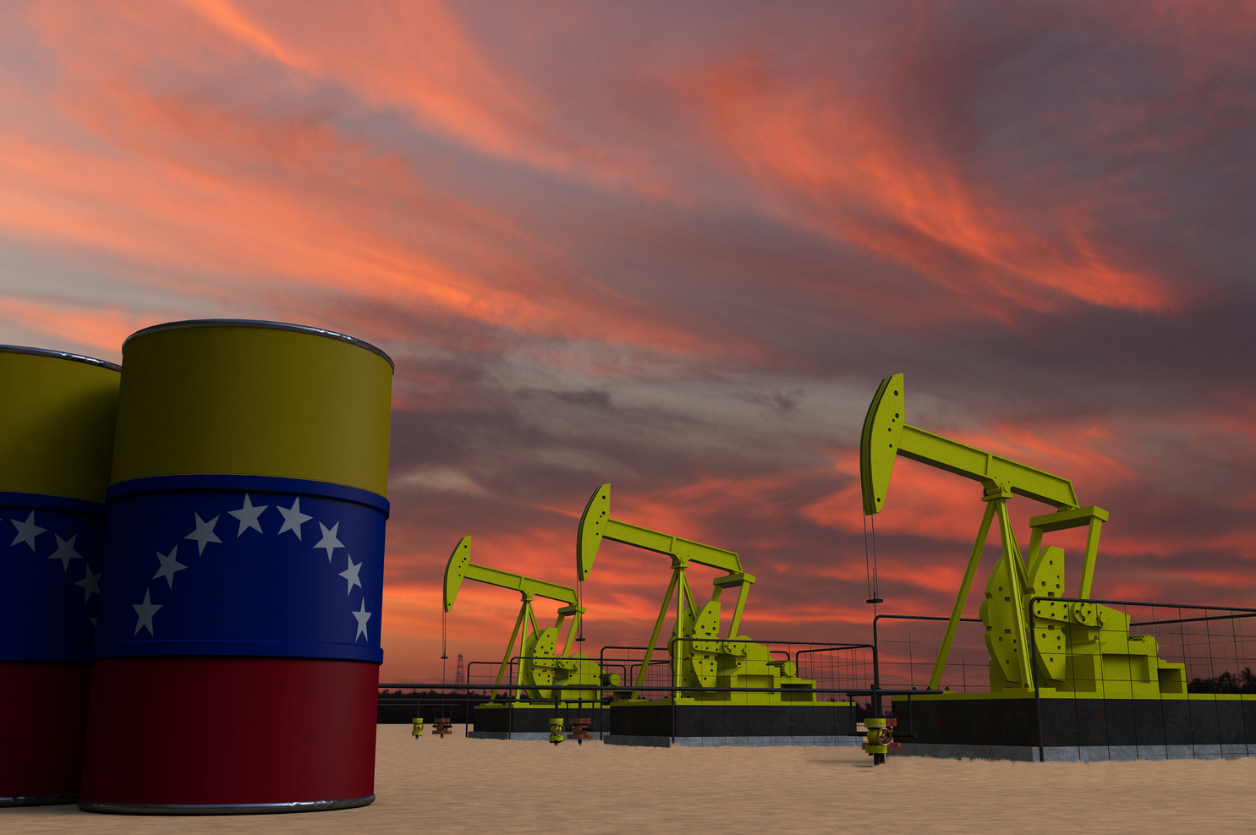
The U.S. intervention in Venezuela and subsequent moves to control its oil sector marks a major shift in global energy geopolitics. The combination of military intervention, diplomatic pressure, and energy policy initiatives position Washington to influence energy markets while testing the limits of international law and global market stability.
By positioning itself to influence access to the world’s largest oil reserves, Washington is signaling a renewed willingness to use energy assets as instruments of geopolitical leverage. This marks a departure from the post-Cold War emphasis on open, market-based energy trade that long supported U.S. global leadership.
Strategically, the move gives the United States a new lever in its competition with China and Russia. Venezuela had been a critical supplier of crude to China, and U.S. oversight of these flows would provide Washington with a tool to constrain Beijing’s access to energy resources. This could be used to pressure China in broader disputes over technology, trade, and security. Similarly, Russia’s condemnation of the intervention reflects concern that U.S. dominance in the Western Hemisphere’s energy sector could weaken Moscow’s influence in global oil markets.
The intervention also highlights the growing integration of energy policy with national security strategy. The simultaneous expansion of domestic uranium enrichment capacity demonstrates that Washington is pursuing a dual-track approach: securing fossil fuel leverage abroad while reinforcing nuclear energy independence at home. This diversification reduces vulnerability to foreign supply disruptions and strengthens the U.S. position in conventional and advanced energy technologies.
However, the risks are significant. If the U.S. miscalculates, it could disrupt global energy markets and weaken confidence in existing trade and investment norms. Such policy could alienate potential partners in Latin America and Europe, invite retaliatory measures from energy exporters, and undermine the legitimacy of U.S. leadership. The perception of resource exploitation could also fuel anti-American sentiment in the Global South, complicating future diplomatic and trade initiatives.
Domestically, the reentry of U.S. oil majors into Venezuela presents both opportunities and challenges. While companies like Chevron and ExxonMobil could benefit from new contracts, they would face substantial political and operational risks in a country still marked by instability and legal uncertainty. The need for over $100 billion in investment and years of reconstruction points to the long-term nature of any potential gains.
For global energy markets, the immediate impact on oil prices is limited due to existing oversupply, but the long-term implications are extensive. If Venezuela’s production eventually recovers under U.S. oversight, it could reshape supply chains, reduce OPEC’s influence, and alter the balance between traditional producers and emerging energy powers. The move also suggests to other resource-rich states that energy assets may once again become instruments of geopolitical coercion rather than purely economic commodities.
The U.S. intervention and efforts to control Venezuelan oil plays a massive role in the evolution of energy geopolitics. It intertwines military power, economic policy, and energy strategy in ways that could redefine global alignments. Whether this shift strengthens or undermines U.S. energy security will depend on whether Washington uses its new leverage to reinforce transparent markets and institutional stability or to pursue short-term dominance at the expense of international norms.