West Bank Settler Violence Tests Israel’s Accountability
Intelligence Summary
Israeli police said they arrested 10 suspects early October 19 in connection with violent incidents involving Israeli settlers in the occupied West Bank. Police cited suspected violence, violations of a closed military zone order, and illegal construction. The operation followed attacks on US photojournalist Heidi Levine and a visiting European diplomatic delegation during the Palestinian olive harvest. Israeli media reported that the Shin Bet domestic security service was involved in the investigation. An earlier police statement reported eight arrests, indicating that the number detained increased as the operation continued.
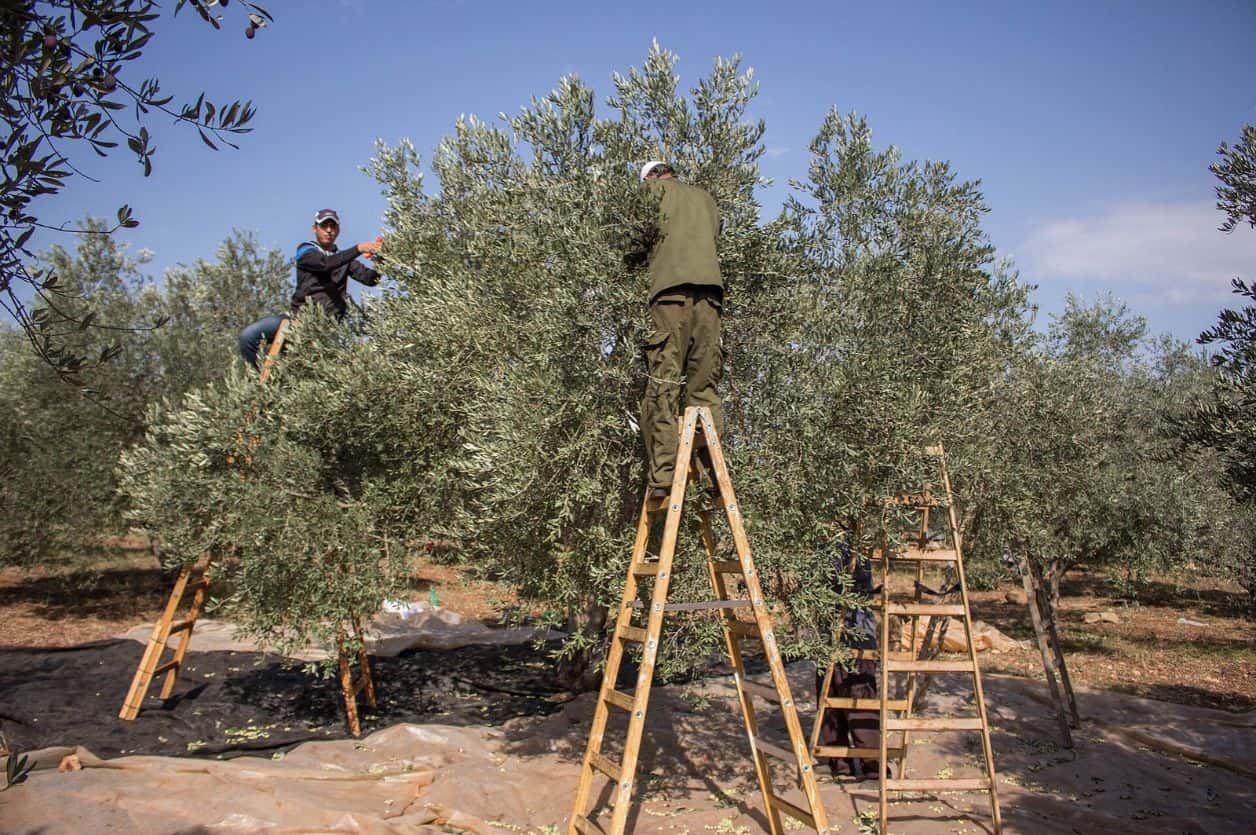
On October 17, masked settlers assaulted Levine while she covered Palestinian farmers harvesting olives in Abu Falah, near Ramallah. She sustained serious injuries, including broken ribs and vertebrae, and underwent hand surgery. The following day, masked settlers attacked a delegation near Taybeh that included diplomats from France, Belgium, and Poland, representatives of the Catholic Church, and a French mayor. The attackers damaged a Belgian diplomatic vehicle, and the French mayor said he was beaten.
The incidents prompted condemnation from the United States, the European Union, France, Belgium, Poland, and Canada. The EU called for full accountability, measures to protect Palestinians and journalists, and an end to settlement expansion. US Ambassador Mike Huckabee welcomed the arrests and called Levine's assault an act requiring prosecution. Israeli Foreign Minister Gideon Saar and the military condemned the attacks and attributed them to Israeli rioters. The Israeli military said no soldiers were present at the diplomatic incident, while police and military personnel subsequently entered the area to collect testimony and forensic material.
Prime Minister Benjamin Netanyahu also called violence against diplomats unacceptable, but said the delegation had entered a sensitive area without prior military coordination and described the facts of Levine's attack as unclear. That position differed in emphasis from the more direct condemnation issued by Saar and the military. The arrests occur amid a sharp rise in harvest-related settler violence. The UN humanitarian office recorded nearly 200 settler attacks associated with this year's olive harvest that caused casualties or property damage, exceeding the total reported for the previous harvest season.
Why It Matters
The attacks elevate settler violence from a primarily Palestinian security and humanitarian issue into an immediate diplomatic liability for Israel. Assaults on accredited European representatives and an American journalist bring foreign governments directly into contact with the insecurity affecting Palestinian communities during the olive harvest. This raises the political cost for European and US officials of treating such violence as an isolated local matter, particularly when their own nationals or personnel are targeted. The arrests give Israel an opportunity to demonstrate official separation from the perpetrators, but the diplomatic benefit will depend on whether investigations produce visible legal consequences.
The issue is principally one of state capacity and accountability rather than simply public condemnation. Israeli authorities have initiated an investigation, deployed police and forensic personnel, and detained suspects. Yet Yesh Din reported that only about 3 percent of Israeli police investigations into West Bank violence against Palestinians from 2005 through 2023 resulted in full or partial convictions, while more than 80 percent were closed because suspects were not identified or sufficient material was not gathered. That record may limit confidence among Palestinian communities, foreign observers, and diplomatic partners that the current arrests will alter behavior on the ground.
The differing official messages expose a constraint on Israel's response. Saar and the military characterized the attackers as rioters and condemned their conduct, whereas Netanyahu paired condemnation with questions about coordination by the diplomatic delegation and uncertainty over Levine's assault. The distinction matters because unambiguous official attribution can strengthen deterrence and reassure foreign partners, while contextualizing attacks risks being interpreted abroad as diluting accountability. Israel can therefore face pressure not only to investigate individual incidents but also to show that visits by diplomats, journalists, and harvest monitors can occur without requiring exceptional security arrangements.
The olive harvest is likely to remain a recurring test of this response. Attacks, damaged trees, stolen crops, and restrictions on access to land affect income for Palestinian families and create repeated settings in which activists, journalists, and foreign delegations may be present. If prosecutions or protective measures do not follow, further incidents could increase bilateral friction with European governments and complicate Israel's diplomatic position with Washington. Conversely, identifiable charges, convictions, and sustained protection of civilian access would provide stronger indications that the arrests represent more than a short-term response to international pressure.
Stay Informed. Stay Ahead.