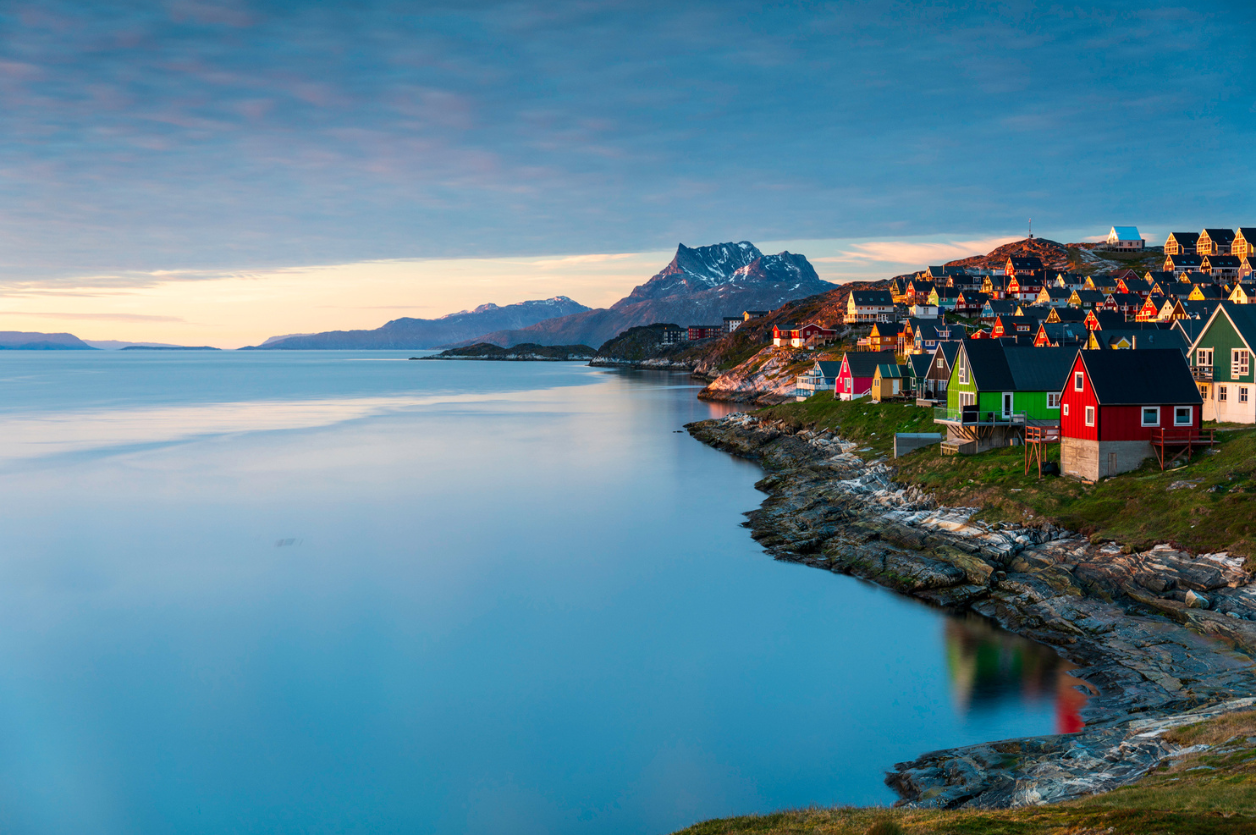
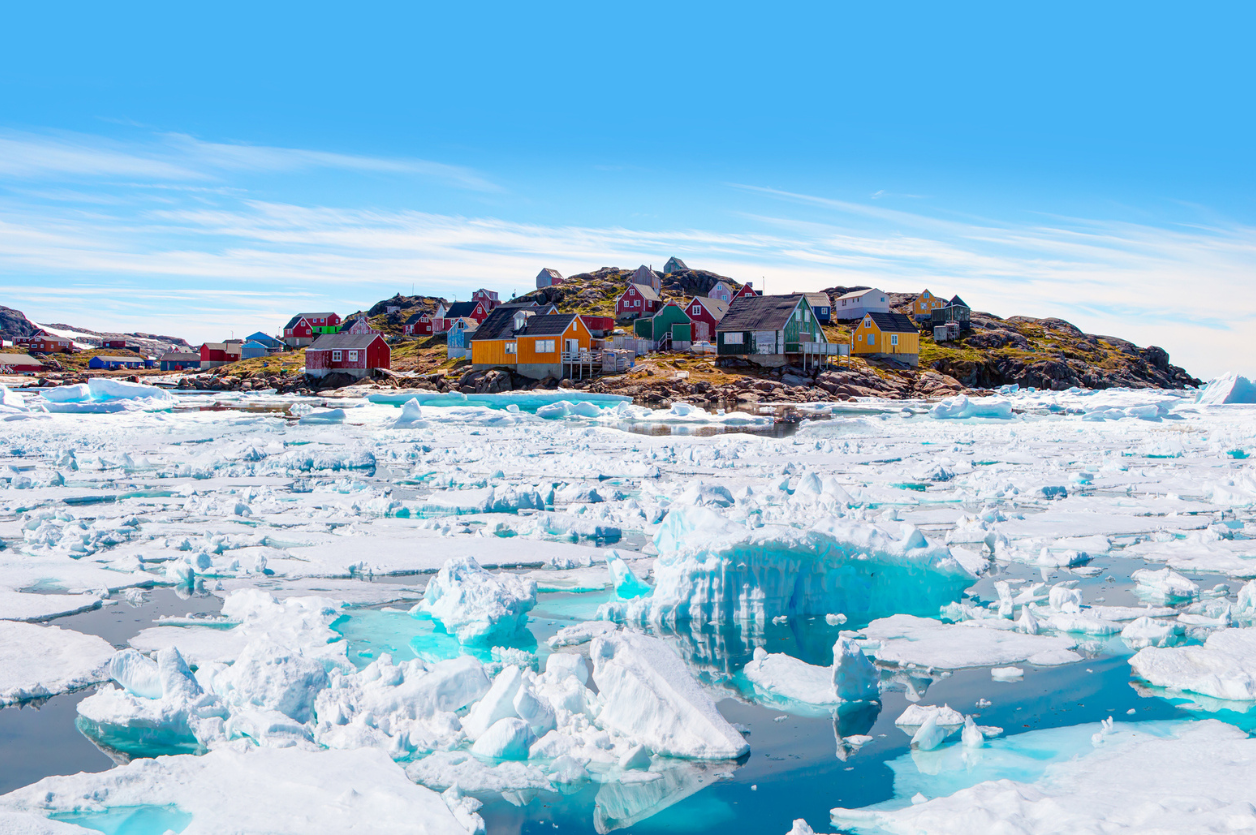
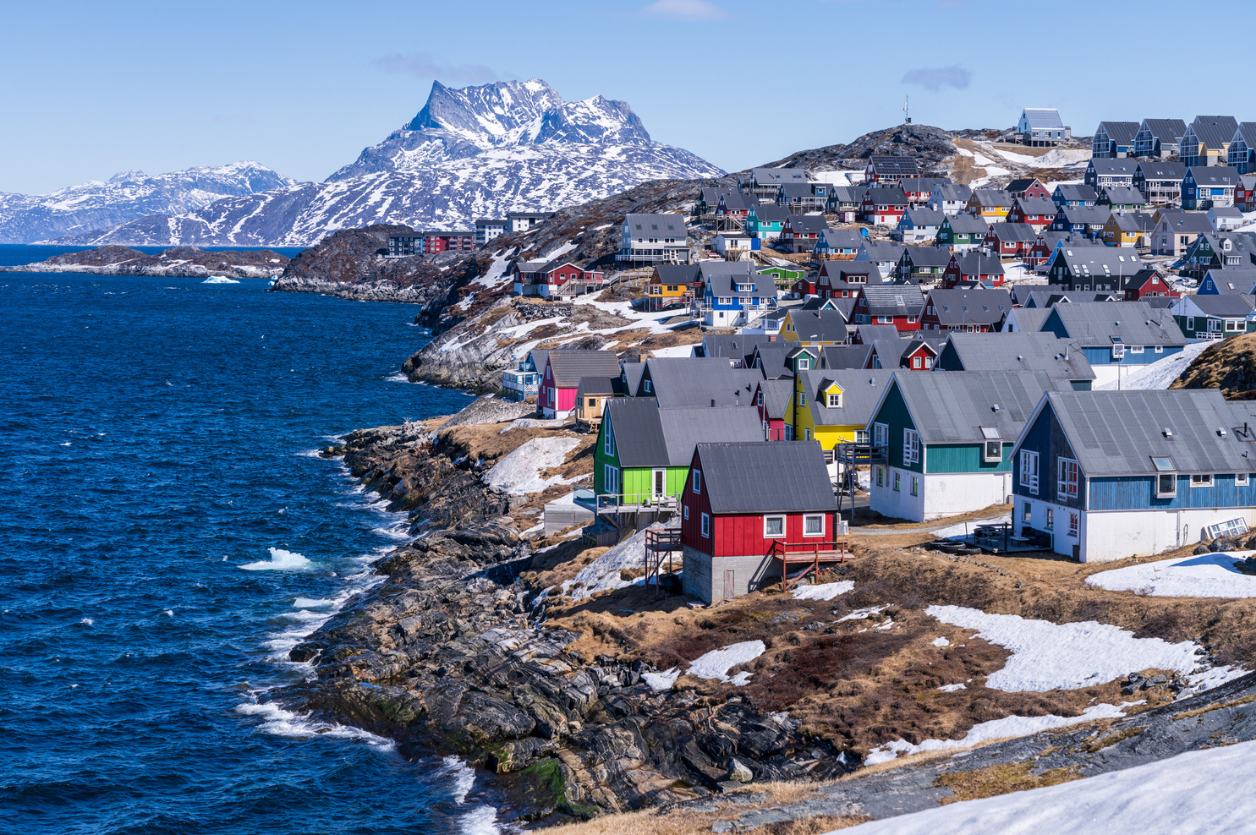
A major transatlantic crisis erupted after U.S. President Donald Trump announced a 10 percent tariff on imports from eight European nations - Denmark, Norway, Sweden, Finland, France, Germany, the Netherlands, and the United Kingdom - beginning February 1, with a planned increase to 25 percent by June 1 if Washington did not secure control of Greenland. Trump justified the move by claiming Greenland was essential to U.S. national security and hinted that force could be used if negotiations failed. The announcement followed a small Danish-led reconnaissance mission to Greenland involving troops from several European NATO members, which Trump interpreted as a provocation.
European leaders immediately condemned the tariffs as coercive and destabilizing. Danish Prime Minister Mette Frederiksen stated that Europe would not be blackmailed, while European Commission President Ursula von der Leyen reaffirmed the EU’s commitment to Greenland’s and Denmark’s sovereignty. British Prime Minister Keir Starmer, French President Emmanuel Macron, and German Chancellor Friedrich Merz each emphasized that tariffs on allies undermined NATO solidarity and transatlantic trust. Macron urged activation of the EU’s Anti-Coercion Instrument (ACI), a 2023 mechanism allowing retaliatory trade measures such as blocking U.S. market access and investment.
The European Council, led by President Antonio Costa, convened an emergency summit in Brussels to coordinate a unified response. EU ambassadors met on January 18, followed by plans for a leaders’ summit on January 22 to decide whether to trigger the ACI or revive a €93 billion retaliatory tariff package previously suspended under a 2025 trade deal. German industry groups warned that the tariffs would impose severe costs on European exporters and urged Brussels to respond collectively.
Denmark’s Foreign Minister Lars Løkke Rasmussen described the U.S. threats as endangering the world order and NATO’s future but insisted Copenhagen would pursue diplomacy, citing recent meetings with U.S. Secretary of State Marco Rubio and Vice President JD Vance. Norway’s Foreign Minister Espen Barth Eide reiterated that Arctic security must be managed collectively within NATO. NATO Secretary General Mark Rutte confirmed discussions with Trump and European leaders, emphasizing continued cooperation on Arctic defense.
Meanwhile, U.S. Treasury Secretary Scott Bessent defended the tariffs, arguing that Greenland’s integration into the U.S. was necessary for hemispheric security and warning Europe against retaliation. Trump’s statements on social media accused Denmark of failing to counter Russian threats near Greenland, asserting that the U.S. would act unilaterally if necessary.
Public protests erupted in Copenhagen and Nuuk, Greenland’s capital, where demonstrators opposed U.S. annexation plans. A Reuters/Ipsos poll cited by European media indicated that only 6 percent of Greenlanders and 17 percent of Americans supported U.S. control of the island.
By January 20, Denmark and Greenland had proposed a NATO surveillance mission on the island, discussed with NATO Secretary General Rutte and Greenlandic Foreign Minister Vivian Motzfeldt. The proposal aimed to reinforce collective defense and deter unilateral U.S. action. Former Danish Foreign Minister Jeppe Kofod warned that a U.S. seizure of Greenland would end NATO and trigger open conflict between the U.S. and Europe.
The European Union’s foreign policy chief Kaja Kallas reiterated that sovereignty was not negotiable and that Europe had a full range of tools to defend its interests. EU trade spokesman Olof Gill stated that the bloc sought engagement rather than escalation but was prepared to act if tariffs were imposed.